Dmitri Konsovsky
Actor
Born: December 16, 1907 in Moscow, Russian Empire Died: February 15, 1938 Active: 1926-1934 Birth Name: Dmitri Anatolyevich Konsovsky
About Dmitri Konsovsky
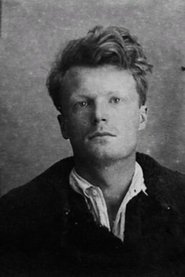
Dmitri Anatolyevich Konsovsky was a prominent Soviet film and stage actor whose promising career was tragically cut short by the Stalinist purges. Born into a family with artistic inclinations in Moscow, he was the elder brother of the legendary Soviet actor Aleksei Konsovsky. Dmitri graduated from the Vakhtangov Theatre Studio in 1930 and quickly became a rising star of the Soviet screen, known for his athletic build and romantic, heroic appearance. He was a leading actor at the Mezhrabpomfilm studio, where he collaborated with visionary directors like Vsevolod Pudovkin. His career reached its zenith in the early 1930s with starring roles in 'Deserter' and 'The Career of Ruddi'. However, in December 1934, he was arrested on charges of anti-Soviet agitation and sentenced to five years in the labor camps. While serving his sentence in Ukhtpechlag, he was sentenced to death during the Great Purge but died in the infirmary shortly before the execution could be carried out.
The Craft
On Screen
Konsovsky was celebrated for his 'antique' physical beauty and athletic prowess, which made him the ideal 'Soviet Knight' of the early 1930s. His acting style combined the psychological depth taught at the Vakhtangov School with a modern, cinematic naturalism. He was often cast as the romantic hero or the idealistic young communist, bringing a sense of sincerity and physical dynamism to his roles. Directors valued his ability to convey complex internal struggles through subtle facial expressions and a commanding screen presence.
Milestones
- Graduated from the Vakhtangov Theatre School in 1930
- Became a leading star of the Mezhrabpomfilm studio in 1931
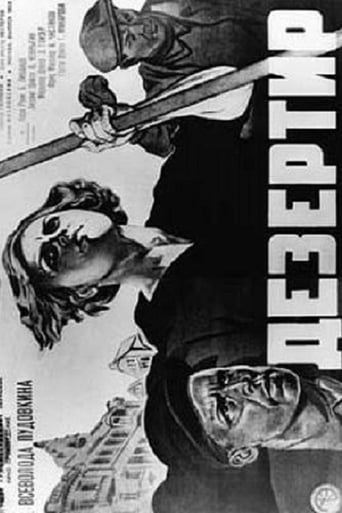
- Starring role in Vsevolod Pudovkin's first sound film 'Deserter' (1933)
- Portrayed the lead character Ruddi in the 1934 film 'The Career of Ruddi'
- Posthumously rehabilitated in 1986 during the Glasnost era
Best Known For
Iconic Roles
Must-See Films
Accolades
Special Recognition
- Posthumous rehabilitation by the Soviet government (1986)
Working Relationships
Worked Often With
Studios
Why They Matter
Impact on Culture
In the early 1930s, Konsovsky was the face of the 'New Soviet Man.' His image was used to promote the GTO (Ready for Labour and Defence) fitness program, and he was considered a role model for the youth of the era. His tragic arrest and death led to his name being erased from Soviet film history for decades, with his films often being suppressed or his name removed from credits. His 'rediscovery' in the late 1980s served as a poignant reminder of the creative talent lost during the Stalinist repressions.
Lasting Legacy
Konsovsky's legacy is that of a 'lost star' of the Soviet Golden Age. He is remembered as one of the most promising actors of the early sound era whose potential was never fully realized. Today, film historians view his work in 'Deserter' as a masterclass in early sound acting, and he remains a symbol of the tragic intersection between art and totalitarian politics in the 20th century.
Who They Inspired
His naturalistic approach to screen acting influenced his younger brother, Aleksei, and other contemporaries at the Vakhtangov Theatre. His collaboration with Pudovkin helped define the acting requirements for the transition from silent montage-based cinema to the psychological realism of sound film.
Off Screen
Dmitri was the older brother of Aleksei Konsovsky, who later became a famous actor known for playing the Prince in the 1947 film 'Cinderella'. He was married to Tamara Innokentyevna Chistyakova, a fellow actress who worked at the Theatre of the Revolution. His life was characterized by a passion for sports; he was an accomplished tennis player and swimmer, which contributed to his popular image as a symbol of the healthy, modern Soviet youth.
Education
Vakhtangov Theatre Studio (graduated 1930)
Family
- Tamara Innokentyevna Chistyakova
Did You Know?
- He was a champion-level tennis player and swimmer.
- His younger brother, Aleksei Konsovsky, became one of the most beloved actors in Soviet history.
- He was arrested in the middle of his rising fame, specifically on December 3, 1934.
- He died in a labor camp infirmary just days before he was scheduled to be executed.
- For decades, his image was censored in Soviet publications due to his status as an 'enemy of the people.'
- He was a student and later a teacher at the prestigious Vakhtangov School.
- His performance in 'Deserter' was praised by international critics for its intensity.
In Their Own Words
This is the type of young man we dreamed of becoming when we were young. (Said by writer Yuri Olesha regarding Konsovsky's screen persona)
Frequently Asked Questions
Who was Dmitri Konsovsky?
Dmitri Konsovsky was a leading Soviet film and stage actor of the early 1930s, known for his roles in major productions like 'Deserter'. He was a rising star of the Mezhrabpomfilm studio before his career was ended by political repression.
What films is Dmitri Konsovsky best known for?
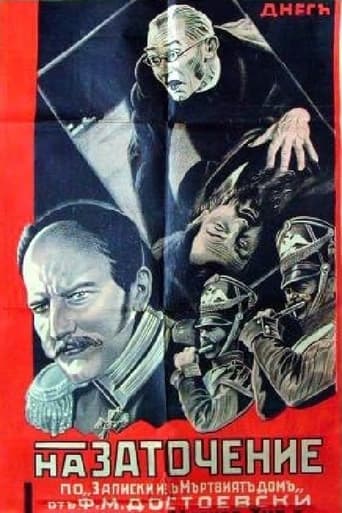
He is best known for starring in Vsevolod Pudovkin's 'Deserter' (1933), 'House of the Dead' (1932), and 'The Career of Ruddi' (1934).
When was Dmitri Konsovsky born and when did he die?
He was born on December 16, 1907, in Moscow and died on February 15, 1938, in a Soviet labor camp in the Komi Republic.
Why did Dmitri Konsovsky's career end so abruptly?
His career ended when he was arrested in 1934 during the Stalinist purges on fabricated charges of anti-Soviet agitation, leading to his imprisonment and eventual death.
Was Dmitri Konsovsky related to other famous actors?
Yes, he was the older brother of Aleksei Konsovsky, a highly famous Soviet actor known for his role as the Prince in the classic 1947 film 'Cinderella'.
Learn More
Films
2 films