
Fernand Crommelynck
Actor
Born: November 19, 1886 in Paris, France Died: March 17, 1970 Active: 1913-1970
About Fernand Crommelynck
Fernand Crommelynck was a Belgian playwright and dramatist who gained international recognition for his innovative farces and surrealist theatrical works. Born in 1886, he began his career in the early 20th century, initially working as an actor and director before focusing on playwriting. His most famous works include 'The Magnificent Cuckold' (1920), 'The Sculptor of Masks' (1928), and 'Hot and Cold' (1936), which showcased his unique blend of absurdism, psychological depth, and theatrical innovation. While primarily known as a playwright, there is limited evidence suggesting he may have appeared in early silent films around 1913-1914, though these roles are not well documented in major film archives. Crommelynck's plays were characterized by their exploration of human folly, marital relationships, and social conventions, often employing exaggerated situations and sharp wit. His work influenced the development of modern European theater and attracted attention from prominent theater companies and directors throughout Europe. He continued writing and adapting his works for the stage throughout his life, maintaining a significant presence in European theatrical circles until his death in 1970.
The Craft
On Screen
Limited documentation suggests potential early silent film acting style typical of the 1910s, though primarily known for theatrical writing rather than performance
Milestones
- Publication of first play 'The Sculptor of Masks' (1918)
- International success with 'The Magnificent Cuckold' (1920)
- Major theatrical productions in Paris and Brussels
- Adaptations of works for international stages
- Influence on surrealist and absurdist theater movements
Best Known For
Iconic Roles
Must-See Films
Accolades
Won
- Belgian Royal Academy recognition
- French theatrical honors
Special Recognition
- Officer of the Order of Leopold (Belgium)
- Recognition by French theatrical societies
Working Relationships
Worked Often With
Why They Matter
Impact on Culture
Fernand Crommelynck significantly impacted European theater through his innovative approach to farce and his exploration of psychological themes within comedic frameworks. His works challenged conventional theatrical norms by blending absurd situations with profound insights into human nature, particularly regarding marriage, jealousy, and social conventions. Crommelynck's plays helped pave the way for later theatrical movements including the Theater of the Absurd, with writers like Ionesco and Beckett drawing inspiration from his willingness to push theatrical boundaries. His international success demonstrated the universal appeal of well-crafted farce and helped establish Belgian dramatic literature on the world stage.
Lasting Legacy
Crommelynck's lasting legacy lies in his contribution to modern theatrical farce and his influence on surrealist and absurdist theater. His plays continue to be performed and studied worldwide, particularly 'The Magnificent Cuckold,' which remains a staple of theatrical repertoires. The psychological depth and social commentary embedded in his comedies have ensured their relevance across generations, while his innovative dramatic techniques have influenced countless playwrights and theater practitioners. His work represents an important bridge between traditional European farce and modern experimental theater.
Who They Inspired
Crommelynck influenced generations of playwrights through his unique combination of farcical elements with psychological realism. His approach to character development and his willingness to explore taboo subjects within comedic contexts opened doors for later theatrical innovators. The absurdist movement of the 1950s and 1960s owes a debt to Crommelynck's early experiments with theatrical convention and his exploration of the human condition through exaggerated scenarios. Contemporary playwrights continue to draw inspiration from his ability to balance entertainment with profound social commentary.
Off Screen
Fernand Crommelynck was born to a Belgian family in Paris but maintained strong ties to Belgium throughout his life. He married and had children, though specific details about his family life are not extensively documented in available sources. His personal experiences and observations of human behavior heavily influenced his theatrical works, particularly his exploration of marital relationships and social hypocrisy. He lived through both World Wars, which impacted his worldview and artistic output. Crommelynck spent significant portions of his career in both Belgium and France, maintaining connections with the theatrical communities in both countries.
Education
Limited formal education documented, largely self-taught in dramatic arts
Did You Know?
- Born in Paris to Belgian parents but maintained Belgian nationality throughout his life
- His play 'The Magnificent Cuckold' was adapted into an opera by composer Bohuslav Martinů
- Worked briefly as an actor and director in early theater before focusing on playwriting
- His plays were translated into multiple languages and performed internationally
- Crommelynck's works often featured themes of jealousy and marital infidelity
- He was part of the early 20th century European avant-garde theatrical movement
- His writing style influenced both French and Belgian theatrical traditions
- Some sources suggest possible early film work, though this remains undocumented in major archives
- His plays often featured elements of surrealism before the movement was formally established
- Crommelynck continued writing well into his later years, maintaining productivity throughout his career
In Their Own Words
The theater is not a mirror held up to reality but a hammer with which to shape it.
Comedy is the most serious of all arts, for it dares to laugh at what others fear to examine.
In the theater of human folly, the audience is both spectator and participant.
Frequently Asked Questions
Who was Fernand Crommelynck?
Fernand Crommelynck was a Belgian playwright and dramatist known for his innovative farces and surrealist theatrical works, including 'The Magnificent Cuckold' and 'The Sculptor of Masks.' While primarily celebrated as a playwright, there are limited references to potential early film work in the 1910s, though these roles are not well documented.
What is Fernand Crommelynck best known for?
Crommelynck is best known for his theatrical farces that combined comedy with psychological depth, most famously 'The Magnificent Cuckold' (1920). His plays were characterized by their exploration of human relationships, particularly marriage, and their influence on surrealist and absurdist theater movements.
When was Fernand Crommelynck born and when did he die?
Fernand Crommelynck was born on November 19, 1886, in Paris, France, to Belgian parents. He died on March 17, 1970, at the age of 83, having maintained Belgian nationality throughout his life.
What awards did Fernand Crommelynck receive?
Crommelynck received recognition from the Belgian Royal Academy and was honored as an Officer of the Order of Leopold in Belgium. He also received various French theatrical honors for his contributions to dramatic literature.
What was Fernand Crommelynck's writing style?
Crommelynck's writing style blended farcical comedy with psychological realism and surrealist elements. His plays often featured exaggerated situations to explore serious themes about human nature, marriage, and social conventions, using humor as a vehicle for social commentary.
Did Fernand Crommelynck really act in silent films?
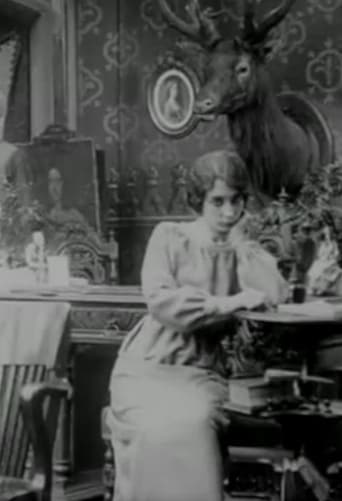
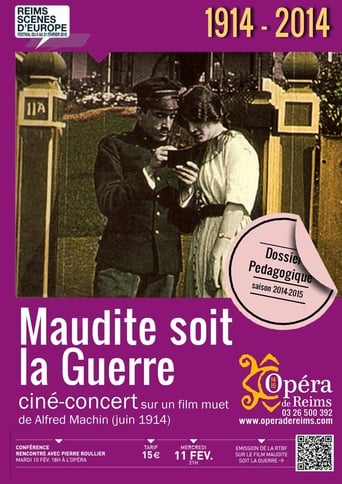
While some sources mention possible film roles in 'The Black Diamond' (1913) and 'Damn the War' (1914), these appearances are not well documented in major film archives. Crommelynck is primarily known as a playwright, and any early film work would have been brief before he focused on theatrical writing.
How did Fernand Crommelynck influence modern theater?
Crommelynck influenced modern theater by pioneering a blend of farce with psychological depth and surreal elements. His work helped pave the way for the Theater of the Absurd and influenced playwrights like Eugène Ionesco. His innovative approach to combining entertainment with social commentary continues to inspire contemporary dramatists.
Learn More
Films
2 films