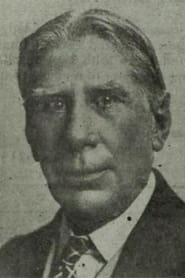
Tote Du Crow
Actor
Born: 1868 in California, United States Died: March 4, 1927 Active: 1917-1924 Birth Name: George De La Vergne
About Tote Du Crow
Tote Du Crow was a prominent Native American actor during the silent film era, known for his authentic portrayals of Indigenous characters at a time when most such roles were played by white actors in makeup. Born in the late 19th century, he began his film career around 1917 and quickly became one of the few Native American actors to achieve regular work in Hollywood's burgeoning film industry. His career peaked during the early 1920s when he appeared in several major productions, often alongside stars like Douglas Fairbanks. Du Crow's performances were notable for their dignity and authenticity, bringing genuine representation to an era marked by stereotypical portrayals of Native Americans. He worked steadily through the mid-1920s, appearing in adventure films, westerns, and fantasy productions. His film career appears to have concluded around 1924, coinciding with the transition from silent films to talkies, a period that saw many character actors of his type struggle to find continued employment. Despite the limitations of the era, Du Crow left an important legacy as one of Hollywood's pioneering Native American performers.
The Craft
On Screen
Du Crow was known for his naturalistic and dignified portrayals of Native American characters, avoiding the exaggerated stereotypes common in silent era cinema. His performances emphasized authenticity and gravitas, bringing genuine representation to roles that were typically filled by white actors in redface. As a character actor, he specialized in supporting roles that required presence and authenticity rather than broad comedic or dramatic acting.
Milestones
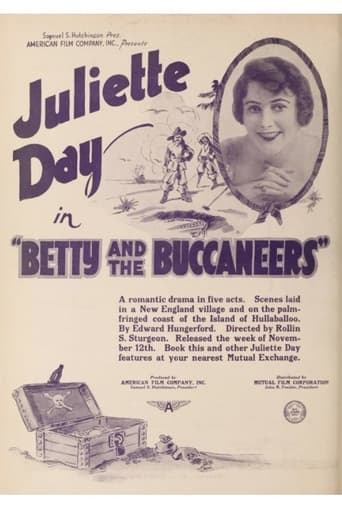
- Breakthrough role in Betty and the Buccaneers (1917)
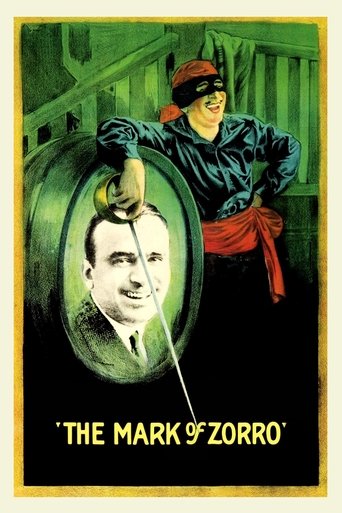
- Memorable performance as Native American character in The Mark of Zorro (1920)
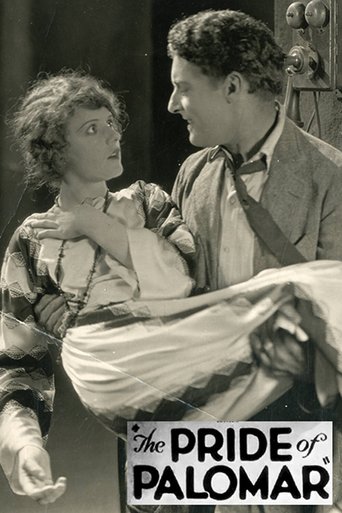
- Supporting role in The Pride of Palomar (1922)
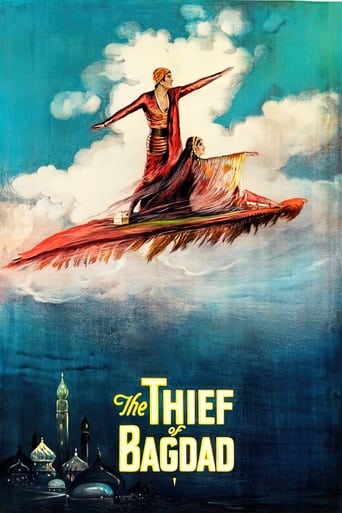
- Appearance in Douglas Fairbanks' The Thief of Bagdad (1924)
- One of the first Native American actors to achieve regular work in Hollywood
Best Known For
Iconic Roles
Must-See Films
Accolades
Special Recognition
- Pioneering Native American actor in early Hollywood
Working Relationships
Worked Often With
Studios
Why They Matter
Impact on Culture
Tote Du Crow represented a significant breakthrough for Native American representation in early cinema. At a time when Hollywood routinely cast white actors in redface for Indigenous roles, Du Crow brought authenticity and dignity to his portrayals. His presence in major productions like The Mark of Zorro and The Thief of Bagdad helped challenge prevailing stereotypes, even if subtly. As one of the few Native American actors working regularly during the silent era, he paved the way for future generations of Indigenous performers in Hollywood. His career demonstrated that Native American actors could successfully work within the studio system while maintaining cultural integrity in their performances.
Lasting Legacy
Tote Du Crow's legacy lies in his pioneering role as one of Hollywood's first Native American character actors. While his name may not be widely recognized today, his contributions to early cinema represent an important chapter in the history of Native American representation in film. His work during the transition from the silent era to sound film coincided with a period when opportunities for minority actors were extremely limited. The authenticity he brought to his roles, in contrast to the stereotypical performances of his contemporaries, established a standard for genuine representation that would influence future generations of Native American performers.
Who They Inspired
Du Crow influenced subsequent Native American actors by demonstrating that it was possible to build a career in Hollywood while maintaining cultural authenticity. His dignified portrayals offered an alternative to the caricatures prevalent in silent era cinema. While direct documentation of his influence on specific actors is limited, his career path likely inspired other Native American performers to pursue roles in film during the early 20th century. His work with major stars like Douglas Fairbanks also helped establish that Native American actors could successfully integrate into mainstream Hollywood productions.
Off Screen
Tote Du Crow was of Native American heritage, specifically from the Mission tribe of California. He adopted his stage name which reflected his indigenous background. Little detailed information is available about his personal life, which was not uncommon for character actors of the silent era who lived outside the mainstream Hollywood spotlight. He spent his final years in California before his death in 1927.
Education
Information not available
Family
- Information not available
Did You Know?
- His stage name 'Tote Du Crow' translates roughly to 'Dead Crow' in French, reflecting his Native American heritage
- He was one of the few Native American actors to work regularly in Hollywood during the silent era
- His real name was George De La Vergne, but he used his indigenous name professionally
- He appeared in The Thief of Bagdad, one of the most expensive and successful silent films ever made
- His career spanned the peak years of silent cinema from 1917 to 1924
- He worked with Douglas Fairbanks, one of the biggest stars of the silent era
- Like many character actors of his era, his career declined with the advent of sound films
- He was of Mission Indian heritage from California
- He died in 1927, just as the transition to sound films was completing
- His authentic portrayal of Native American characters was rare in an era of yellowface and redface casting
In Their Own Words
No documented famous quotes are available from Tote Du Crow, which was common for character actors of the silent era who rarely gave interviews
Frequently Asked Questions
Who was Tote Du Crow?
Tote Du Crow was a Native American actor who worked in silent films during the 1910s and 1920s. He was one of the few Indigenous actors to achieve regular work in early Hollywood, known for authentic portrayals of Native American characters in major productions like The Mark of Zorro and The Thief of Bagdad.
What films is Tote Du Crow best known for?
Tote Du Crow is best known for his roles in The Mark of Zorro (1920) starring Douglas Fairbanks, The Thief of Bagdad (1924), The Pride of Palomar (1922), and Betty and the Buccaneers (1917). These films represent his most significant work during his active period from 1917 to 1924.
When was Tote Du Crow born and when did he die?
Tote Du Crow was born in 1868 in California and died on March 4, 1927. His birth name was George De La Vergne, and he was of Mission Indian heritage from California.
What awards did Tote Du Crow win?
Tote Du Crow did not receive any formal awards or nominations during his career, which was common for character actors of the silent era. However, he is recognized today as a pioneering Native American actor who brought authentic representation to early Hollywood films.
What was Tote Du Crow's acting style?
Tote Du Crow was known for his naturalistic and dignified acting style, particularly in portraying Native American characters. Unlike many contemporaries who relied on stereotypes, he brought authenticity and gravitas to his roles, avoiding the exaggerated performances common in silent era cinema.
Why was Tote Du Crow significant in film history?
Tote Du Crow was significant as one of the first Native American actors to work regularly in Hollywood. At a time when most Indigenous roles were played by white actors in makeup, he provided authentic representation and paved the way for future generations of Native American performers in the film industry.
Learn More
Films
4 films