
Faina Ranevskaya
Actor
Born: August 27, 1896 in Taganrog, Russian Empire (now Russia) Died: July 19, 1984 Active: 1915-1971 Birth Name: Faina Georgievna Feldman
About Faina Ranevskaya
Faina Ranevskaya (born Faina Georgievna Feldman) was one of the most iconic and beloved actresses in Soviet theater and cinema. Born into a wealthy Jewish family in Taganrog, she discovered her passion for acting early despite family opposition. Her career began in provincial theaters before she moved to Moscow, where she became a celebrated stage actress at the Vakhtangov Theatre. Ranevskaya's film career, though not as extensive as her stage work, included memorable roles that showcased her unique comedic timing and dramatic depth. She was particularly known for her sharp wit, distinctive voice, and ability to create unforgettable characterizations. Despite facing political pressures during the Stalin era, she maintained her artistic integrity and continued to perform until her health declined. Her legacy as one of Russia's greatest actresses endures through her recorded performances and the many aphorisms attributed to her.
The Craft
On Screen
Ranevskaya was known for her sharp, satirical wit and distinctive delivery. Her acting combined elements of comedy and tragedy, often playing eccentric, sharp-tongued characters with great depth. She had a unique ability to deliver both biting humor and profound pathos, often within the same role. Her voice was instantly recognizable, with its characteristic timbre and precise diction. On stage, she was known for her minimalist approach, relying more on vocal inflection and subtle gestures rather than broad physical comedy.
Milestones
- Stage debut at age 17 in provincial theater
- Joined the Vakhtangov Theatre in 1931
- Breakthrough film role in 'Boule de Suif' (1934)
- Named People's Artist of the USSR in 1961
- Final stage performance in 1971
Best Known For
Iconic Roles
Must-See Films
Accolades
Won
- People's Artist of the RSFSR (1947)
- People's Artist of the USSR (1961)
- Order of Lenin (1976)
- Order of the Red Banner of Labour (1946)
- Order of the Red Banner of Labour (1966)
- Stalin Prize (1949)
Special Recognition
- Commemorative plaque on her Moscow apartment building
- Theaters named in her honor
- Cultural institutions bearing her name
- Featured on Russian postage stamps
Working Relationships
Worked Often With
Studios
Why They Matter
Impact on Culture
Ranevskaya's impact on Soviet and Russian culture extends far beyond her film and stage roles. She became a cultural icon known for her wit and sharp observations about life, art, and society. Many of her remarks and aphorisms have become part of Russian cultural lexicon, often quoted even by those who never saw her perform. Her ability to maintain artistic integrity during the politically restrictive Soviet era made her a symbol of artistic courage. She influenced generations of Russian actors with her emphasis on psychological depth and authenticity in performance.
Lasting Legacy
Ranevskaya's legacy is that of one of Russia's greatest actresses and cultural figures. Her performances continue to be studied by acting students, and her films remain classics of Soviet cinema. The apartment building where she lived in Moscow now bears a commemorative plaque, and her name has been given to theaters and cultural institutions. Her collection of aphorisms and witticisms remains popular, demonstrating how her impact extended beyond performance into broader cultural discourse.
Who They Inspired
She influenced Soviet and Russian theater with her emphasis on psychological realism and her ability to find humor in tragic situations. Many younger actors studied her technique and approach to character development. Her success as a character actress paved the way for other performers who didn't conform to conventional leading lady standards. Her willingness to speak truth to power, albeit subtly, inspired artists working under restrictive regimes.
Off Screen
Ranevskaya never married and had no children, dedicating her entire life to her art. She was known for her sharp tongue both on and off stage, which sometimes got her into trouble with Soviet authorities. She lived a relatively modest life in Moscow, despite her fame, and was known for her generosity to fellow artists. Her later years were marked by declining health, but she continued to be a revered figure in Soviet cultural life until her death.
Education
Initially educated at home, later attended Taganrog Girls' Gymnasium before pursuing acting against her family's wishes
Did You Know?
- Despite being one of Soviet cinema's most recognizable faces, she appeared in relatively few films compared to her extensive stage career
- Many witty remarks and aphorisms are attributed to her, though some may be apocryphal
- She was known for her sharp tongue and once famously replied to a compliment about her beauty: 'I'm not beautiful, I'm memorable'
- During World War II, she performed for soldiers at the front lines
- Her distinctive voice made her a popular choice for radio performances
- She was known for her eccentric behavior and often walked around Moscow with her pet parrot
- Despite her fame, she lived a relatively simple life and never owned a car
- She was friends with many of Soviet Russia's leading intellectuals and artists
- Her family was initially opposed to her acting career, considering it unsuitable for a young woman of her background
- She continued performing well into her 70s despite health problems
In Their Own Words
I'm not beautiful, I'm memorable
Optimism is a lack of information
Life is a short walk from the cradle to the grave, but it's a long walk from one grave to another
A woman can forget everything, but never the man who made her forget everything
Loneliness is when there's E-mail in the mailbox and no one to send it to
Frequently Asked Questions
Who was Faina Ranevskaya?
Faina Ranevskaya was one of the most celebrated actresses in Soviet theater and cinema, known for her sharp wit, distinctive voice, and memorable characterizations. Born in 1896, she became a cultural icon in Russia through her work at the Vakhtangov Theatre and her roles in classic Soviet films.
What films is Faina Ranevskaya best known for?
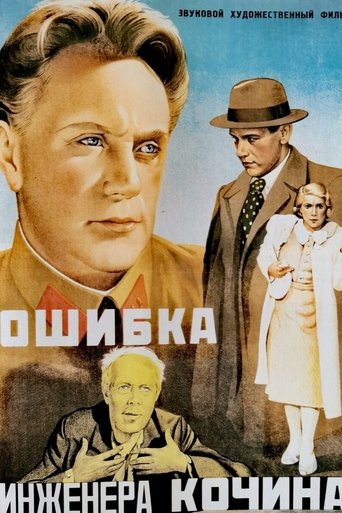
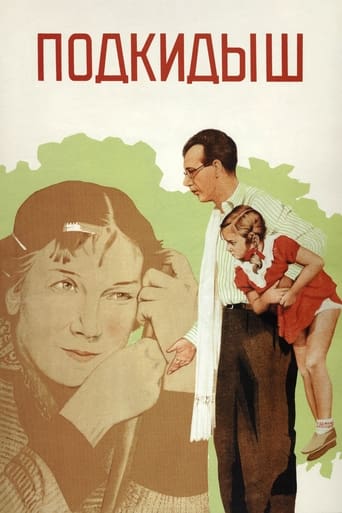
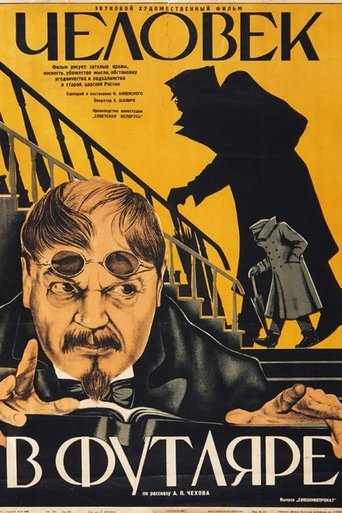
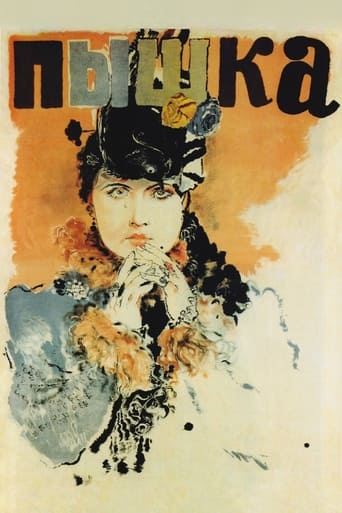
Ranevskaya is best known for her roles in 'Boule de Suif' (1934), 'Engineer Kochin's Error' (1939), 'The Foundling' (1939), 'Man in a Shell' (1939), and 'The Beloved' (1940). These films showcased her unique ability to blend comedy with dramatic depth.
When was Faina Ranevskaya born and when did she die?
Faina Ranevskaya was born on August 27, 1896, in Taganrog, Russian Empire (now Russia), and died on July 19, 1984, in Moscow, Soviet Union, at the age of 87.
What awards did Faina Ranevskaya win?
Ranevskaya received numerous honors including the title of People's Artist of the USSR in 1961, the Stalin Prize in 1949, the Order of Lenin in 1976, and two Orders of the Red Banner of Labour for her contributions to Soviet theater and cinema.
What was Faina Ranevskaya's acting style?
Ranevskaya's acting style was characterized by sharp satirical wit, distinctive vocal delivery, and the ability to seamlessly blend comedy with tragedy. She was known for her minimalist approach, relying on precise diction and subtle gestures rather than broad physical comedy.
Learn More
Films
13 films