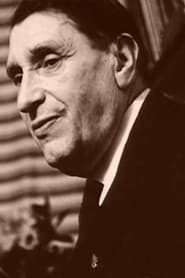
Ivan Ivanov-Vano
Director
Born: August 8, 1899 in Moscow, Russian Empire Died: March 25, 1987 Active: 1927-1983 Birth Name: Ivan Ivanovich Vano
About Ivan Ivanov-Vano
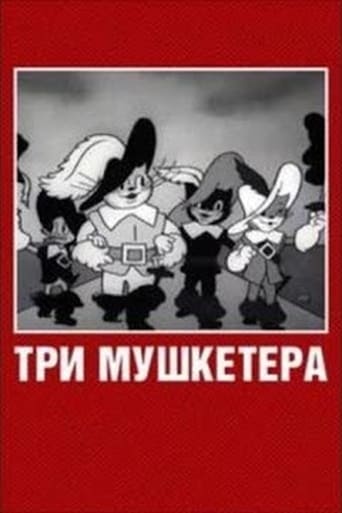
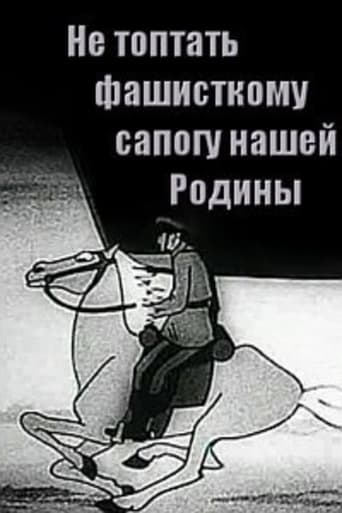
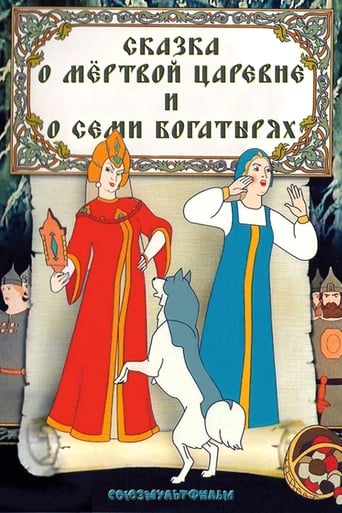
Ivan Ivanov-Vano was a pioneering Soviet animation director and animator widely regarded as the patriarch of Russian animation. Born in 1899, he began his career in the 1920s working with experimental animation techniques before joining the newly formed Soyuzmultfilm studio in 1936. His early works like 'Black and White' (1932) and 'The Three Musketeers' (1938) established him as a master of both hand-drawn and stop-motion animation. During World War II, he created propaganda films including 'Fascist Boots Shall Not Trample Our Motherland' (1941), combining artistic merit with patriotic messaging. Post-war, Ivanov-Vano focused on adapting classic Russian literature into animated features, most notably 'The Snow Queen' (1957) and 'The Tale of the Dead Princess' (1951). He continued directing well into the 1970s, mentoring generations of Soviet animators and helping establish the distinctive style of Russian animation. His career spanned over five decades, during which he directed more than 30 animated films and established animation as a serious art form in Soviet cinema.
The Craft
Behind the Camera
Ivanov-Vano was known for his meticulous attention to detail and his ability to blend traditional Russian artistic aesthetics with modern animation techniques. He often employed a painterly approach to his backgrounds, drawing inspiration from Russian folk art and classical painting. His animation style emphasized fluid movement and expressive character design, with a particular talent for bringing literary characters to life while maintaining their original essence. He was versatile in both hand-drawn and stop-motion animation, often combining techniques within single productions to achieve specific artistic effects.
Milestones
- Directed first Soviet sound animation 'Black and White' (1932)
- Co-founded Soyuzmultfilm animation studio (1936)
- Created wartime propaganda films during WWII
- Directed acclaimed adaptation 'The Snow Queen' (1957)
- Awarded People's Artist of the USSR (1969)
- Taught at VGIK film school for over 30 years
- Pioneered both hand-drawn and stop-motion techniques in Soviet animation
Best Known For
Iconic Roles
Must-See Films
Working Relationships
Worked Often With
Studios
Why They Matter
Impact on Culture
Ivanov-Vano fundamentally shaped the course of Soviet and Russian animation, establishing it as a legitimate art form rather than mere entertainment. His adaptations of classic Russian literature introduced generations of Soviet children to their cultural heritage through accessible animated form. His wartime propaganda films demonstrated animation's power as a tool for political messaging and national unity. The distinctive visual style he developed, incorporating elements of Russian folk art and classical painting, created a uniquely Soviet aesthetic that distinguished Russian animation from Western counterparts. His work at Soyuzmultfilm helped establish the studio as one of the world's most respected animation houses.
Lasting Legacy
Ivanov-Vano's legacy endures through the thousands of animators he trained at VGIK and the distinctive style of Russian animation he helped create. Many of his films, particularly 'The Snow Queen,' remain classics that are still shown and studied today. The animation school he founded at Soyuzmultfilm produced several generations of master animators who went on to international acclaim. His emphasis on artistic quality and cultural authenticity in animation continues to influence Russian animators. The techniques he developed for combining different animation styles within single productions are still studied and emulated by animators worldwide.
Who They Inspired
Ivanov-Vano influenced countless animators through both his films and his teaching. His students, including Fyodor Khitruk and Yuri Norstein, became internationally acclaimed directors who expanded on his techniques and philosophies. His approach to adapting literature into animation became a model for future Soviet animators. The visual language he developed, particularly his use of Russian folk art elements, became a signature of Soviet animation that influenced animators across the Eastern Bloc. His emphasis on animation as high art rather than children's entertainment helped elevate the medium's status globally.
Did You Know?
- Was nicknamed 'Patriarch of Soviet Animation' for his foundational role in the industry
- Started his career creating title cards for silent films before moving to animation
- Worked as a political cartoonist during the early Soviet period
- His film 'The Snow Queen' was one of the first Soviet animations to receive wide international distribution
- Continued directing films well into his 80s, with his last film completed when he was 84
- Was a founding member of the animation department at VGIK, the first formal animation school in the Soviet Union
- His wartime animations were often created under difficult conditions with limited resources due to the war
- was one of the first Soviet animations to use synchronized sound effectively
- Maintained a personal archive of animation materials that became a valuable resource for animation historians
- Was known for his meticulous approach, often spending years on a single film to achieve perfection
In Their Own Words
Animation is not just drawings that move, it is poetry in motion.
Every frame must be a painting, every movement must have meaning.
We don't just make cartoons, we create visual literature for the soul.
To animate Russian classics is to breathe new life into our cultural heritage.
The animator's hand must be guided by the heart of a poet and the precision of a surgeon.
Frequently Asked Questions
Who was Ivan Ivanov-Vano?
Ivan Ivanov-Vano was a pioneering Soviet animation director and animator known as the 'patriarch of Soviet animation.' He founded the animation school at Soyuzmultfilm and directed over 30 animated films from the 1920s through the 1980s, establishing animation as a serious art form in Soviet cinema.
What films is Ivan Ivanov-Vano best known for?
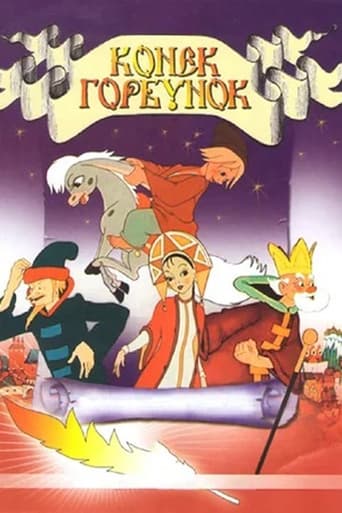
His most famous works include 'The Snow Queen' (1957), 'The Tale of the Dead Princess' (1951), 'The Humpbacked Horse' (1947), 'The Twelve Months' (1956), and his early propaganda films like 'Fascist Boots Shall Not Trample Our Motherland' (1941).
When was Ivan Ivanov-Vano born and when did he die?
Ivan Ivanov-Vano was born on August 8, 1899, in Moscow, Russian Empire, and died on March 25, 1987, in Moscow, Soviet Union, at the age of 87.
What awards did Ivan Ivanov-Vano win?
He received numerous honors including People's Artist of the USSR (1969), the State Prize of the USSR (1970), Order of Lenin (1974), and was recognized internationally with a Cannes Film Festival nomination for 'The Snow Queen'.
What was Ivan Ivanov-Vano's directing style?
Ivanov-Vano was known for blending traditional Russian artistic aesthetics with modern animation, employing a painterly approach inspired by Russian folk art. He mastered both hand-drawn and stop-motion techniques, emphasizing fluid movement and expressive character design while maintaining literary authenticity in adaptations.
Learn More
Films
13 films