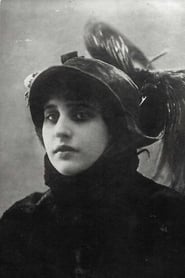
Vera Kholodnaya
Actor
Born: August 5, 1893 in Poltava, Russian Empire (now Ukraine) Died: February 16, 1919 Active: 1915-1919 Birth Name: Vera Vasilyevna Levchenko
About Vera Kholodnaya
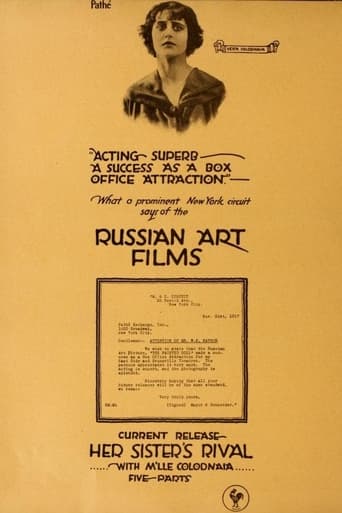
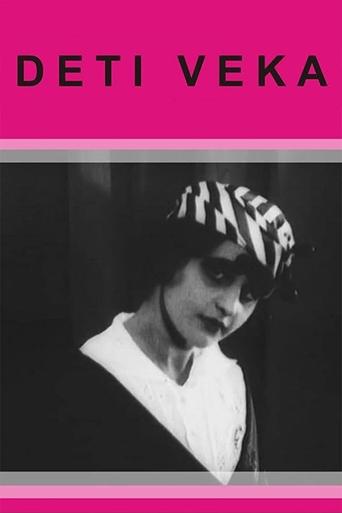
Vera Kholodnaya, born Vera Levchenko, was Russia's first true film superstar and the most celebrated actress of the Russian silent era. She began her career in theater before making her film debut in 1915's 'Children of the Age,' quickly rising to unprecedented fame through her collaborations with visionary director Yevgeni Bauer. Her breakthrough came with 'A Life for a Life' (1916), establishing her as the embodiment of tragic romanticism on screen. By 1918, she had become Russia's highest-paid actress, commanding enormous salaries and appearing in approximately 50 films during her brief but meteoric career. Her performances were characterized by intense emotional expression and a distinctive screen presence that captivated audiences across the Russian Empire. Tragically, her career was cut short when she died of Spanish influenza in 1919 at the age of 25, leaving behind a legacy as the 'Queen of Russian Silent Cinema.' The loss of many of her films during the Russian Revolution has only enhanced her mystique, making her one of cinema's most fascinating enigmas.
The Craft
On Screen
Vera Kholodnaya's acting style epitomized the dramatic intensity of the silent era, characterized by powerful physical expressions, soulful gazes, and exaggerated gestures that conveyed deep emotional narratives without dialogue. She specialized in portraying tragic, suffering heroines with a unique blend of vulnerability and strength, using her expressive eyes and graceful movements to communicate complex inner states. Her performances were marked by a distinctive melancholic beauty and an ability to convey both passion and despair through subtle facial expressions and body language, making her particularly effective in melodramatic roles that required emotional depth and authenticity.
Milestones
- Film debut in 'Children of the Age' (1915)
- Breakthrough role in 'A Life for a Life' (1916)
- Became Russia's highest-paid actress by 1918
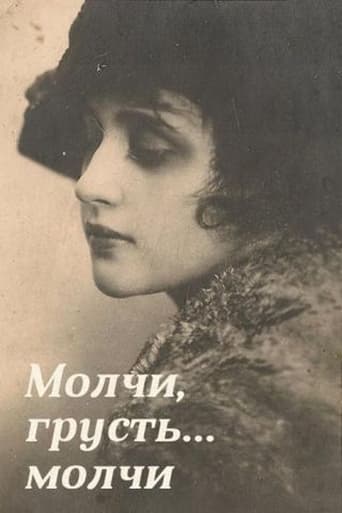
- Starred in 'Be Silent, My Sorrow, Be Silent' (1918)
- Made approximately 50 films in just 4 years
- Collaborated with director Yevgeni Bauer on multiple classics
- Posthumous recognition as Russia's greatest silent film star
Best Known For
Iconic Roles
Must-See Films
Accolades
Won
- No formal awards during lifetime (pre-Oscar era)
Nominated
- No formal nominations during lifetime
Special Recognition
- Posthumously recognized as 'Queen of Russian Silent Cinema'
- Multiple retrospectives in Russian film archives
- Cultural icon status in Russian film history
- Subject of numerous documentaries and books about early cinema
Working Relationships
Worked Often With
Studios
Why They Matter
Impact on Culture
Vera Kholodnaya's cultural impact transcended her brief career, representing the golden age of Russian silent cinema and embodying the artistic flowering that occurred before the Soviet era. She became a cultural phenomenon in Russia, with her image appearing on postcards, merchandise, and in newspapers, making her the country's first true media celebrity. Her tragic heroines resonated deeply with Russian audiences, reflecting the romanticism and emotional intensity characteristic of Russian art. Her untimely death during the Spanish flu pandemic created a national mourning that demonstrated her profound connection with the public. The subsequent loss of many of her films during the political upheaval of the Russian Revolution has paradoxically enhanced her mythic status, making her a symbol of a lost artistic era.
Lasting Legacy
Vera Kholodnaya's legacy endures as the definitive icon of Russian silent cinema, representing both the artistic achievements and tragic losses of early 20th century Russian culture. Despite the destruction of many of her films, her surviving works continue to be studied by film scholars as examples of sophisticated silent-era acting and storytelling. She paved the way for future Russian film stars and demonstrated the commercial potential of cinema in Russia. Her life story has inspired numerous books, documentaries, and even feature films about the early Russian film industry. The mystery surrounding her lost films and the romantic tragedy of her early death have made her a perennial subject of fascination for cinema historians and enthusiasts, ensuring her place in film history as both an artistic innovator and cultural legend.
Who They Inspired
Vera Kholodnaya influenced subsequent generations of Russian and international actresses through her distinctive approach to silent film performance, demonstrating the power of subtle expression over exaggerated melodrama. Her collaboration with director Yevgeni Bauer helped establish new standards for cinematic acting that emphasized psychological depth and emotional authenticity. Her success proved that film actresses could achieve cultural status comparable to theater performers, helping legitimize cinema as a serious art form in Russia. Later Russian actresses, including those of the Soviet era, often referenced her as a pioneering figure in Russian film performance. International silent film scholars have recognized her as a key figure in the global development of screen acting techniques, particularly in conveying complex emotions without dialogue.
Off Screen
Vera Kholodnaya's personal life was marked by two marriages and early motherhood. She married her first husband, Vladimir Kholodny, in 1910, taking his surname which would become her famous stage name. The couple had a daughter, Evgeniya, before divorcing in 1916. In 1917, she married Pyotr Vardagin, a military officer who supported her burgeoning film career. Despite her massive public fame, she maintained a relatively private personal life, focusing on her craft and family. Her sudden death at 25 left her daughter motherless and her second husband widowed, contributing to the tragic aura that surrounds her legacy.
Education
Attended gymnasium in Poltava but left before completing studies to pursue artistic career
Family
- Vladimir Kholodny (1910-1916)
- Pyotr Vardagin (1917-1919)
Did You Know?
- Russia's first true film superstar and highest-paid actress of her time
- Made approximately 50 films in just 4 years of career
- Many of her films were lost during the Russian Revolution
- Died at age 25 during the Spanish flu pandemic of 1919
- Her funeral in Odessa drew thousands of grieving fans
- Was called 'The Queen of Russian Silent Cinema' by contemporaries
- Her stage name 'Kholodnaya' means 'cold' in Russian, contrasting with her passionate performances
- Worked with some of the most innovative directors of early Russian cinema
- Her image appeared on numerous postcards and merchandise during her lifetime
- The mystery of her lost films has made her a subject of ongoing film restoration efforts
- Her acting style influenced the development of melodramatic performance in silent cinema
- Despite her fame, she remained relatively humble and dedicated to her craft
In Their Own Words
The camera sees everything - it sees into your soul.
In silence, the eyes must speak what the heart cannot say.
To act is to feel, and to feel is to live completely.
Frequently Asked Questions
Who was Vera Kholodnaya?
Vera Kholodnaya was Russia's first film superstar and the most celebrated actress of the Russian silent era, often called 'The Queen of Russian Silent Cinema.' She made approximately 50 films between 1915 and 1919 before her tragic death at age 25 during the Spanish flu pandemic.
What films is Vera Kholodnaya best known for?
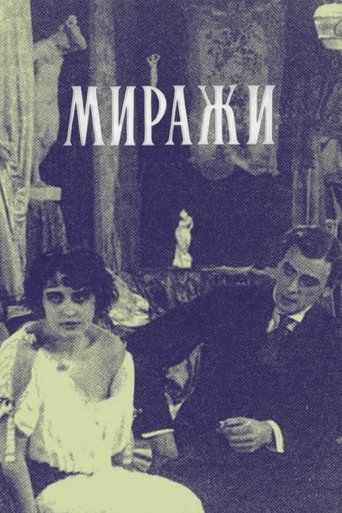
She is best known for 'A Life for a Life' (1916), 'Mirages' (1916), 'Be Silent, My Sorrow, Be Silent' (1918), 'The Last Tango' (1918), and her debut film 'Children of the Age' (1915). Many of her films were tragically lost during the Russian Revolution.
When was Vera Kholodnaya born and when did she die?
Vera Kholodnaya was born on August 5, 1893, in Poltava, Russian Empire (now Ukraine), and died on February 16, 1919, in Odessa at the age of 25 from Spanish influenza.
What awards did Vera Kholodnaya win?
Vera Kholodnaya received no formal awards during her lifetime as she worked in the pre-Oscar era of cinema. However, she has been posthumously recognized as Russia's greatest silent film star and the subject of numerous retrospectives and cultural honors.
What was Vera Kholodnaya's acting style?
Her acting style was characterized by intense emotional expression, soulful gazes, and dramatic gestures typical of the silent era. She specialized in portraying tragic heroines with a unique blend of vulnerability and strength, using her expressive eyes and graceful movements to convey complex emotions without dialogue.
Learn More
Films
5 films