Mort Blumenstock
Director
Active: 1929-1934
About Mort Blumenstock
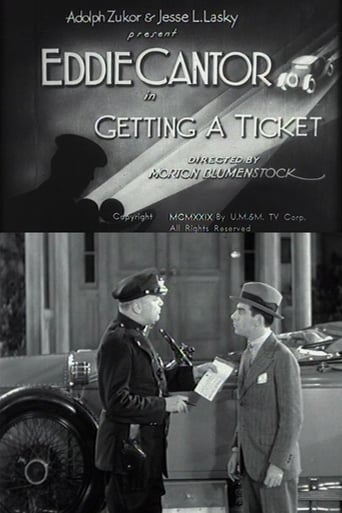
Mort Blumenstock was an American film director who worked during the pivotal transition period from silent films to talkies in the late 1920s and early 1930s. He specialized primarily in directing comedy short subjects, a popular format during the early sound era. His 1929 film 'Getting a Ticket' represents one of his earliest directorial efforts during this transformative period in cinema history. Blumenstock worked during a time when the film industry was rapidly adapting to new sound technology, and his contributions were part of the broader landscape of early sound comedy production. While his career was relatively brief compared to more prominent directors of the era, his work reflects the experimental nature of early sound filmmaking. He was part of a generation of directors who helped establish the conventions of sound comedy that would influence later filmmakers. His directorial style, while not extensively documented, was typical of the rapid-fire pacing and visual gags that characterized comedy shorts of this period.
The Craft
Behind the Camera
Blumenstock's directing style reflected the fast-paced, gag-driven approach typical of early sound comedy shorts, emphasizing visual humor and rapid pacing to engage audiences during the novelty period of sound cinema.
Milestones
- Directed 'Getting a Ticket' (1929)
- Worked during the transition from silent to sound films
- Specialized in comedy short subjects
- Contributed to early sound comedy development
Best Known For
Must-See Films
Working Relationships
Studios
Why They Matter
Impact on Culture
Mort Blumenstock's work represents an important but often overlooked aspect of early sound cinema history - the comedy short subject. During the late 1920s and early 1930s, comedy shorts were a crucial part of theater programming, serving as warm-ups for feature films. Directors like Blumenstock helped establish the technical and artistic foundations for sound comedy, experimenting with timing, dialogue integration, and the combination of visual gags with audio elements. His contributions, while not widely recognized today, were part of the collective effort that transitioned American comedy from the silent era to the sound era.
Lasting Legacy
Mort Blumenstock's legacy is primarily preserved through his surviving film works, which serve as historical documents of early sound comedy techniques. While he may not be a household name like some of his contemporaries who went on to direct major features, his work exemplifies the type of filmmaking that dominated American theaters during the early sound period. His films are valuable to film historians and scholars studying the evolution of comedy cinema and the technical challenges faced during the transition to sound.
Who They Inspired
Direct influence of Mort Blumenstock on later filmmakers is difficult to trace due to limited documentation of his career and the collective nature of early sound comedy development. However, like many directors of his era, he contributed to the establishment of comedy conventions that would be refined and expanded upon by subsequent generations of comedy filmmakers.
Off Screen
Very limited information is available about Mort Blumenstock's personal life, as was common for many directors who worked primarily in short subjects during the early sound era. Detailed biographical records for such filmmakers are often scarce in historical archives.
Did You Know?
- 'Getting a Ticket' (1929) was produced during the first full year of widespread sound film adoption in Hollywood
- Comedy shorts like those directed by Blumenstock were typically 10-20 minutes long
- Early sound directors often had to work with cumbersome recording equipment that limited camera movement
- Many short subject directors of this era remain underdocumented in film history
- The transition to sound created new opportunities for directors who could work with dialogue and sound effects
- Blumenstock worked during a period when many silent film directors struggled to adapt to sound technology
Frequently Asked Questions
Who was Mort Blumenstock?
Mort Blumenstock was an American film director active in the late 1920s and early 1930s, best known for directing comedy short subjects during the transition from silent to sound films.
What films is Mort Blumenstock best known for?
His most documented work is 'Getting a Ticket' (1929), an early sound comedy short that represents his contribution to the genre of comedy shorts popular during that era.
When was Mort Blumenstock active as a director?
Mort Blumenstock was primarily active as a director from 1929 through the early 1930s, working during the crucial transition period when Hollywood was adapting to sound technology.
What was Mort Blumenstock's directing style?
His directing style reflected the fast-paced, gag-driven approach typical of early sound comedy shorts, emphasizing visual humor and rapid pacing characteristic of the format.
Why is there limited information about Mort Blumenstock?
Limited biographical information is common for directors who primarily worked in short subjects during this era, as film historians often focused more on feature film directors and major stars of the period.
Learn More
Films
1 film