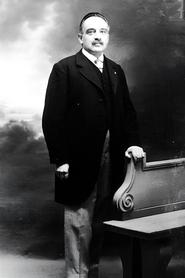
Alexandre Promio
Director
Born: July 27, 1868 in Lyon, France Died: December 24, 1926 Active: 1896-1900 (primary period with Lumière), continued in film industry until 1920s Birth Name: Alexandre Louis Promio
About Alexandre Promio
Alexandre Promio was a pioneering French filmmaker and one of the most important early cinematographers who worked for the Lumière brothers during cinema's infancy. Born in Lyon, France, he joined the Lumière company in 1896 and quickly became one of their most prolific and innovative operators, traveling extensively to capture actuality films around the world. Promio is credited with developing several early cinematic techniques, including what many consider the first example of camera movement in his 1896 film 'Panorama of the Grand Canal Taken from a Boat,' where he filmed from a moving gondola. His work took him across Europe and to America, where he captured some of the earliest moving images of New York City, including Broadway and Battery Place. Between 1896 and 1900, he directed and shot hundreds of short films, establishing many of the foundational techniques of documentary and travel filmmaking. After leaving the Lumière company around 1900, he continued to work in the film industry but never achieved the same level of prominence as during his groundbreaking early years. His legacy lies in his technical innovations and his role in expanding cinema's geographical and artistic horizons during its crucial formative period.
The Craft
Behind the Camera
Promio's directing style was characterized by innovative camera techniques for his time, including the use of camera movement to create dynamic perspectives. He was known for his observational approach to filmmaking, capturing real-life scenes with minimal intervention. His work demonstrated an early understanding of how camera placement and movement could enhance the viewer's experience, particularly in his travel and landscape films. He often employed wide shots to establish location and context, then moved to closer perspectives to capture detail and human activity.
Milestones
- Joined Lumière company as one of their first traveling cinematographers (1896)
- Created what is considered the first moving camera shot in 'Panorama of the Grand Canal' (1896)
- Filmed extensively across Europe, Russia, and North America
- Shot some of the earliest motion pictures of New York City (1896)
- Pioneered techniques in panoramic and travel cinematography
- Directed and shot over 300 short films for the Lumière company
Best Known For
Must-See Films
Films
17 films

Panorama of the Grand Canal Taken from a Boat
1896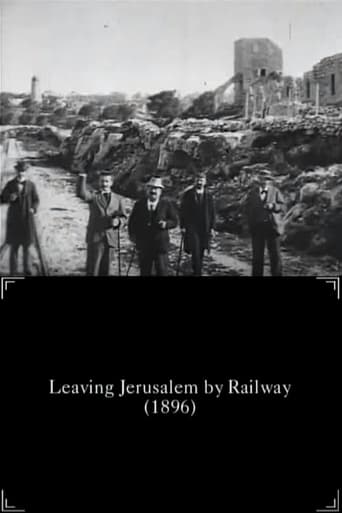
Leaving Jerusalem by Railway
1897
Une bataille dans le vieux Stockholm
1897
Danse au bivouac
1896
Constantinople, panorama des rives du Bosphore
1897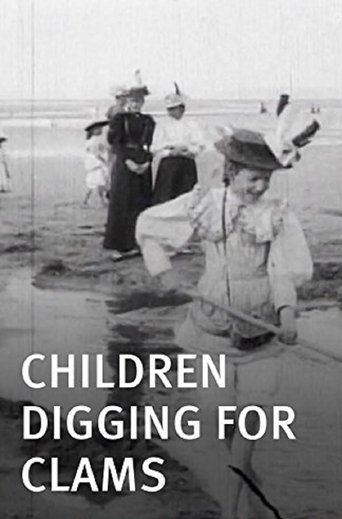
Children Digging for Clams
1896
New York: Broadway at Union Square
1896
New York. Arrival of a Train at Battery Place
1896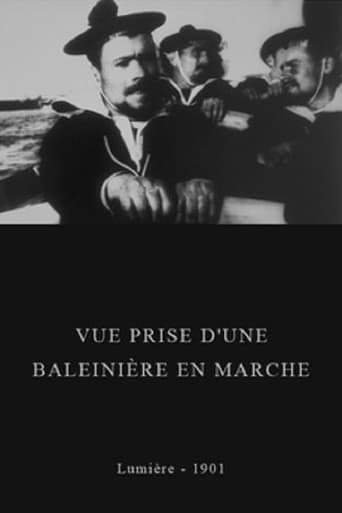
Vue prise d'une baleinière en marche
1900
Déchargement d’un navire
1896
Rentrée à l'étable
1896
New York, Broadway
1896
Jérusalem : porte de Jaffa, côté Est
1897
Death of Marat
1897
Néron essayant des poisons sur des esclaves
1896