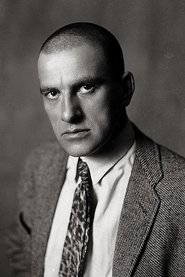
Vladimir Mayakovsky
Actor
Born: July 19, 1893 in Baghdati, Kutais Governorate, Russian Empire (now Georgia) Died: April 14, 1930 Active: 1912-1930 Birth Name: Vladimir Vladimirovich Mayakovsky
About Vladimir Mayakovsky
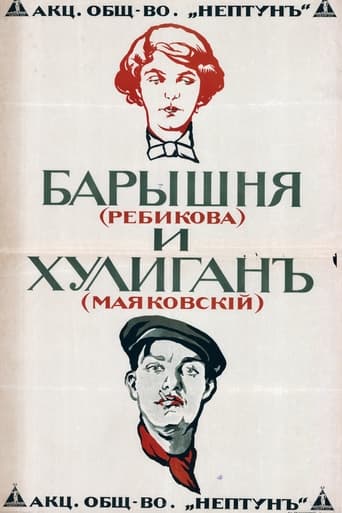
Vladimir Vladimirovich Mayakovsky was a revolutionary Russian poet, playwright, artist, and actor who became one of the most prominent figures of the Russian Futurist movement. Born in Georgia in the Russian Empire, he moved to Moscow as a teenager and quickly immersed himself in the avant-garde art scene, co-founding the Futurist group Hylaea. His poetry broke dramatically with traditional forms, featuring bold imagery, dynamic rhythms, and political themes that captured the revolutionary spirit of his time. After the 1917 Bolshevik Revolution, Mayakovsky became an enthusiastic supporter of Soviet ideals, creating propaganda posters, agitprop plays, and poetry that served the new regime while maintaining his experimental artistic vision. His brief foray into cinema included starring in 'The Young Lady and the Hooligan' (1918), where his performance embodied Futurist theatrical principles. Despite his alignment with Soviet ideals, his relationship with the authorities was often tense due to his independent artistic spirit. His career was cut short when he died by suicide on April 14, 1930, at the age of 36, leaving behind a complex legacy as both a Soviet cultural icon and an artistic rebel whose work continues to influence literature and art worldwide.
The Craft
On Screen
Mayakovsky's acting style was distinctly Futurist and anti-naturalistic, characterized by exaggerated gestures, mechanical movements, and declamatory delivery that rejected traditional theatrical conventions. He approached performance as an extension of his poetic experimentation, using his body as a medium for avant-garde expression. His acting was deliberately theatrical and self-conscious, embodying the Futurist ideal of destroying traditional art forms. In 'The Young Lady and the Hooligan,' his performance combined elements of circus clowning, expressionist theater, and political satire, creating a character that was both comic and socially critical.
Milestones
- Published first major poem 'A Cloud in Trousers' (1915)
- Co-founded Russian Futurist movement with David Burliuk
- Starred in 'The Young Lady and the Hooligan' (1918)
- Wrote and staged the play 'Mystery-Bouffe' (1918)
- Created propaganda posters for ROSTA (Russian Telegraph Agency)
- Published epic poem 'Vladimir Ilyich Lenin' (1924)
- Wrote the screenplay for 'The Young Lady and the Hooligan'
- Toured internationally with poetry readings and lectures
Best Known For
Iconic Roles
Must-See Films
Accolades
Special Recognition
- Posthumously recognized as a classic of Soviet literature
- Multiple streets and institutions named after him throughout the former Soviet Union
- Mayakovsky Museum in Moscow dedicated to his life and work
- Mayakovsky Metro Station in Moscow named in his honor
Working Relationships
Worked Often With
Studios
Why They Matter
Impact on Culture
Mayakovsky revolutionized Russian poetry and theater, breaking with centuries-old traditions and creating new forms that reflected the revolutionary upheaval of his time. His work fundamentally changed the Russian language, introducing new rhythms, vocabulary, and poetic structures that influenced generations of writers. As a cultural figure, he embodied the contradictions of the early Soviet period - simultaneously serving the state and maintaining artistic independence. His fusion of poetry, visual art, and performance anticipated later developments in multimedia art and performance poetry. His influence extended beyond literature to theater, cinema, and visual arts, making him one of the most important cultural figures of the early 20th century.
Lasting Legacy
Mayakovsky's legacy is complex and contested, reflecting the turbulent history of 20th-century Russia. In the Soviet Union, he was officially celebrated as a revolutionary poet while his more challenging and critical works were suppressed. Internationally, he's recognized as a pioneering modernist whose innovations influenced poets and artists worldwide. His techniques of collage, montage, and dynamic rhythm prefigured many developments in contemporary poetry and performance. The Mayakovsky Museum in Moscow continues to attract visitors interested in his avant-garde vision. His work remains relevant for its artistic boldness, political engagement, and experimental spirit, inspiring new generations of poets, artists, and performers.
Who They Inspired
Mayakovsky influenced countless artists across multiple disciplines. In poetry, his rhythmic innovations and bold imagery inspired the Beat Generation writers, including Allen Ginsberg and Lawrence Ferlinghetti. In theater, his experimental plays influenced Bertolt Brecht's epic theater and the Theater of the Absurd. In cinema, his visual poetry and montage techniques influenced Sergei Eisenstein and other Soviet filmmakers. His fusion of text and image anticipated concrete poetry and contemporary digital art. His political engagement combined with artistic independence has served as a model for activist artists worldwide. Even today, his work continues to inspire performance poets, experimental theater companies, and multimedia artists.
Off Screen
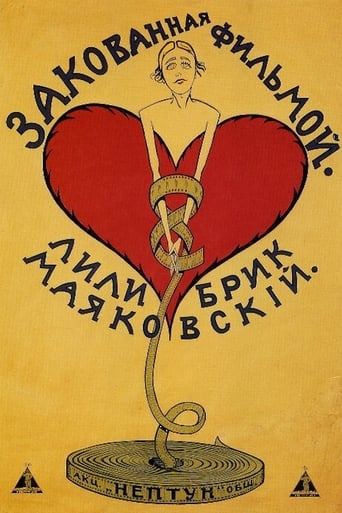
Mayakovsky had a complex romantic life that included relationships with several women who influenced his work. His most significant relationship was with Lilya Brik, who became his muse and lifelong companion despite her marriage to Osip Brik. He also had relationships with artist Tatiana Yakovleva and actress Veronica Polonskaya. His personal life was marked by intense passion, political commitment, and artistic struggle. His final years were plagued by depression, creative frustration, and disillusionment with the Soviet cultural establishment.
Education
Self-taught poet and artist; briefly attended Stroganov School of Industrial Art (1908-1910) but was expelled for political activities
Family
- Never formally married
Did You Know?
- His father was a forester who died of blood poisoning after a splinter injury when Mayakovsky was 11 years old
- He was expelled from school for political activities and spent 11 months in prison for revolutionary activities
- He was unusually tall for his time at 6'3" (189 cm)
- He designed his own distinctive clothing, often wearing a yellow shirt that became his trademark
- His poem 'A Cloud in Trousers' was written in just three days
- He was one of the first poets to give public poetry readings in the Soviet Union
- His suicide note read: 'The love boat has crashed against the daily routine'
- Stalin personally intervened to preserve Mayakovsky's legacy after his death
- He never received formal education beyond elementary school but was fluent in multiple languages
- His apartment in Moscow has been preserved as a museum exactly as it was at the time of his death
In Their Own Words
In our sea of storms, I am the only swimmer who cannot swim.
Art is not a mirror held up to reality but a hammer with which to shape it.
I want the globe to spin around my name.
Poetry is the same as getting carts out of the mud.
You are a woman, and I am a man. This is the beginning of everything.
I know the power of words, I know words' tocsin. They're not the kind praised by the posh and polished.
Down with your love, down with your art, down with your religion, down with your social order.
Frequently Asked Questions
Who was Vladimir Mayakovsky?
Vladimir Mayakovsky was a revolutionary Russian poet, playwright, artist, and actor who was a leading figure in the Russian Futurist movement. He is best known for his experimental poetry that broke with traditional forms and his passionate support for the Bolshevik Revolution, though his relationship with the Soviet authorities was often complex and contentious.
What films is Vladimir Mayakovsky best known for?
Mayakovsky is primarily known for his starring role in 'The Young Lady and the Hooligan' (1918), a silent film that showcased his Futurist acting style. While his film career was brief, this performance has become legendary in cinema history for its avant-garde approach and embodiment of revolutionary artistic principles.
When was Vladimir Mayakovsky born and when did he die?
Vladimir Mayakovsky was born on July 19, 1893, in Baghdati, Kutais Governorate, Russian Empire (now Georgia), and died by suicide on April 14, 1930, in Moscow, Soviet Union, at the age of 36.
What awards did Vladimir Mayakovsky win?
During his lifetime, Mayakovsky did not receive formal awards in the traditional sense, as he was often at odds with official Soviet cultural institutions. However, he received posthumous recognition including numerous streets and institutions named after him throughout the former Soviet Union, and he is now recognized as a classic of Russian and world literature.
What was Mayakovsky's acting style?
Mayakovsky's acting style was distinctly Futurist and anti-naturalistic, characterized by exaggerated gestures, mechanical movements, and declamatory delivery. He approached performance as an extension of his poetic experimentation, deliberately rejecting traditional theatrical conventions in favor of bold, revolutionary expression that embodied the avant-garde spirit of his time.
Learn More
Films
2 films