Dan Gordon
Director
Born: 1909 in United States Died: 1989 Active: 1936-1943 (animation), 1940s-1970s (comics) Birth Name: Daniel Gordon
About Dan Gordon
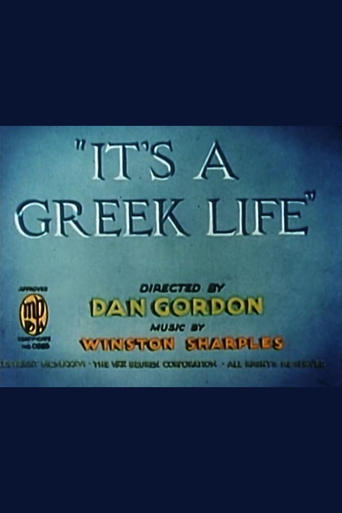
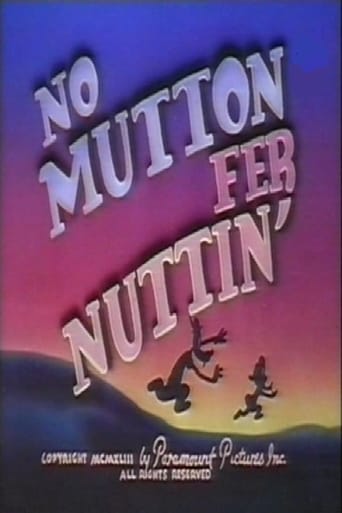
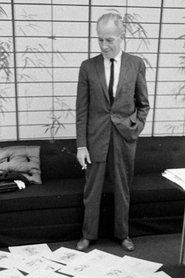
Dan Gordon was an American animator and comic book artist who worked during the Golden Age of animation and comics. Born in 1909, he began his career in the animation industry in the early 1930s, working for various studios including Van Beuren Studios and Fleischer Studios. Gordon transitioned between animation and comic books throughout his career, becoming particularly known for his work on comic book series like 'The Fox and the Crow' for DC Comics and 'Superhero' comics for Timely/Marvel. During his animation period from 1936-1943, he directed several animated shorts, including 'It's a Greek Life' (1936) and 'No Mutton fer Nuttin'' (1943). After World War II, Gordon focused primarily on comic book art, where he developed a distinctive style characterized by dynamic action sequences and expressive character designs. His career spanned multiple decades and encompassed both the burgeoning animation industry and the Golden Age of comic books, making him a versatile figure in American popular culture. Gordon's work influenced both animation and comic book art, though he remains less remembered than some of his contemporaries.
The Craft
Behind the Camera
Known for directing animated shorts with comedic elements and character-driven stories, typical of the animation style of the late 1930s and early 1940s
Milestones
- Directed animated shorts for Van Beuren Studios
- Worked on Fleischer Studios animations
- Created comic book art for DC Comics
- Illustrated 'The Fox and the Crow' series
- Contributed to Timely/Marvel Comics superhero titles
- Transitioned successfully from animation to comic books
Best Known For
Must-See Films
Working Relationships
Worked Often With
Studios
Why They Matter
Impact on Culture
Dan Gordon contributed to the development of American animation during its formative years and helped establish visual conventions in comic book art during the Golden Age. His work in both mediums reflected and shaped popular entertainment tastes of the 1930s and 1940s. While not as widely remembered as some contemporaries, his artistic contributions influenced subsequent generations of animators and comic book artists, particularly in the areas of character design and visual storytelling.
Lasting Legacy
Gordon's legacy lies in his dual contributions to both animation and comic book art during their respective golden ages. His animated shorts represent the style and humor of early American animation, while his comic book work helped establish visual storytelling techniques that would influence the medium for decades. His ability to transition between these two related but distinct art forms demonstrates the versatility of artists working in American popular culture during the mid-20th century.
Who They Inspired
Gordon influenced later comic book artists through his dynamic action sequences and character designs. His animation work contributed to the development of short-form animated storytelling techniques that would become standard in the industry. Artists who followed in both fields built upon the visual language and storytelling approaches that Gordon and his contemporaries helped establish.
Off Screen
Dan Gordon was married and had children, though specific details about his family life are limited in historical records. He lived through the transition from silent films to sound animation and witnessed the birth of the comic book industry. His career spanned multiple decades, during which he adapted to changing technologies and artistic styles in both animation and comic book art.
Education
Educational background not widely documented, typical of many artists of his era who learned through apprenticeship and on-the-job training
Family
- Information not widely available
Did You Know?
- Primarily known as a comic book artist rather than a film director
- Worked during the transition from silent to sound animation
- Contributed to both animation and comic books during their respective golden ages
- His animated shorts were produced during the height of the Hollywood studio system
- Like many artists of his era, he moved between different studios and media types
- His comic book work included contributions to early superhero comics
- The titles of his animated shorts reflect the comedic style of the era
- He was part of the generation of artists who helped establish American visual pop culture
In Their Own Words
Information not widely available
Frequently Asked Questions
Who was Dan Gordon?
Dan Gordon was an American animator and comic book artist who worked during the Golden Age of both animation and comics. He directed animated shorts in the 1930s and 1940s and later became known for his comic book artwork, particularly for DC Comics and Marvel Comics.
What films is Dan Gordon best known for?
Gordon is best known for directing the animated shorts 'It's a Greek Life' (1936) and 'No Mutton fer Nuttin'' (1943). However, he was more widely recognized for his comic book work, including his contributions to 'The Fox and the Crow' series and various superhero comics.
When was Dan Gordon born and when did he die?
Dan Gordon was born in 1909 and died in 1989, living through the major developments in both animation and comic book history during the 20th century.
What awards did Dan Gordon win?
There are no widely documented awards or honors specifically attributed to Dan Gordon, which was common for many animation and comic book artists of his era who worked behind the scenes.
What was Dan Gordon's directing style?
Gordon's directing style in animation reflected the comedic, character-driven approach typical of animated shorts in the late 1930s and early 1940s. His work emphasized humor and visual gags, consistent with the family-friendly entertainment of the period.
Learn More
Films
2 films