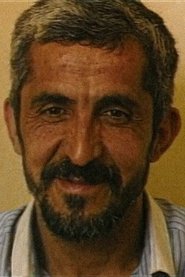
Hossain Sabzian
Actor
Born: 1954 in Tehran, Iran Died: September 29, 2006 Active: 1990-1996
About Hossain Sabzian
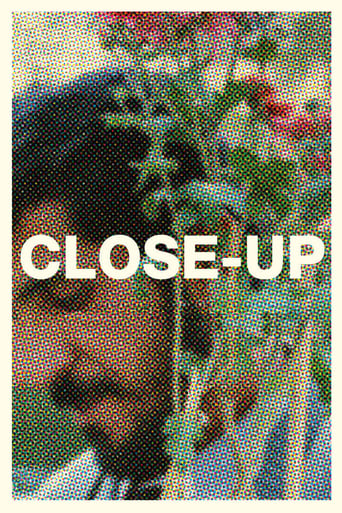
Hossain Sabzian was an impoverished Iranian book enthusiast and cinephile whose life became the subject of one of the most celebrated works in world cinema history. In 1989, while riding a bus, he struck up a conversation with a woman named Mahrokh Ahankhah, claiming to be the famous film director Mohsen Makhmalbaf. This deception led to him being invited into the Ahankhah family home, where he spent several days promising to cast them in his next film before he was eventually arrested for fraud. Director Abbas Kiarostami read about the case in a magazine and rushed to the trial, eventually convincing the judge to allow him to film the proceedings. Sabzian's defense was deeply moving; he claimed his impersonation was born out of a profound love for art and a desire to be respected, rather than a wish to steal. Following the trial, he played himself in the resulting film, 'Close-Up', which blurred the lines between documentary and fiction. Despite the international fame the film brought to his story, Sabzian lived a life of continued hardship and remained a tragic figure of the 'cinema-mad' generation in Iran.
The Craft
On Screen
Sabzian did not possess a formal acting style; rather, he practiced a form of 'radical self-representation' or 'hyper-reality.' In 'Close-Up,' he reenacted his own life events and legal trial with a raw, emotional transparency that blurred the distinction between a person and a performer. His performance is characterized by a profound sense of melancholy, intellectual yearning, and a desperate sincerity that forced audiences to sympathize with his 'crime.' He utilized his own genuine obsession with cinema to fuel his presence on screen, making him the definitive example of a non-professional actor in the Iranian New Wave.
Milestones
- Subject and lead actor of Abbas Kiarostami's 'Close-Up' (1990)
- Participated in the documentary 'Close-Up Long Shot' (1996) which explored his life after the film
- Became a global symbol for the transformative and sometimes obsessive power of cinema
- His trial footage is considered one of the most authentic depictions of human vulnerability in film history
- The film he starred in was voted the 17th greatest film of all time in the 2022 Sight & Sound critics' poll
Best Known For
Iconic Roles
Must-See Films
Accolades
Won
- Special Mention for the film 'Close-Up' at the Montreal World Film Festival (1990)
- FIPRESCI Prize (awarded to the film) at the Istanbul International Film Festival (1991)
Nominated
- Best Film nomination (Close-Up) at the Fajr Film Festival (1990)
Special Recognition
- Subject of extensive academic study in film theory regarding 'The Ethics of the Image'
- Recognized by the British Film Institute as a central figure in the history of Iranian Cinema
Working Relationships
Worked Often With
Studios
Why They Matter
Impact on Culture
Sabzian’s impact on cinema is monumental, as he is the human face of the 'cinephilia' phenomenon. Through him, the world understood the power of film to provide identity to the marginalized. 'Close-Up' changed the landscape of international cinema by proving that a simple, real-life legal case involving an ordinary man could be transformed into a profound philosophical inquiry into truth and art. He became a cult figure among film students and theorists, representing the 'spectator' who wishes so badly to be part of the 'spectacle' that he breaks the law to achieve it.
Lasting Legacy
His legacy is inextricably linked to the masterpiece 'Close-Up,' which is frequently cited by directors like Martin Scorsese and Quentin Tarantino as a pivotal work of art. Sabzian remains the ultimate symbol of the 'non-actor' in cinema history, proving that reality can be more cinematic than fiction. His life story continues to be taught in film schools globally as a lesson in empathy and the blurred lines between documentary and narrative filmmaking.
Who They Inspired
He influenced a generation of Iranian filmmakers to seek stories in the lives of everyday people. His vulnerability on screen influenced the 'docufiction' movement, encouraging directors to use real people to play themselves in dramatized versions of their own lives.
Off Screen
Sabzian was a divorced father who lived in extreme poverty in Tehran. He was a former print-shop worker who found solace in literature and cinema to escape the bleakness of his socio-economic reality. His obsession with film was so great that he often spent his meager earnings on books and movie tickets rather than basic necessities. He died in 2006 after suffering from a respiratory ailment, having never achieved the artistic career he dreamed of during his impersonation of Makhmalbaf.
Education
Self-educated through extensive reading of Persian literature and film criticism.
Family
- Unnamed ex-wife (divorced prior to 1989)
Did You Know?
- The book he was carrying when he met the Ahankhah family was 'The Cyclist' by Mohsen Makhmalbaf.
- He died in a hospital in Tehran after falling into a coma due to a lung infection.
- During his actual trial, the judge was so moved by Sabzian's love for cinema that he facilitated a reconciliation between him and the family he defrauded.
- The famous final scene of 'Close-Up' features a real-life meeting between Sabzian and his idol, Mohsen Makhmalbaf.
- The audio in the final scene of 'Close-Up' was intentionally 'broken' by Kiarostami to protect the privacy of Sabzian's emotional breakdown, though some claim it was a technical error.
- Sabzian once stated that he felt more like Makhmalbaf than Makhmalbaf did himself.
- He was often seen wandering the streets of Tehran in his later years, still carrying books and talking about cinema.
In Their Own Words
I'm not a fraud. I'm just a lover of art.
When I play the role of a director, I feel I am someone else. I am no longer the poor, miserable Sabzian.
Cinema is a part of my life. It is my life.
I wanted to tell them that art is not just for the rich; it belongs to everyone who has a heart.
Frequently Asked Questions
Who was Hossain Sabzian?
Hossain Sabzian was an Iranian man who gained international fame for impersonating director Mohsen Makhmalbaf, an act that became the subject of Abbas Kiarostami's 1990 film 'Close-Up'.
What films is Hossain Sabzian best known for?
When was Hossain Sabzian born and when did he die?
He was born in 1954 in Tehran, Iran, and passed away on September 29, 2006, due to a respiratory illness.
What awards did Hossain Sabzian win?
While he did not win individual acting awards, the film 'Close-Up' in which he was the central figure won numerous international prizes, including the FIPRESCI Prize.
What was Hossain Sabzian's acting style?
He was a non-professional actor who practiced 'self-reenactment,' bringing a raw, intellectual, and deeply emotional honesty to his portrayal of his own life events.
Learn More
Films
1 film