Winston Churchill
Actor
Born: November 30, 1874 in Blenheim Palace, Woodstock, Oxfordshire, England Died: January 24, 1965 Active: 1943-1945 (film appearances) Birth Name: Winston Leonard Spencer-Churchill
About Winston Churchill
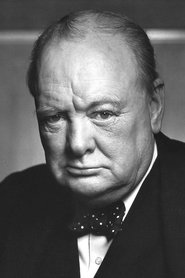
Winston Leonard Spencer-Churchill was not a professional actor but rather one of the most significant political figures of the 20th century who appeared in documentary films through archival footage and newsreels. Born into the aristocratic Spencer-Churchill family, he served as a soldier, journalist, writer, and statesman before becoming Prime Minister of the United Kingdom during World War II. His powerful oratory and leadership during Britain's darkest hour made him an iconic figure whose speeches and appearances were frequently captured on film for newsreels and propaganda documentaries. His appearances in films like 'Why We Fight' and 'The True Glory' consist of authentic footage of his wartime speeches, broadcasts, and public appearances rather than scripted performances. Beyond his political career, Churchill was a prolific writer who won the Nobel Prize in Literature in 1953 for his historical writings and memoirs. His distinctive appearance, with bowler hat, cigar, and V-sign gesture, made him instantly recognizable in film footage that has since become historical documentation of the wartime era.
The Craft
On Screen
Not applicable - appeared in archival footage rather than acting performances
Milestones
- Prime Minister of the United Kingdom (1940-1945, 1951-1955)
- Nobel Prize in Literature (1953)
- Led Britain through World War II
- Delivered iconic wartime speeches captured on film
- Appeared in historical documentary footage
Best Known For
Iconic Roles
Must-See Films
Accolades
Won
- Nobel Prize in Literature (1953)
- Order of Merit (1946)
- Knight of the Garter (1953)
Special Recognition
- First person to be made an Honorary Citizen of the United States (1963)
- Numerous military decorations
- Multiple honorary degrees from universities worldwide
Working Relationships
Worked Often With
Why They Matter
Impact on Culture
Churchill's film appearances in wartime documentaries had a profound impact on both contemporary audiences and historical documentation. His speeches captured on film, particularly his 'We shall fight on the beaches' address and his V-sign gestures, became iconic symbols of British resistance and determination. These appearances helped shape the narrative of World War II for future generations, providing authentic visual documentation of wartime leadership. His presence in Frank Capra's 'Why We Fight' series was instrumental in American understanding of the European conflict, while 'The True Glory' showcased his role in Allied victory. The footage has since been used in countless documentaries, educational programs, and historical films, cementing his image as one of the most recognizable figures of the 20th century.
Lasting Legacy
Churchill's legacy in film is that of a historical figure whose authentic appearances have become invaluable primary sources for understanding World War II. His speeches and public appearances captured on camera provide future generations with direct access to the leadership style and oratory that helped shape the outcome of the war. The documentary footage featuring Churchill has preserved not just his words but his mannerisms, expressions, and the emotional weight of his leadership during Britain's finest hour. These appearances have contributed to his mythologization in popular culture and continue to serve as powerful educational tools about the war era.
Who They Inspired
Churchill's filmed speeches and appearances have influenced countless filmmakers, documentarians, and historians in their portrayals of World War II. His distinctive speaking style and visual presence set a standard for political leadership on camera that has been studied and emulated by subsequent generations of politicians. The authenticity and power of his wartime broadcasts demonstrated how film could be used as a tool for leadership and mass communication during crisis. His appearances in these early documentaries helped establish the importance of preserving authentic historical footage for future generations.
Off Screen
Churchill married Clementine Ogilvy Hozier in 1908 and they remained married until his death in 1965. He was a devoted family man despite his demanding political career and frequent absences. He had five children: Diana, Randolph, Sarah, Marigold (who died in infancy), and Mary. Churchill struggled with what he called his 'black dog' of depression throughout his life but found solace in painting, writing, and bricklaying as hobbies. His personal relationship with Franklin D. Roosevelt was crucial to the Allied war effort, and their correspondence and meetings were extensively documented in newsreel footage.
Education
Harrow School, Royal Military College, Sandhurst
Family
- Clementine Ogilvy Hozier (1908-1965)
Did You Know?
- Churchill was the first person to be made an Honorary Citizen of the United States
- He won the Nobel Prize in Literature despite never having published a novel
- His famous V-sign gesture was actually suggested to him by a Belgian minister
- Churchill appeared in over 50 newsreel films during his lifetime
- He was an accomplished painter, producing over 500 paintings in his lifetime
- Churchill's speeches were recorded and broadcast worldwide, making him one of the first truly global media personalities
- He escaped from a prison camp during the Boer War, an adventure that made him famous
- Churchill was distantly related to Princess Diana through the Spencer family
- He invented the term 'Iron Curtain' in a 1946 speech
- Churchill's mother was American, born in Brooklyn, New York
In Their Own Words
We shall fight on the beaches, we shall fight on the landing grounds, we shall fight in the fields and in the streets, we shall fight in the hills; we shall never surrender.
I have nothing to offer but blood, toil, tears and sweat.
Never in the field of human conflict was so much owed by so many to so few.
This was their finest hour.
The price of greatness is responsibility.
Frequently Asked Questions
Who was Winston Churchill?
Winston Churchill was the British Prime Minister who led the United Kingdom through World War II, appearing in documentary films through archival footage rather than as a professional actor. He was also a writer, historian, and Nobel Prize winner.
What films is Winston Churchill best known for?
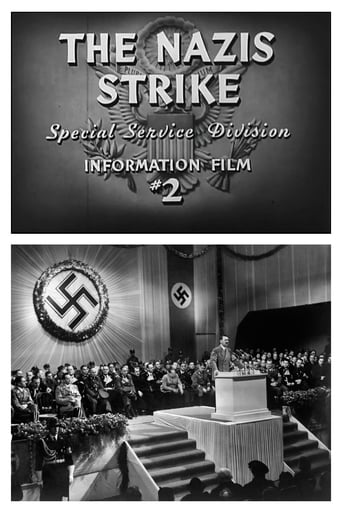
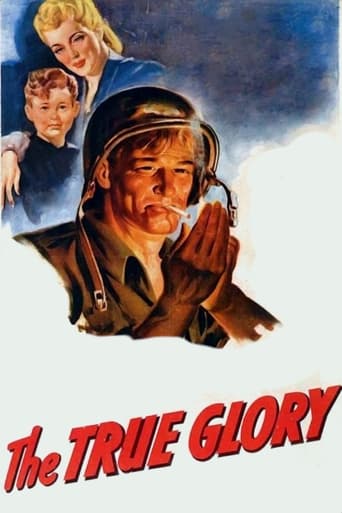
Churchill appears in the 'Why We Fight' documentary series including 'The Nazis Strike' and 'Divide and Conquer' (both 1943), as well as 'The True Glory' (1945). These are historical documentaries featuring authentic wartime footage.
When was Winston Churchill born and when did he die?
Winston Churchill was born on November 30, 1874, at Blenheim Palace in England, and died on January 24, 1965, at the age of 90 in London.
What awards did Winston Churchill win?
Churchill won the Nobel Prize in Literature in 1953, along with numerous military honors and civilian distinctions including being made an Honorary Citizen of the United States.
What was Winston Churchill's role in these films?
Churchill did not 'act' in these films but rather appeared through authentic archival footage of his wartime speeches, broadcasts, and public appearances that were incorporated into these documentaries.
Learn More
Films
3 films