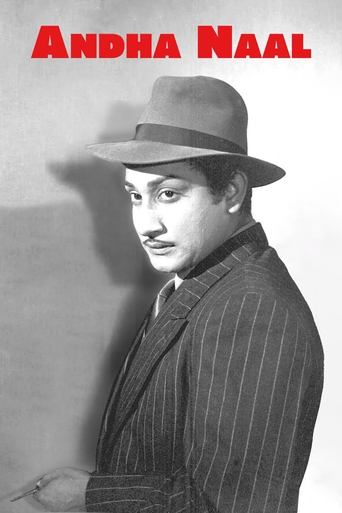
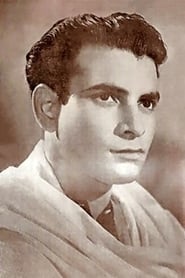
S. Balachander
Director
Born: January 18, 1927 in Chennai (Madras), Tamil Nadu, India Died: April 13, 1990 Active: 1934-1990 (Film career: 1934-1954) Birth Name: Sundaram Balachander
About S. Balachander
Sundaram Balachander, known professionally as S. Balachander, was a multifaceted Indian artist who made significant contributions to cinema as a director, actor, and composer, though he was primarily renowned as a veena virtuoso. Born into a family of musicians, Balachander began his career as a child actor in Tamil films during the 1930s and 1940s, appearing in numerous productions. His most significant cinematic achievement came in 1954 when he directed 'Andha Naal,' a groundbreaking Tamil film that revolutionized Indian cinema with its noir aesthetics and songless narrative. This film stood apart from conventional Indian cinema of its era, featuring a non-linear storytelling structure and psychological depth rarely seen in regional films at the time. Despite the critical acclaim and artistic success of 'Andha Naal,' Balachander did not pursue directing as a primary career, instead focusing on his musical career where he achieved international recognition as a master of the veena. His single directorial venture left an indelible mark on Tamil cinema, influencing generations of filmmakers with its technical innovation and narrative sophistication. Balachander's artistic legacy spans multiple disciplines, but his contribution to cinema remains defined by this one masterful work that challenged the boundaries of Indian filmmaking in the 1950s.
The Craft
Behind the Camera
Innovative and experimental, incorporating film noir elements, non-linear narrative structure, and psychological depth, with a focus on storytelling through visual techniques rather than musical interludes
Milestones
- Directed the pioneering Tamil noir film 'Andha Naal' (1954)
- Child actor in numerous Tamil films during the 1930s-1940s
- Internationally acclaimed veena performer
- Composed music for several films
- Pioneered songless narrative format in Tamil cinema
Best Known For
Iconic Roles
Must-See Films
Accolades
Won
- Kalaimamani Award from Tamil Nadu Government
- Sangeet Natak Akademi Award
- Padma Bhushan (posthumous)
Nominated
- Filmfare Awards South nominations for 'Andha Naal'
Special Recognition
- Recognized as one of the greatest veena players of all time
- Honored at international music festivals worldwide
- Cultural ambassador for Indian classical music
Working Relationships
Worked Often With
Studios
Why They Matter
Impact on Culture
S. Balachander's 'Andha Naal' revolutionized Tamil cinema by breaking away from the conventional song-and-dance format that dominated Indian films of the era. The film's noir aesthetic and complex narrative structure introduced Tamil audiences to sophisticated storytelling techniques previously unseen in regional cinema. His work demonstrated that Indian films could achieve artistic success without relying on musical interludes, paving the way for more experimental and realistic filmmaking in South Indian cinema. The film's psychological depth and technical excellence set new standards for Tamil cinema, influencing filmmakers to explore more complex themes and narrative structures.
Lasting Legacy
Balachander's legacy in cinema is defined by one groundbreaking film that continues to be studied and admired by film scholars and enthusiasts. 'Andha Naal' is regularly featured in retrospectives of classic Indian cinema and is considered a masterpiece of Tamil noir. His influence extends beyond cinema into the world of classical music, where he revolutionized veena playing techniques and brought the instrument to international prominence. The film's innovative approach to storytelling and technical excellence continues to inspire contemporary filmmakers in Tamil cinema and beyond.
Who They Inspired
Balachander influenced generations of Tamil filmmakers to experiment with narrative structure and visual storytelling. His work demonstrated that regional cinema could achieve artistic excellence without conforming to commercial formulas. Contemporary directors like Mani Ratnam and Shankar have cited 'Andha Naal' as an inspiration for their approach to filmmaking. In music, his innovative veena techniques influenced classical musicians worldwide and helped popularize Indian classical music on international stages.
Off Screen
Balachander came from a family deeply rooted in music and arts. He was married and had children who continued his musical legacy. Despite his film career, his primary devotion remained to music, particularly the veena, which he considered his life's calling. He balanced his artistic pursuits with family life and was known as a dedicated teacher and mentor to young musicians.
Education
Self-taught musician with formal training in classical music, studied at P.S. High School, Chennai
Family
- Lakshmi Balachander
Did You Know?
- 'Andha Naal' was the first Tamil film without songs
- The film was inspired by Japanese film 'Rashomon'
- Balachander was a child prodigy who began playing veena at age 5
- He composed music for films even before directing
- Despite his film success, he considered music his primary calling
- He performed at prestigious venues including Carnegie Hall
- He invented new playing techniques for the veena
- The film's negative was lost for years before being restored
- He was fluent in multiple languages including Tamil, English, and Sanskrit
- He refused many film offers to focus on music
In Their Own Words
Music is not just an art form, it's a way of life
Cinema should reflect reality, not escape from it
The veena has its own soul; we are merely its interpreters
Art has no boundaries, only interpretations
True innovation comes from breaking traditions respectfully
Frequently Asked Questions
Who was S. Balachander?
S. Balachander was a multifaceted Indian artist best known as a veena virtuoso and the director of the groundbreaking 1954 Tamil film 'Andha Naal.' Though he had a brief but impactful career in cinema as an actor and director, his primary legacy lies in revolutionizing veena playing and bringing Indian classical music to international prominence.
What films is S. Balachander best known for?
S. Balachander is best known for directing 'Andha Naal' (1954), a revolutionary Tamil noir film that broke away from conventional Indian cinema by eliminating songs and featuring a non-linear narrative structure. He also acted in numerous Tamil films during the 1930s and 1940s as a child artist.
When was S. Balachander born and when did he die?
S. Balachander was born on January 18, 1927, in Chennai (then Madras), Tamil Nadu, India. He passed away on April 13, 1990, at the age of 63, leaving behind a rich legacy in both cinema and classical music.
What awards did S. Balachander win?
Balachander received numerous honors including the Kalaimamani Award from the Tamil Nadu government, the Sangeet Natak Akademi Award for his contributions to music, and was posthumously awarded the Padma Bhushan, India's third-highest civilian award, for his artistic achievements.
What was S. Balachander's directing style?
Balachander's directing style was innovative and experimental, characterized by film noir aesthetics, non-linear storytelling, and psychological depth. He pioneered the songless narrative format in Tamil cinema and emphasized visual storytelling techniques over traditional musical interludes, creating a unique cinematic experience.
Why is 'Andha Naal' considered significant in Indian cinema?
'Andha Naal' is considered significant because it was the first Tamil film without songs, featured a non-linear narrative structure, and incorporated film noir elements rarely seen in Indian cinema of the 1950s. The film's technical innovation and psychological complexity set new standards for regional filmmaking.
Did S. Balachander direct any other films?
Despite the critical success of 'Andha Naal,' S. Balachander did not direct any other films. He chose to focus on his musical career, where he achieved international acclaim as a veena virtuoso, considering music his primary artistic calling.
Learn More
Films
1 film