Harry Solter

Harry Solter

Actor

Born: November 19, 1873 in Baltimore, Maryland, USA Died: March 2, 1928 Active: 1908-1925 Birth Name: Harold E. Solter

About Harry Solter

Harry Solter was a pioneering American actor and director who played a significant role in the early days of silent cinema. Born in Baltimore, Maryland, he began his career as a stage actor before transitioning to the fledgling film industry in the late 1900s. Solter quickly became one of the most recognizable leading men at Biograph Studios, working extensively with director D.W. Griffith and appearing in numerous one-reel shorts between 1908 and 1912. His performances were characterized by a naturalistic approach that was ahead of its time in the theatrical era of early cinema. After establishing himself as a popular actor, Solter transitioned successfully to directing in 1912, helming over 200 films throughout his career. He married actress Florence Lawrence in 1912, and together they became one of early Hollywood's power couples, with Solter often directing his wife in starring roles. His career was cut tragically short by health issues in the 1920s, leading to his death in 1928 at the age of 51.

The Craft

On Screen

Naturalistic and understated for the era, moving away from the exaggerated theatrical gestures common in early silent films. Solter brought a more subtle, realistic approach to his performances that helped establish the foundation for modern screen acting.

Milestones

  • Leading actor at Biograph Studios (1908-1912)
  • Transitioned to directing in 1912
  • Directed over 200 films
  • Married 'America's First Movie Star' Florence Lawrence
  • Formed production company with Victor Film Company

Best Known For

Iconic Roles

  • Leading man in Biograph shorts
  • Romantic hero in early melodramas

Must-See Films

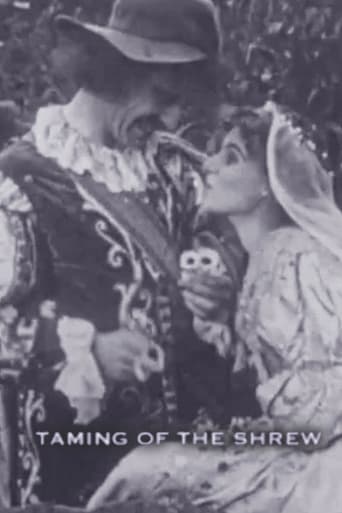
  • The Taming of the Shrew
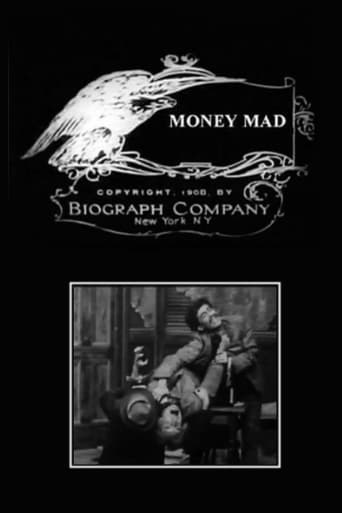
  • Money Mad
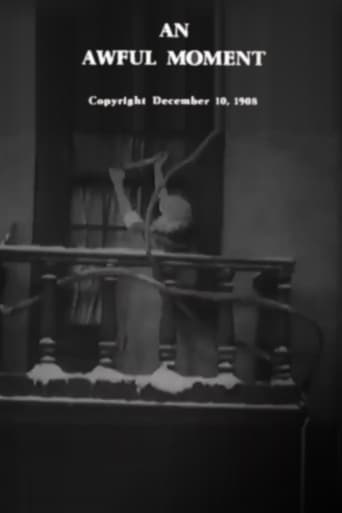
  • An Awful Moment
  • The Zulu's Heart
  • Father Gets in the Game
  • The Way of Man
  • The Stolen Voice
  • ],
  • awards
  • nominations
  • honors
  • personalLife
  • Harry Solter married Florence Lawrence, known as 'The Biograph Girl' and considered America's first movie star, in 1912. Their marriage was both personal and professional, with Solter frequently directing his wife in her starring roles. The couple had two children together, but their marriage ended in divorce in 1920. Solter's later years were marked by declining health, including paralysis that forced him to retire from filmmaking in the early 1920s.
  • spouses
  • children
  • education
  • Limited formal education; trained in stage acting through practical experience in traveling theater companies
  • studioAffiliations
  • frequentCollaborators
  • mentors
  • protégés
  • culturalImpact
  • Harry Solter was instrumental in establishing the foundation for American narrative cinema during its formative years. As one of Biograph Studios' leading men, he helped demonstrate the commercial viability of feature-length storytelling in film. His transition from acting to directing exemplified the career path many early film pioneers would follow, and his work with Florence Lawrence helped create the template for the Hollywood star system. Solter's efficient directing style and commercial sensibilities contributed to the development of the studio system that would dominate Hollywood for decades.
  • legacy
  • Though largely forgotten today, Harry Solter was a crucial figure in the development of early American cinema. His extensive filmography, both as an actor and director, represents a significant body of work from the silent era's most creative period. His collaboration with D.W. Griffith at Biograph Studios places him at the epicenter of early film innovation. The fact that he successfully transitioned from leading man to respected director demonstrates his versatility and understanding of the new medium. His marriage to and professional partnership with Florence Lawrence helped establish the concept of the Hollywood power couple.
  • influence
  • Solter influenced early cinema through his naturalistic acting style, which helped move film performance away from theatrical conventions toward more realistic screen acting. As a director, his efficient and commercially successful approach to filmmaking influenced the development of studio production methods. His work with star actors like Florence Lawrence helped establish the star system that would become central to Hollywood's business model. Many of the narrative techniques and performance styles he helped develop would become standard practice in American cinema.
  • trivia
  • famousQuotes
  • controversies
  • His divorce from Florence Lawrence in 1920 was highly publicized and considered scandalous for the time, though the couple remained professional. Some critics accused him of typecasting his wife in similar roles, though this was common practice in the era.
  • externalLinks
  • faq

Films

21 films