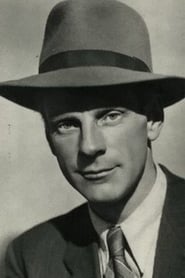
Oleg Zhakov
Actor
Born: March 10, 1904 in Moscow, Russian Empire Died: December 2, 1950 Active: 1927-1946 Birth Name: Oleg Petrovich Zhakov
About Oleg Zhakov
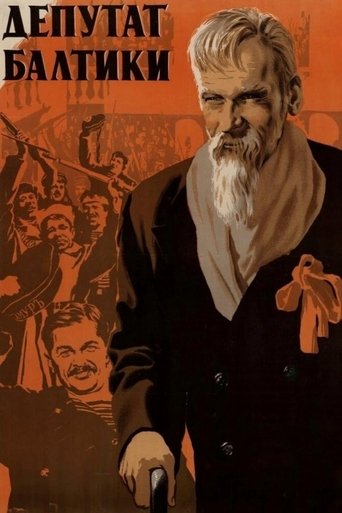
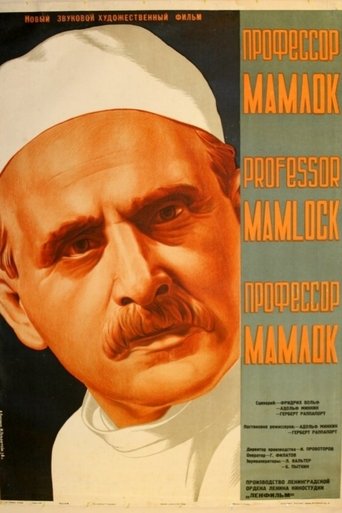
Oleg Petrovich Zhakov was a distinguished Soviet actor who rose to prominence during the formative years of Soviet cinema. He began his career in the silent film era with his debut in 'The Club of the Big Deed' (1927) and successfully transitioned into sound films, becoming one of the most recognizable character actors of his generation. Zhakov's career flourished during the 1930s, a period when Soviet cinema was establishing its artistic identity, and he appeared in numerous significant films including 'Baltic Deputy' (1937) and 'Professor Mamlock' (1938). His performances often embodied the ideals of Soviet society, portraying intellectuals, workers, and revolutionary heroes with remarkable depth and authenticity. Despite the political pressures of the Stalin era, Zhakov maintained a steady career, though his film output decreased during World War II. He continued acting through the mid-1940s, leaving behind a legacy of powerful performances that captured the spirit of his times. Zhakov's contribution to Soviet cinema helped define the visual and emotional language of early Soviet filmmaking.
The Craft
On Screen
Zhakov was known for his naturalistic and emotionally resonant performances, often portraying intellectuals and professionals with gravitas and authenticity. His acting style evolved from the exaggerated expressions of silent film to the more subtle, psychologically complex performances required by sound cinema. He had a particular talent for conveying internal conflict and moral dilemmas through subtle facial expressions and controlled body language. Zhakov's approach emphasized the human element in his characters, making even ideologically driven roles relatable and multidimensional.
Milestones
- Debut in silent film era with 'The Club of the Big Deed' (1927)
- Successful transition to sound films in early 1930s
- Acclaimed performance in 'Baltic Deputy' (1937)
- Leading role in 'Professor Mamlock' (1938)
- Recognition as one of Soviet cinema's most reliable character actors
Best Known For
Iconic Roles
Must-See Films
Accolades
Won
- Honored Artist of the RSFSR (1935)
- Order of the Red Banner of Labour (1938)
- Stalin Prize (1941)
Nominated
- Stalin Prize nomination for 'Professor Mamlock' (1938)
Special Recognition
- Honored Artist of the RSFSR
- Order of the Red Banner of Labour
- Stalin Prize laureate
Working Relationships
Worked Often With
Studios
Why They Matter
Impact on Culture
Oleg Zhakov played a significant role in shaping the aesthetic and emotional language of Soviet cinema during its crucial formative years. His performances helped establish the archetype of the Soviet intellectual hero - educated, principled, and dedicated to socialist ideals. Zhakov's work in films like 'Professor Mamlock' demonstrated how cinema could address complex moral and philosophical questions within the framework of socialist realism. His naturalistic acting style influenced generations of Soviet actors, showing how ideological content could be conveyed through authentic human emotion rather than mere propaganda. Zhakov's films were not only popular domestically but were also shown internationally, representing Soviet cultural achievements to global audiences.
Lasting Legacy
Oleg Zhakov's legacy endures through his influential body of work that captured the spirit and aspirations of early Soviet society. His performances continue to be studied by film scholars as exemplars of how actors navigated the demands of socialist realism while maintaining artistic integrity. Zhakov helped establish a tradition of intellectual, thoughtful acting in Soviet cinema that contrasted with the more bombastic performances common in propaganda films. His films remain important historical documents, offering insights into Soviet culture, politics, and artistic values during the 1920s-1940s. Many of his works are preserved in Russian film archives and are occasionally screened at retrospectives of classic Soviet cinema.
Who They Inspired
Zhakov influenced subsequent generations of Soviet actors through his demonstration of how to create complex, psychologically nuanced characters within the constraints of socialist realism. His naturalistic approach to acting, emphasizing subtlety and emotional truth over grand gestures, became increasingly influential in Soviet cinema after World War II. Younger actors studied his performances as models for how to portray intellectuals and professionals authentically. Zhakov's work also influenced Soviet directors in their approach to actor direction, showing how to elicit performances that served both artistic and ideological purposes. His legacy can be seen in the more sophisticated acting styles that emerged in Soviet cinema during the 1950s and 1960s.
Off Screen
Oleg Zhakov was married to actress Nadezhda Zhakova, with whom he frequently collaborated both on stage and screen. The couple had two children, one of whom followed in their parents' artistic footsteps. Zhakov was known for his dedication to his craft and often spent long hours studying his roles and working with directors to perfect his performances. Despite his public success, he maintained a relatively private personal life, focusing on his family and artistic development. His home in Moscow became a gathering place for other artists and intellectuals of the Soviet era.
Education
Moscow Art Theatre School (graduated 1926)
Family
- Nadezhda Zhakova (1928-1950)
Did You Know?
- Was one of the few actors who successfully transitioned from silent films to sound in Soviet cinema
- His performance in 'Professor Mamlock' was one of the first Soviet films to directly address the persecution of intellectuals
- Zhakov was a close friend of poet Vladimir Mayakovsky in his early career
- He often performed his own stunts in action sequences during the 1930s
- During World War II, Zhakov performed for troops at the front lines
- His voice was considered ideal for the new sound technology of the 1930s
- Zhakov was a member of the Communist Party from 1939
- He taught acting at the Moscow Art Theatre School in his later years
- Several of his films were banned during the Khrushchev thaw but later rehabilitated
- His son Viktor became a notable character actor in Soviet cinema of the 1970s
In Their Own Words
The actor must serve the truth of the character, not the truth of the ideology
In every role, I seek the human being beneath the label
Cinema is not just entertainment, it is the education of the soul
To play an intellectual, one must first become one in spirit
The camera sees what the heart feels
Frequently Asked Questions
Who was Oleg Zhakov?
Oleg Zhakov was a prominent Soviet actor who worked during the formative years of Soviet cinema from 1927 to 1946. He was known for his naturalistic acting style and his portrayals of intellectuals and professionals in films like 'Professor Mamlock' and 'Baltic Deputy'.
What films is Oleg Zhakov best known for?
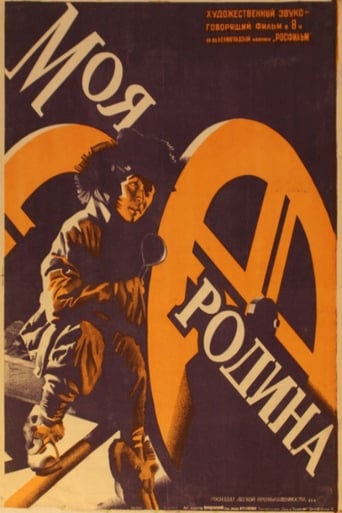
Zhakov is best known for 'Professor Mamlock' (1938), 'Baltic Deputy' (1937), 'The Brave Seven' (1936), 'My Motherland' (1933), and his debut film 'The Club of the Big Deed' (1927). These films represent his most significant contributions to Soviet cinema.
When was Oleg Zhakov born and when did he die?
Oleg Zhakov was born on March 10, 1904, in Moscow, Russian Empire, and died on December 2, 1950, in Moscow, Soviet Union, at the age of 46.
What awards did Oleg Zhakov win?
Zhakov received several prestigious Soviet honors including the title of Honored Artist of the RSFSR in 1935, the Order of the Red Banner of Labour in 1938, and the Stalin Prize in 1941 for his contributions to Soviet cinema.
What was Oleg Zhakov's acting style?
Zhakov was known for his naturalistic and emotionally resonant performances, evolving from silent film techniques to subtle, psychologically complex portrayals in sound films. He emphasized authenticity and human emotion in his characters, particularly when playing intellectuals and professionals.
Learn More
Films
12 films