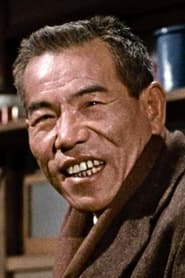
Eijirō Tōno
Actor
Born: September 17, 1907 in Tokyo, Japan Died: November 11, 1994 Active: 1940s-1994 Birth Name: Eijirō Tōno (東野英治郎)
About Eijirō Tōno
Eijirō Tōno was a distinguished Japanese actor whose career spanned nearly five decades, beginning in the early 1940s and continuing until his death in 1994. Born in Tokyo in 1907, Tōno initially worked as a bank employee before pursuing acting, studying under renowned theater director Hijikata Yoshi. He made his film debut in the 1940s and quickly established himself as a versatile character actor, capable of playing both comic and dramatic roles with equal skill. Tōno became particularly famous for his collaborations with legendary directors like Akira Kurosawa, appearing in masterpieces such as 'Seven Samurai' and 'Yojimbo'. His distinctive appearance and commanding presence made him a recognizable face in Japanese cinema, often playing authority figures, merchants, or village elders. Beyond film, Tōno was also accomplished in theater and television, becoming a respected figure in all three mediums. His later career saw him continue working steadily, earning critical acclaim for his performances well into his 80s, cementing his legacy as one of Japan's most reliable and beloved character actors.
The Craft
On Screen
Tōno was known for his naturalistic yet commanding screen presence, bringing authenticity to every role through subtle facial expressions and measured delivery. His acting style emphasized psychological depth over theatricality, allowing him to seamlessly transform into diverse characters from cunning merchants to weary villagers. He possessed a remarkable ability to convey complex emotions through minimal gestures, making him particularly effective in ensemble pieces where every character needed to feel distinct and memorable.
Milestones
- Film debut in the 1940s Japanese cinema
- Collaboration with Akira Kurosawa on multiple films
- Role in 'Seven Samurai' (1954)
- Performance in 'Yojimbo' (1961)
- Extensive work in jidaigeki (period dramas)
- Recognition as a leading character actor in post-war Japanese cinema
- Transition to television in later years
- Theater work alongside film career
Best Known For
Iconic Roles
Must-See Films
Accolades
Won
- Best Supporting Actor - Mainichi Film Concours (1960)
- Best Actor - Blue Ribbon Awards (1964)
- Order of the Rising Sun, Gold Rays with Rosette (1978)
Nominated
- Multiple Mainichi Film Award nominations throughout career
- Japan Academy Prize nominations in later career
Special Recognition
- Order of the Rising Sun, Gold Rays with Rosette
- Recognized as a Living National Treasure of Japanese cinema
- Posthumous induction into Japanese Film Hall of Fame
Working Relationships
Worked Often With
Studios
Why They Matter
Impact on Culture
Eijirō Tōno played a significant role in shaping the golden age of Japanese cinema, particularly through his contributions to the films that brought international recognition to Japanese filmmaking. His performances helped establish the archetype of the Japanese character actor, demonstrating how supporting roles could be just as crucial to a film's success as leads. Through his work with Kurosawa and other master directors, Tōno contributed to creating films that would influence cinema worldwide, particularly in the samurai genre that later inspired countless Western filmmakers. His ability to embody traditional Japanese values and archetypes while maintaining universal appeal helped bridge cultural gaps for international audiences discovering Japanese cinema.
Lasting Legacy
Tōno's legacy endures through his extensive filmography, which serves as a masterclass in character acting for aspiring performers. He is remembered as one of Japan's most reliable and versatile supporting actors, capable of elevating any production with his presence. His contributions to some of the most celebrated films in cinema history ensure that his work continues to be studied and appreciated by film scholars and enthusiasts. The naturalism and depth he brought to his roles helped establish a standard for character acting in Japanese cinema that continues to influence performers today.
Who They Inspired
Tōno influenced generations of Japanese actors through his example of professionalism and artistic dedication. His approach to character acting—emphasizing authenticity, subtlety, and psychological depth—became a model for performers specializing in supporting roles. Many contemporary Japanese character actors cite Tōno as an inspiration for demonstrating how secondary characters can leave lasting impressions on audiences. His work in internationally acclaimed films also helped establish precedents for how Japanese actors could maintain cultural specificity while achieving global recognition.
Off Screen
Tōno was known as a private individual who maintained a low public profile despite his fame. He was deeply committed to his craft and often spoke about the importance of authenticity in acting, believing that actors should draw from real-life experiences. Outside of his professional life, he was known to be an avid reader and enjoyed traditional Japanese arts, including calligraphy and tea ceremony. His dedication to his art form influenced generations of younger actors who admired his professionalism and artistic integrity.
Education
Studied under theater director Hijikata Yoshi; no formal acting school education recorded
Family
- Information not publicly available
Did You Know?
- Initially worked as a bank employee before pursuing acting
- Studied under renowned theater director Hijikata Yoshi
- Appeared in over 200 films throughout his career
- Was particularly skilled at playing authority figures and merchants
- Worked with Akira Kurosawa on multiple occasions
- Received the Order of the Rising Sun for his contributions to Japanese arts
- Continued acting well into his 80s
- Was known for his distinctive voice and commanding presence
- Helped popularize the jidaigeki (period drama) genre internationally
- Was considered one of Japan's most reliable character actors
In Their Own Words
Acting is not about pretending to be someone else, but about finding the truth within yourself that connects to the character.
In every role, no matter how small, there is a human story worth telling with honesty and dignity.
The best actors are those who disappear into their roles so completely that the audience sees only the character, never the performer.
Frequently Asked Questions
Who was Eijirō Tōno?
Eijirō Tōno was a renowned Japanese character actor who appeared in over 200 films from the 1940s until his death in 1994. He was particularly famous for his collaborations with director Akira Kurosawa and his ability to bring depth to supporting roles in Japanese cinema.
What films is Eijirō Tōno best known for?
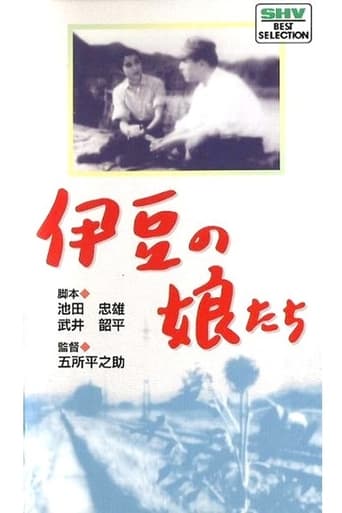
Tōno is best known for his roles in Akira Kurosawa's masterpieces including 'Seven Samurai' (1954), 'Yojimbo' (1961), 'Sanjuro' (1962), and 'High and Low' (1963). He also appeared in 'Izu no musumetachi' (1945) and worked extensively in the jidaigeki genre.
When was Eijirō Tōno born and when did he die?
Eijirō Tōno was born on September 17, 1907, in Tokyo, Japan, and passed away on November 11, 1994, at the age of 87. He maintained an active career in film, theater, and television for nearly five decades.
What awards did Eijirō Tōno win?
Tōno received several prestigious awards including Best Supporting Actor from the Mainichi Film Concours in 1960, Best Actor from the Blue Ribbon Awards in 1964, and was awarded the Order of the Rising Sun, Gold Rays with Rosette in 1978 for his contributions to Japanese arts and culture.
What was Eijirō Tōno's acting style?
Tōno was known for his naturalistic and subtle acting style, emphasizing psychological depth over theatricality. He brought authenticity to his roles through measured delivery and minimal gestures, allowing him to transform seamlessly into diverse characters while maintaining a distinctive screen presence.
Did Eijirō Tōno work with famous directors?
Yes, Tōno had extensive collaborations with legendary directors, most notably Akira Kurosawa. He appeared in multiple Kurosawa films and also worked with other prominent Japanese directors of the golden age of cinema, becoming one of the most sought-after character actors of his era.
What was Eijirō Tōno's impact on Japanese cinema?
Tōno significantly influenced Japanese cinema by helping establish the importance of character actors and demonstrating how supporting roles could be crucial to a film's success. His work in internationally acclaimed films helped bridge cultural gaps and contributed to the global recognition of Japanese cinema, particularly in the samurai genre.
Learn More
Films
1 film