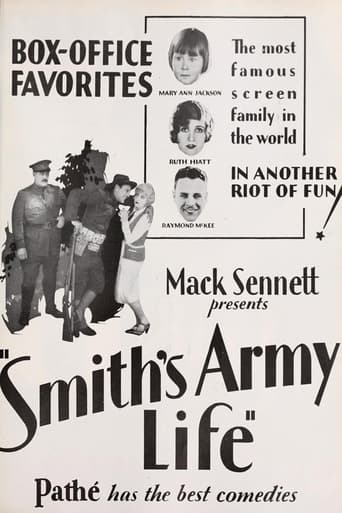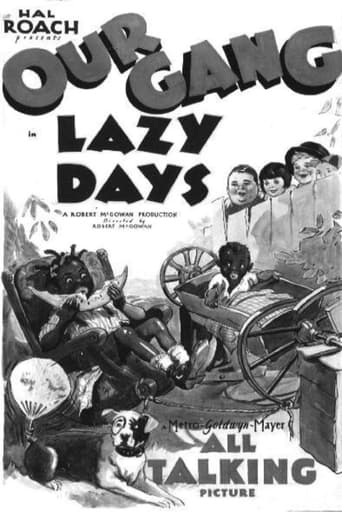
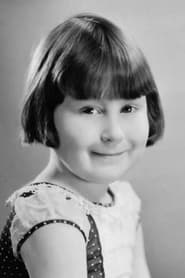
Mary Ann Jackson
Actor
Born: November 21, 1923 in Los Angeles, California, USA Died: December 3, 2003 Active: 1925-1931
About Mary Ann Jackson
Mary Ann Jackson was one of the most popular and recognizable child actresses of the late silent era, best known for her memorable tenure as a regular in Hal Roach's Our Gang comedy series from 1926 to 1929. Born into a show business family, she began her film career at the tender age of three and quickly became a fan favorite with her distinctive blonde curls and expressive acting style. Jackson's character in Our Gang was typically portrayed as somewhat bossy and precocious, often serving as the group's self-appointed leader or instigator of mischief. Her performances were noted for their naturalism and comedic timing, remarkable for such a young performer during the transitional period from silent films to sound. After leaving Our Gang at age eight, she continued acting in smaller roles through the early 1930s before retiring from entertainment entirely. Jackson later worked as a real estate agent and lived a relatively private life away from Hollywood, though she remained a beloved figure among classic film enthusiasts who remembered her contributions to early American cinema.
The Craft
On Screen
Mary Ann Jackson was known for her natural and expressive acting style that was remarkably sophisticated for a child performer of her era. She possessed a distinctive screen presence characterized by her expressive eyes, quick comedic timing, and ability to convey complex emotions without overacting. Her performances often featured a precocious, bossy demeanor that made her character memorable and relatable to audiences. Jackson had a particular talent for physical comedy and could deliver both subtle facial expressions and broader slapstick moments with equal skill, making her stand out among her young contemporaries in the Our Gang ensemble.
Milestones
- Joined Our Gang series in 1926
- Became one of the series' most popular child stars
- Appeared in over 30 Our Gang shorts
- Successfully transitioned from silent films to talkies
- Retired from acting at age 8
Best Known For
Iconic Roles
Must-See Films
Accolades
Won
- Young Hollywood Hall of Fame (inducted posthumously)
Special Recognition
- Our Gang Hall of Fame
- Child Star Hall of Fame
Working Relationships
Worked Often With
Studios
Why They Matter
Impact on Culture
Mary Ann Jackson made a significant impact on American cinema as one of the pioneering child stars of the silent era, helping to establish the template for child actors in comedy series. Her work in Our Gang contributed to the series' enduring popularity and cultural significance, with the franchise continuing to entertain audiences decades later through television syndication and home media. Jackson represented the archetype of the precocious, opinionated child character that would become a staple in family entertainment. Her successful transition from silent films to talkies demonstrated the adaptability required of early film actors during this technological revolution. The natural, unforced quality of her performances influenced how child actors would be directed in subsequent decades, moving away from the more theatrical style common in earlier cinema.
Lasting Legacy
Mary Ann Jackson's legacy endures through the continued popularity of the Our Gang films in which she starred, with many of her shorts considered classics of silent comedy. She is remembered by film historians and classic cinema enthusiasts as one of the most talented and charismatic child performers of her generation. Her decision to leave Hollywood at a young age and pursue a normal life has often been cited as an example of how child stars can successfully transition away from entertainment. Jackson's performances continue to be studied by film scholars interested in child acting techniques and the evolution of comedy in American cinema. The preservation of her work through film archives ensures that future generations can appreciate her contributions to early Hollywood history.
Who They Inspired
Jackson's natural acting style influenced subsequent generations of child actors, particularly in comedy series. Her ability to deliver subtle performances while still engaging in slapstick comedy set a standard that many young performers would emulate. The character type she developed - the bossy yet endearing child leader - became a recurring archetype in family entertainment. Her successful navigation of the transition from silent to sound films provided a model for other young actors facing similar technological changes in the industry. Many later Our Gang members cited her early work as inspiration for their own performances in the series.
Off Screen
Mary Ann Jackson was born into a family already involved in the entertainment industry, with her mother having been a stage performer. After retiring from acting in the early 1930s, she deliberately stepped away from the spotlight and pursued a normal childhood and education. She later married and had children, choosing to keep her family life private. Jackson worked for many years as a real estate agent in Southern California, successfully building a career outside of entertainment. Despite her early fame, she rarely gave interviews about her time in Hollywood and preferred to live quietly away from public attention.
Education
Los Angeles public schools after leaving acting career
Family
- Robert Cornell (m. 1949, divorced)
- Merrill W. Decker (m. 1958, until his death)
Did You Know?
- Was one of the few Our Gang members to appear in both the silent and early sound eras of the series
- Her distinctive blonde curls became her trademark and were often copied by other child actresses
- She was paid $50 per week during her peak Our Gang years, a substantial sum for a child actor in the 1920s
- Retired from acting at age 8, one of the youngest Our Gang members to leave the series voluntarily
- Her mother was a former stage actress who managed her early career
- Appeared in over 30 Our Gang shorts during her three-year tenure
- Was known on set for being professional and rarely requiring multiple takes
- After retiring, she rarely discussed her acting career, even with close friends
- Returned for a brief Our Gang reunion in the 1950s but declined to participate in television revivals
- Her films continue to air on television and are available on streaming platforms, introducing her to new generations
In Their Own Words
I just wanted to be a normal kid. Hollywood was fun, but I was ready to go home and play with my friends without cameras around.
Being in Our Gang was like having the biggest playground in the world, but sometimes I just wanted to go home and be Mary Ann, not the girl from the movies.
Frequently Asked Questions
Who was Mary Ann Jackson?
Mary Ann Jackson was a popular American child actress best known for her work in Hal Roach's Our Gang comedy series during the late 1920s. She was one of the most recognizable child stars of the silent era, appearing in over 30 shorts from 1926 to 1929 before retiring from acting at age eight.
What films is Mary Ann Jackson best known for?
Jackson is primarily known for her appearances in Our Gang shorts, including 'The Glorious Fourth' (1927), 'Heebee Jeebees' (1927), 'Dog Heaven' (1927), 'Tired Business Men' (1927), and 'The Fourth Alarm' (1926). These films showcased her talent for both physical comedy and subtle emotional performances.
When was Mary Ann Jackson born and when did she die?
Mary Ann Jackson was born on November 21, 1923, in Los Angeles, California, and passed away on December 3, 2003, at the age of 80. She lived most of her life away from the Hollywood spotlight after retiring from acting as a child.
What awards did Mary Ann Jackson win?
While Mary Ann Jackson did not receive major awards during her active years, she has been posthumously honored with inductions into the Young Hollywood Hall of Fame and the Our Gang Hall of Fame, recognizing her significant contributions to early American cinema as a child performer.
What was Mary Ann Jackson's acting style?
Jackson was known for her natural, expressive acting style that was remarkably sophisticated for a child performer of her era. She excelled at conveying complex emotions with subtle facial expressions and had excellent comedic timing, often playing precocious, bossy characters with charm and authenticity.
Learn More
Films
29 films

Moan & Groan, Inc.
1929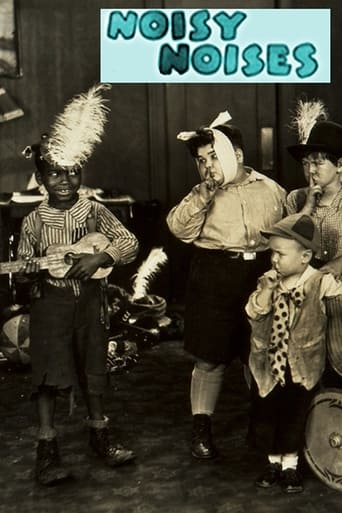
Noisy Noises
1929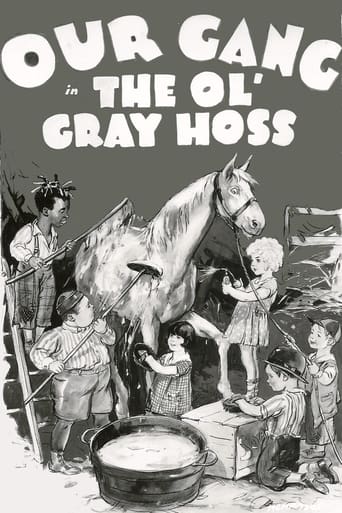
The Ol' Gray Hoss
1928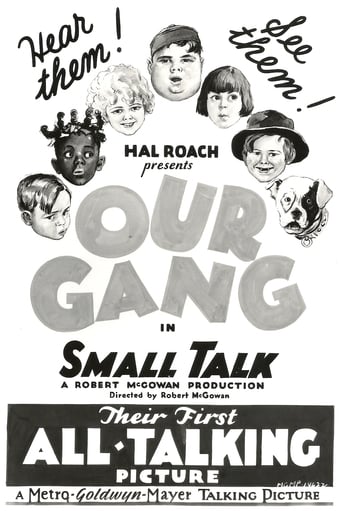
Small Talk
1929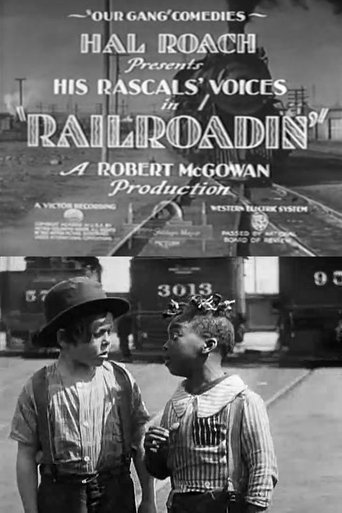
Railroadin'
1929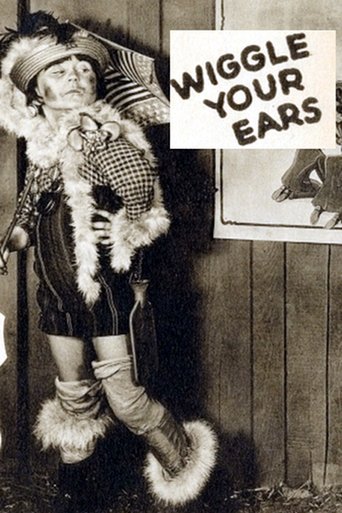
Wiggle Your Ears
1929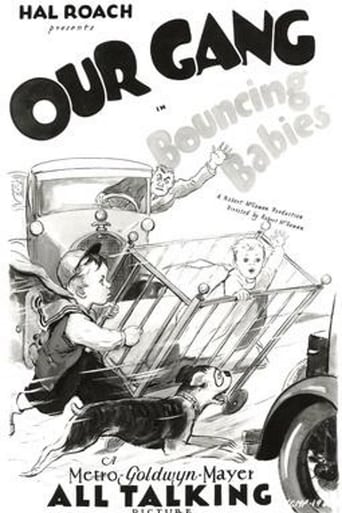
Bouncing Babies
1929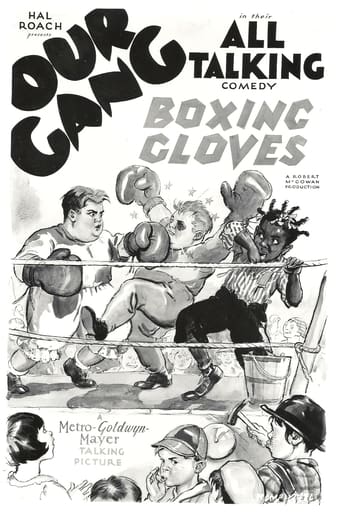
Boxing Gloves
1929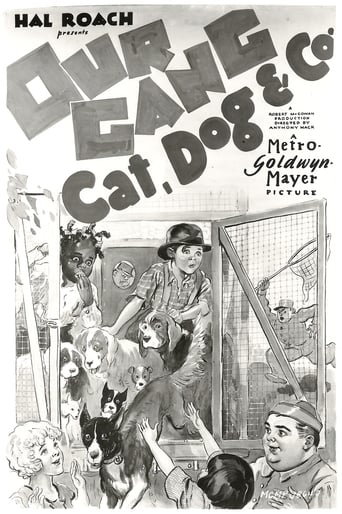
Cat, Dog & Co.
1929
Smith's Uncle
1926
Smith's Picnic
1926
Smith's Pony
1927No Poster
The Bargain Hunt
1928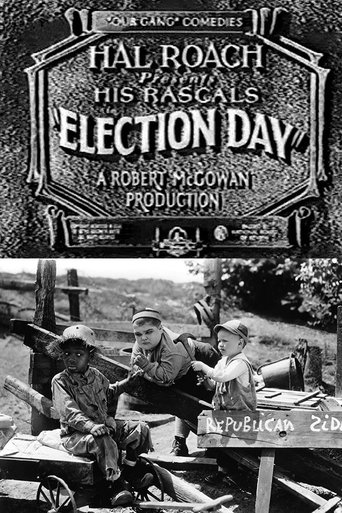
Election Day
1929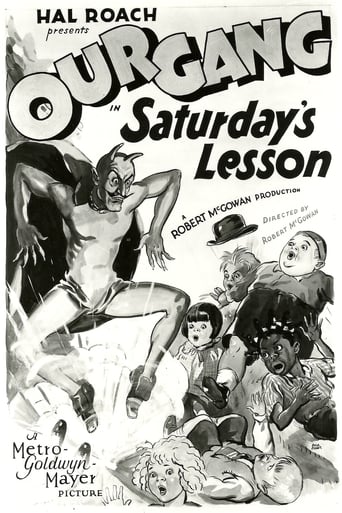
Saturday's Lesson
1929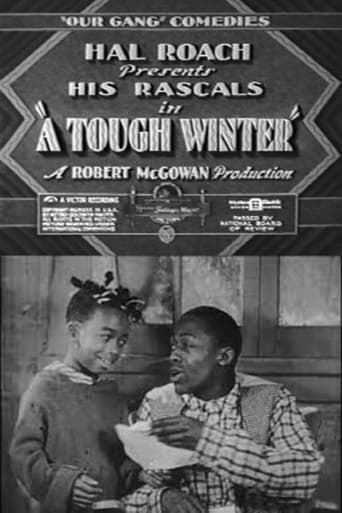
A Tough Winter
1930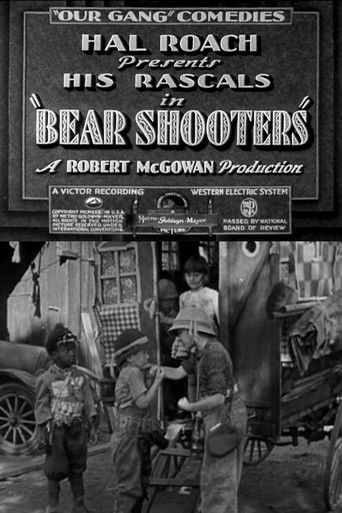
Bear Shooters
1930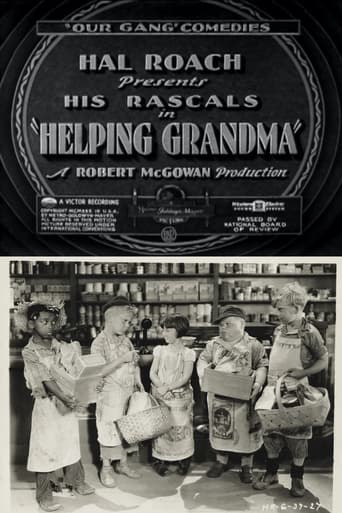
Helping Grandma
1931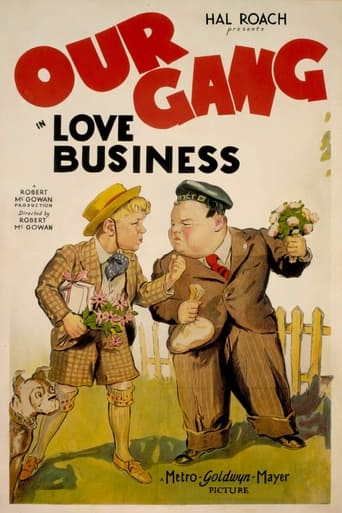
Love Business
1931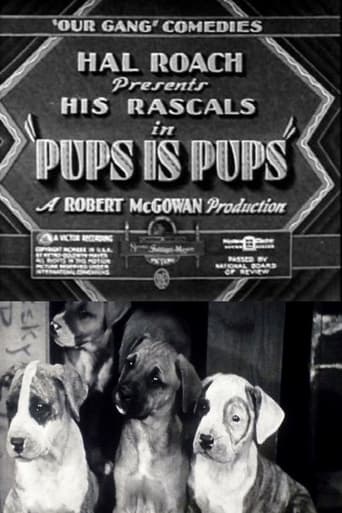
Pups Is Pups
1930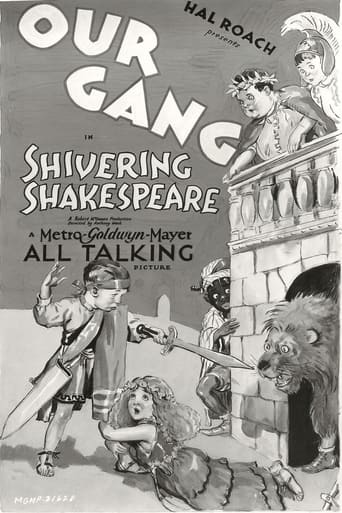
Shivering Shakespeare
1930
The First Seven Years
1930
When the Wind Blows
1930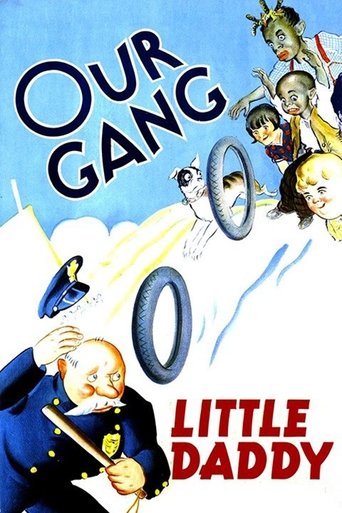
Little Daddy
1931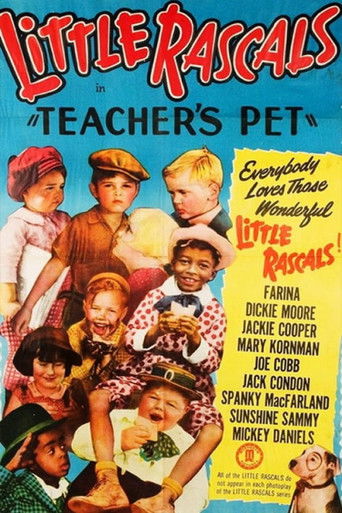
Teacher's Pet
1930
Fast Freight
1929
School's Out
1930