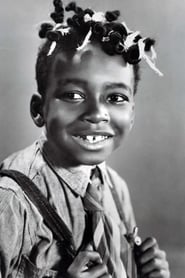
Allen 'Farina' Hoskins
Actor
Born: August 9, 1920 in Boston, Massachusetts, USA Died: July 26, 1980 Active: 1922-1943 (acting), 1922-1931 (Our Gang series) Birth Name: Allen Clayton Hoskins Jr.
About Allen 'Farina' Hoskins
Allen Clayton Hoskins Jr., known professionally as 'Farina', was one of the most recognizable child stars of the silent film era and a pioneering African-American actor in Hollywood. Discovered at age three by a talent scout while accompanying his mother to a casting call, he joined Hal Roach's Our Gang comedy series in 1922 and quickly became the ensemble's breakout star. His character Farina, known for pigtails, oversized clothes, and a perpetually worried expression, appeared in over 100 shorts between 1922 and 1931, making him one of the series' longest-tenured cast members. As talkies emerged, Hoskins' role diminished, and he was gradually phased out of the series by 1931. After leaving show business, he attended high school in Los Angeles before enlisting in the U.S. Army during World War II, serving in the Pacific Theater. Post-war, he worked various jobs including as a federal government employee, a taxi driver, and a hospital technician, largely avoiding his Hollywood past. Despite his early fame, Hoskins remained humble about his contributions to cinema and occasionally attended Our Gang reunions before his death from cancer in 1980.
The Craft
On Screen
Hoskins' acting style was characterized by his natural comedic timing and expressive facial features that conveyed both innocence and worry. His performance as Farina combined physical comedy with a unique ability to deliver emotional depth despite his young age, often serving as the emotional core of Our Gang episodes. Unlike many child actors of his era, Hoskins displayed remarkable professionalism and consistency in his performances, maintaining his character's distinctive personality across numerous films.
Milestones
- Joined Our Gang at age 3 in 1922
- Became the first African-American child star to have a regular role in a major film series
- Appeared in over 100 Our Gang shorts
- Was the highest-paid child actor in the Our Gang cast
- Transitioned successfully from silent films to talkies
- Served in the U.S. Army during World War II
Best Known For
Iconic Roles
Must-See Films
Accolades
Won
- Young Hollywood Hall of Fame (inducted posthumously)
Special Recognition
- Star on the Hollywood Walk of Fame (1994, awarded posthumously)
- Our Gang Hall of Fame (inducted as founding member)
- Recognition as a pioneering African-American performer in Hollywood
Working Relationships
Worked Often With
Studios
Why They Matter
Impact on Culture
Allen 'Farina' Hoskins broke significant racial barriers in Hollywood as one of the first African-American child stars to achieve mainstream success. His character, while sometimes criticized for perpetuating certain stereotypes of the era, was also groundbreaking in that Farina was portrayed as an equal member of the gang, participating fully in all adventures and schemes. The popularity of Hoskins' character helped introduce diversity to American audiences during a time of extreme racial segregation in the United States. His success paved the way for future African-American performers in children's programming and demonstrated that Black characters could be central to popular entertainment.
Lasting Legacy
Allen Hoskins' legacy as Farina endures through the continued popularity of Our Gang/The Little Rascals films, which remain cultural touchstones of American comedy. As a pioneering African-American child star, he opened doors for generations of Black performers in Hollywood. His work is now studied by film historians as an important example of early Black representation in American cinema. Despite the problematic aspects of some of the character's portrayals by modern standards, Hoskins' talent and charisma made Farina one of the most beloved characters of the silent and early sound era.
Who They Inspired
Hoskins influenced subsequent generations of child actors, particularly African-American performers, by demonstrating that Black characters could be central to successful family entertainment. His natural acting style and ability to connect with audiences set a standard for child performers that followed. The Our Gang format he helped popularize influenced countless children's television shows and films that followed, emphasizing ensemble casts and childhood authenticity.
Off Screen
Allen Hoskins married his first wife, Frances, in the 1940s, and they had three children together. After their divorce, he married his second wife, Jean, with whom he remained until his death. Despite his early fame, Hoskins maintained a relatively private life and rarely discussed his Hollywood career in his later years. He was known for his humility and often downplayed his significance as a pioneering African-American performer, though he remained proud of his work in Our Gang.
Education
Attended public schools in Los Angeles after leaving acting; completed high school education
Family
- Frances Hoskins (1940s-1950s)
- Jean Hoskins (1960s-1980)
Did You Know?
- His nickname 'Farina' came from the cereal brand, as his mother often called him 'my little farina'
- He was the highest-paid child actor in the Our Gang cast, earning $350 per week at his peak
- His pigtails were actually his real hair, not a wig, and were styled by his mother
- He appeared in more Our Gang shorts than any other cast member except Mickey Daniels
- His character was originally written as a girl but was changed to a boy after Hoskins was cast
- He was the first African-American child actor to receive regular billing in a major film series
- During his peak popularity, he received more fan mail than any other Our Gang member
- His catchphrase 'O-tay!' became a popular slang expression in the 1920s
- He was accidentally burned during a scene in 'Tired Feathers' (1928) but recovered fully
- His mother served as his on-set guardian and manager throughout his child acting career
In Their Own Words
I was just a kid having fun. I didn't know I was making history.
Farina wasn't a stereotype to us - he was just one of the gang, and that's how we treated each other.
The best thing about those days was that we didn't see color. We were just kids making movies.
Frequently Asked Questions
Who was Allen 'Farina' Hoskins?
Allen 'Farina' Hoskins was a pioneering African-American child actor best known for his role as Farina in the Our Gang comedy film series from 1922 to 1931. He was one of the first Black child stars in Hollywood and appeared in over 100 shorts during his tenure with the series.
What films is Allen Hoskins best known for?
Hoskins is best known for his work in the Our Gang series, particularly in shorts like 'The Sun Down Limited' (1924), 'Dog Days' (1925), 'The Fourth Alarm' (1926), 'Lazy Days' (1929), and 'Love Business' (1931). His character Farina was one of the most popular members of the gang throughout the silent and early sound era.
When was Allen Hoskins born and when did he die?
Allen Clayton Hoskins Jr. was born on August 9, 1920, in Boston, Massachusetts, and passed away on July 26, 1980, in Oakland, California, at the age of 59 from cancer.
What awards did Allen Hoskins win?
While Hoskins did not receive major industry awards during his lifetime, he was posthumously honored with a star on the Hollywood Walk of Fame in 1994 and was inducted into the Young Hollywood Hall of Fame. He is also recognized as a pioneering figure in African-American cinema history.
What was Allen Hoskins' acting style?
Hoskins was known for his natural comedic timing and expressive facial features that conveyed both innocence and worry. His performance style combined physical comedy with emotional depth, making his character Farina often the emotional core of Our Gang episodes. He maintained remarkable consistency and professionalism throughout his child acting career.
Learn More
Films
41 films
Sunday Calm
1923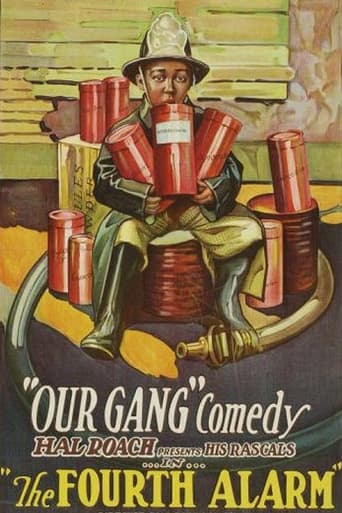
The Fourth Alarm
1926
Lazy Days
1929
Moan & Groan, Inc.
1929
Noisy Noises
1929
The Ol' Gray Hoss
1928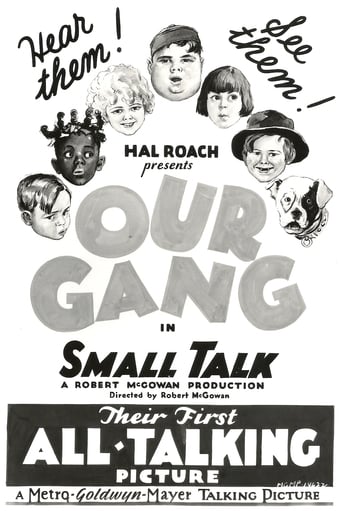
Small Talk
1929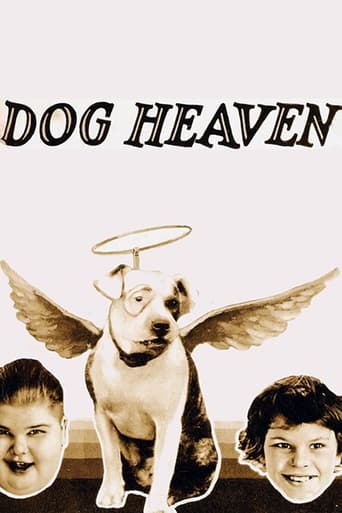
Dog Heaven
1927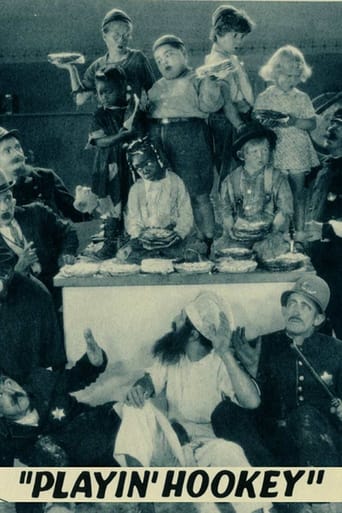
Playin' Hookey
1928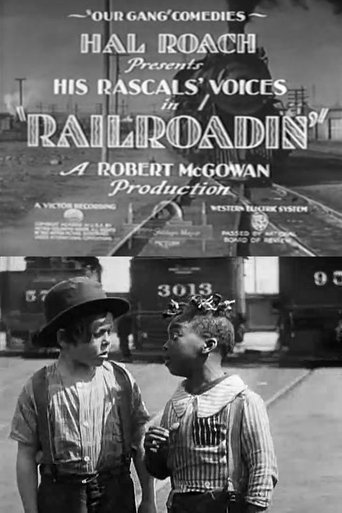
Railroadin'
1929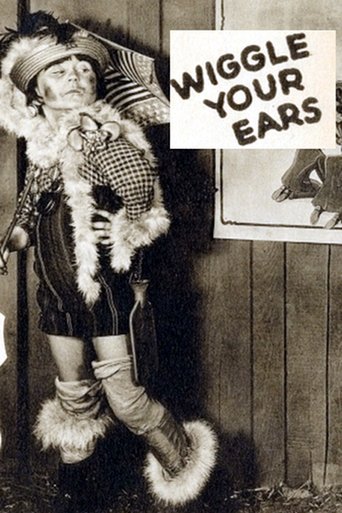
Wiggle Your Ears
1929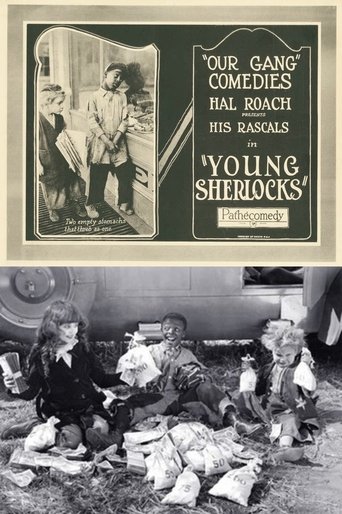
Young Sherlocks
1922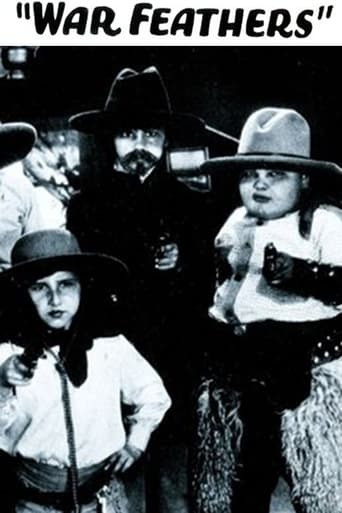
War Feathers
1926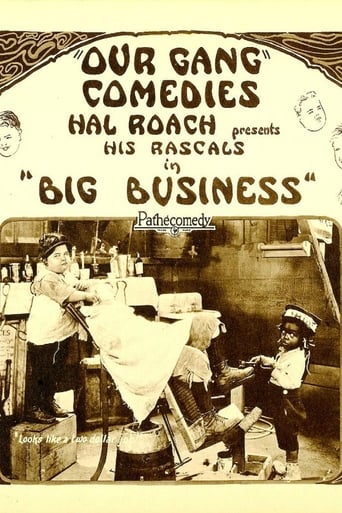
Big Business
1924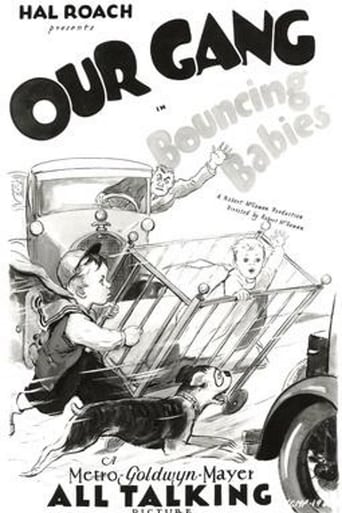
Bouncing Babies
1929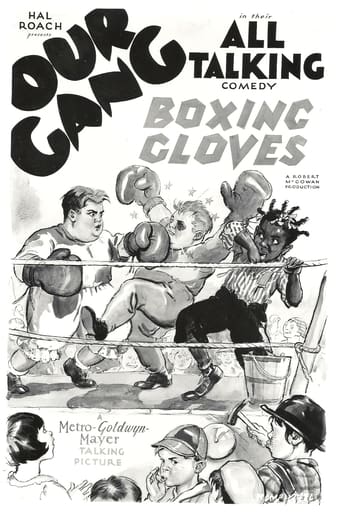
Boxing Gloves
1929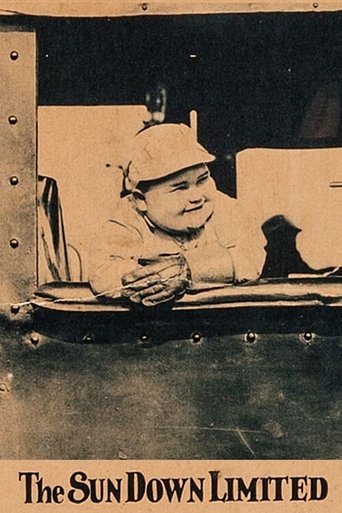
The Sun Down Limited
1924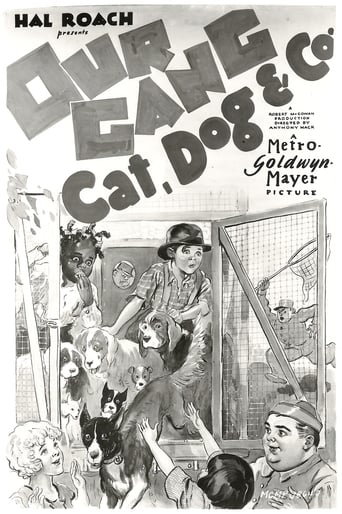
Cat, Dog & Co.
1929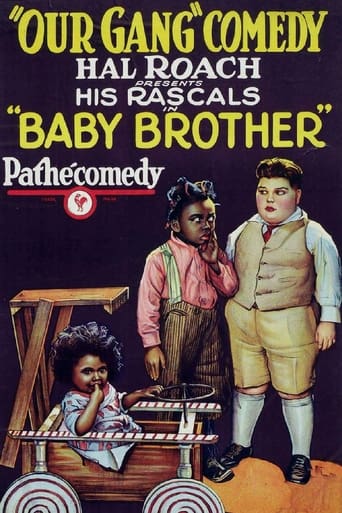
Baby Brother
1927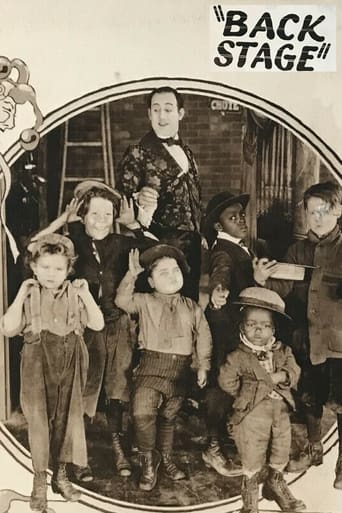
Back Stage
1923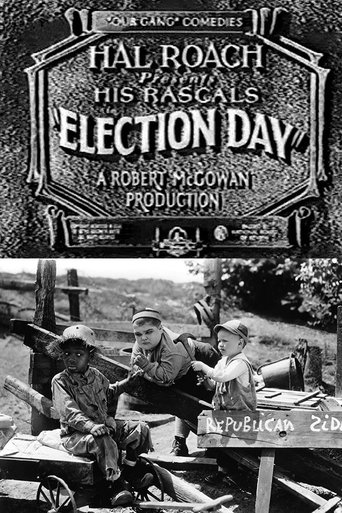
Election Day
1929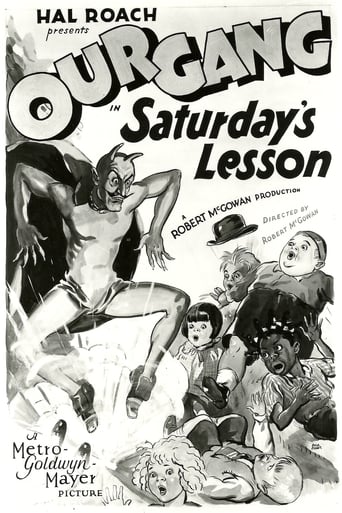
Saturday's Lesson
1929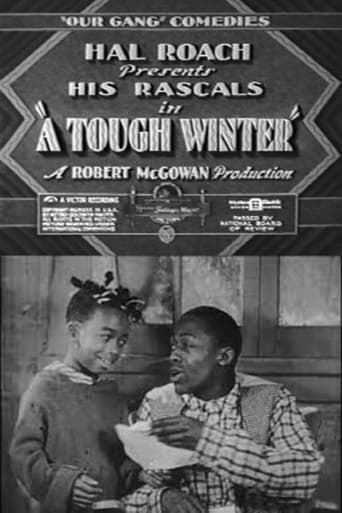
A Tough Winter
1930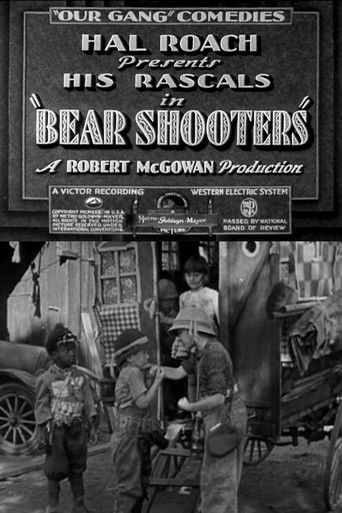
Bear Shooters
1930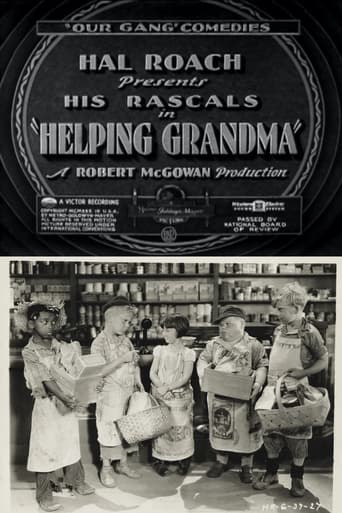
Helping Grandma
1931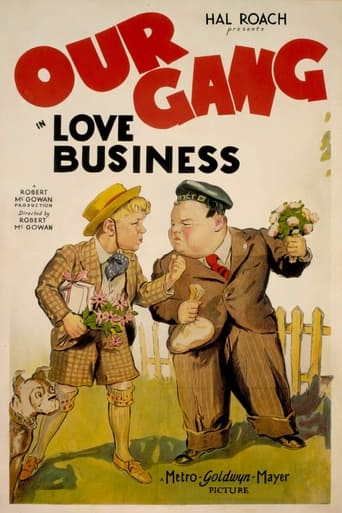
Love Business
1931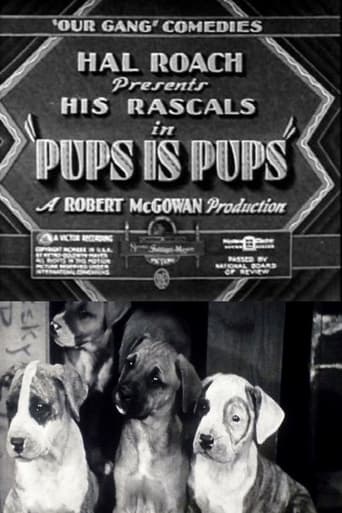
Pups Is Pups
1930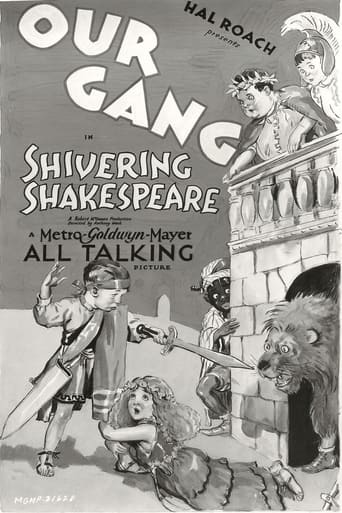
Shivering Shakespeare
1930
The First Seven Years
1930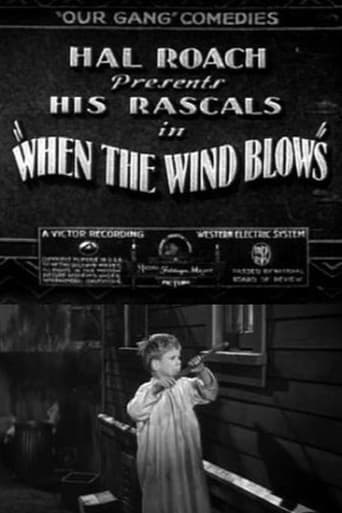
When the Wind Blows
1930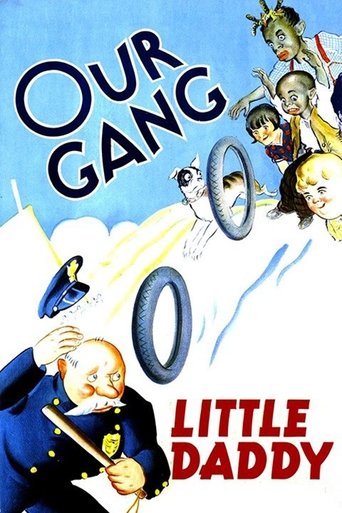
Little Daddy
1931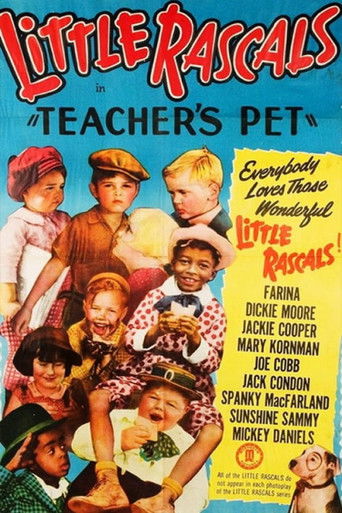
Teacher's Pet
1930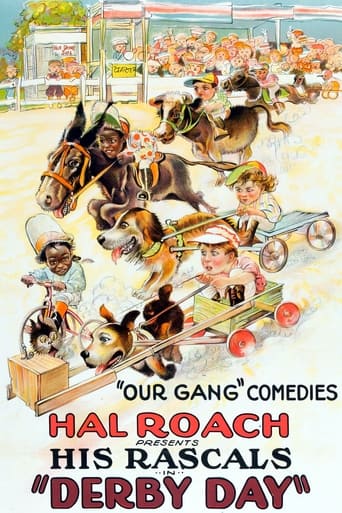
Derby Day
1923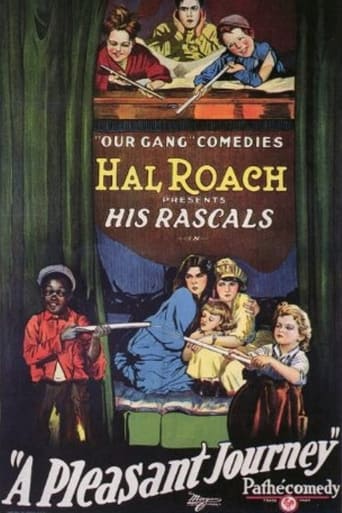
A Pleasant Journey
1923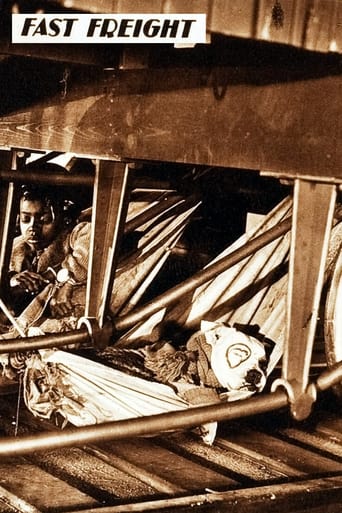
Fast Freight
1929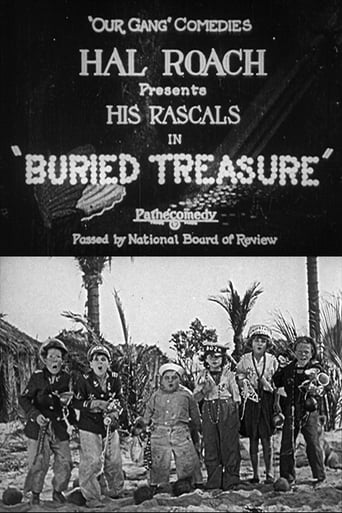
Buried Treasure
1926
Tired Business Men
1927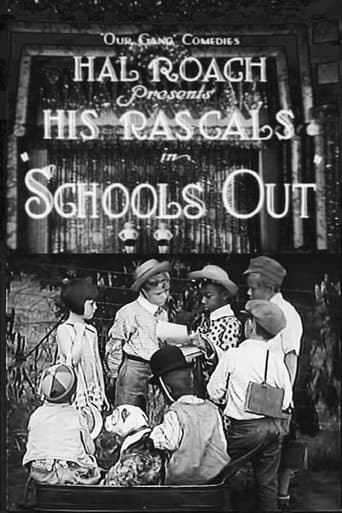
School's Out
1930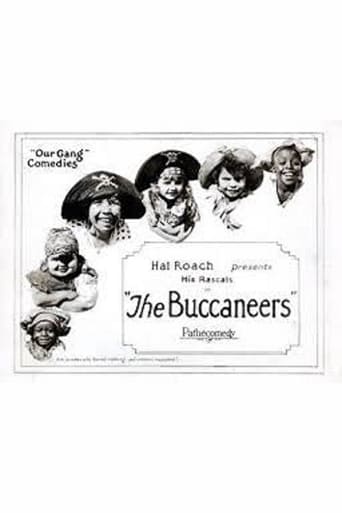
The Buccaneers
1924