Amiya Chakrabarty
Director
Born: 1912 in Bengal, British India Died: November 6, 1957 Active: 1942-1957
About Amiya Chakrabarty
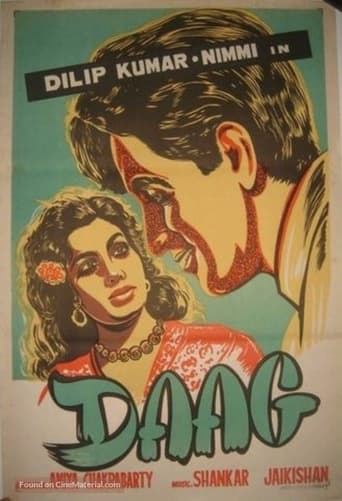
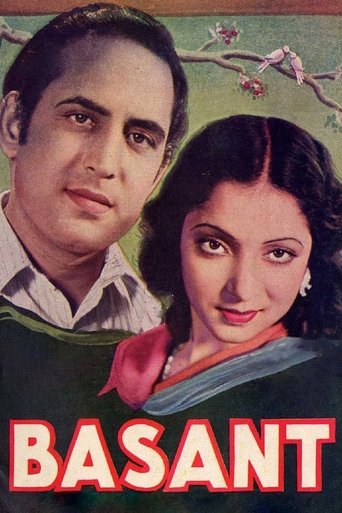
Amiya Chakrabarty was a pioneering Indian film director who made significant contributions to Hindi cinema during its formative years in the 1940s and early 1950s. He began his career at the prestigious Bombay Talkies studio, one of India's earliest film production houses, where he developed his craft under the mentorship of industry pioneers. Chakrabarty's directorial debut came with 'Basant' in 1942, a film that notably introduced the legendary actress Madhubala to cinema. His most acclaimed work came with 'Daag' in 1952, starring Dilip Kumar, which showcased his ability to handle complex emotional narratives and social themes. Throughout his decade-long career, Chakrabarty was known for his socially conscious storytelling and his skill in extracting powerful performances from his actors. His films often addressed contemporary social issues while maintaining commercial appeal, a balance that made him respected both critically and popularly. Though his career was cut short by his untimely death in 1957, Chakrabarty left an indelible mark on Indian cinema's golden era.
The Craft
Behind the Camera
Amiya Chakrabarty was known for his socially relevant storytelling and emotional depth in filmmaking. His directing style emphasized realistic performances and tackled contemporary social issues while maintaining popular appeal. He had a keen eye for talent and was particularly skilled at working with actors to extract nuanced, powerful performances. Chakrabarty's films often featured strong character development and dealt with themes of morality, social justice, and human relationships.
Best Known For
Must-See Films
Accolades
Won
- Filmfare Award for Best Director for Daag (1953)
Nominated
- Filmfare Award for Best Director for Samadhi (1951)
Special Recognition
- Recognized as one of Bombay Talkies' prominent directors
- Credited with launching Madhubala's career
Working Relationships
Worked Often With
Studios
Why They Matter
Impact on Culture
Amiya Chakrabarty played a crucial role in shaping Hindi cinema during its golden era, particularly through his association with Bombay Talkies, one of India's most influential early studios. His film 'Basant' (1942) holds special significance in Indian cinema history as it introduced Madhubala, who would become one of Indian cinema's most iconic actresses. Chakrabarty's films often addressed social issues relevant to post-independence India, contributing to the national discourse through the medium of cinema. His work with legendary actors like Dilip Kumar helped establish the template for method acting in Indian films. The success of his films demonstrated that socially conscious cinema could achieve both critical acclaim and commercial success, influencing future generations of Indian filmmakers.
Lasting Legacy
Amiya Chakrabarty's legacy in Indian cinema is marked by his significant contributions during the formative years of Bollywood's golden age. Though his career spanned only about a decade, his films continue to be studied for their artistic merit and social relevance. His discovery and launch of Madhubala remains one of cinema's great casting stories, and his work with Dilip Kumar in 'Daag' is considered among the actor's finest performances. Chakrabarty is remembered as a director who successfully balanced artistic integrity with popular appeal, a rare achievement in commercial cinema. His films are preserved as important cultural artifacts representing the transition from colonial to independent India in cinematic form.
Who They Inspired
Chakrabarty influenced Indian cinema by demonstrating that films could address serious social themes while remaining commercially viable. His success with 'Daag' paved the way for more sophisticated, adult-oriented narratives in Hindi cinema. His directorial techniques, particularly his ability to extract nuanced performances from actors, influenced subsequent generations of directors. The discovery and development of new talent like Madhubala set a precedent for talent scouting in the Indian film industry. His work at Bombay Talkies contributed to the studio's reputation for quality cinema and helped establish professional standards in Indian filmmaking.
Off Screen
Amiya Chakrabarty was born in Bengal in 1912 during the British colonial era. He moved to Bombay to pursue his career in the burgeoning Indian film industry, joining the prestigious Bombay Talkies studio. His personal life was relatively private, but he was known to be deeply committed to his craft and was respected by his colleagues for his dedication and artistic vision. He married and had a family, though specific details about his personal relationships remain limited in public records. His life was cut short at the age of 45, leaving behind a legacy of significant contributions to Indian cinema.
Education
Educational background not widely documented, though likely educated in Bengal during British colonial period
Family
- Unknown (marriage details not widely documented)
Did You Know?
- Basant (1942) was Madhubala's debut film when she was only 9 years old
- Daag (1952) won the first-ever Filmfare Award for Best Director
- He was associated with Bombay Talkies during its golden period under Devika Rani
- His film Samadhi (1950) was a patriotic drama set against the backdrop of World War II
- Chakrabarty died relatively young at age 45, cutting short a promising career
- He worked during the crucial transition period of Indian cinema from studio system to independent production
- His films often featured music by prominent composers of the era
- Daag was one of the early films to establish Dilip Kumar as the 'tragedy king' of Bollywood
- Mashaal (1950) starred Ashok Kumar and dealt with themes of social reform
- His directing style was influenced by both Indian theatrical traditions and international cinema
In Their Own Words
Cinema is not just entertainment; it's a mirror to society and a tool for social change
The best films are those that touch the heart while engaging the mind
Discovering new talent is as rewarding as creating a masterpiece
Every actor has a unique voice; the director's job is to help them find it
Social relevance and artistic merit must go hand in hand for cinema to have lasting impact
Frequently Asked Questions
Who was Amiya Chakrabarty?
Amiya Chakrabarty was an influential Indian film director active during the 1940s and early 1950s, best known for his work with Bombay Talkies and for launching Madhubala's career. He directed several notable films including Basant (1942) and Daag (1952), and was recognized for his socially conscious storytelling and ability to extract powerful performances from actors.
What films is Amiya Chakrabarty best known for?
When was Amiya Chakrabarty born and when did he die?
Amiya Chakrabarty was born in 1912 in Bengal, British India, and died on November 6, 1957, at the age of 45. His death cut short a promising career that had significantly contributed to Indian cinema's golden age.
What awards did Amiya Chakrabarty win?
Chakrabarty won the Filmfare Award for Best Director for 'Daag' in 1953, which was notably the first year the Filmfare Awards were presented. He was also nominated for Best Director for 'Samadhi' in 1951, recognizing his significant contributions to Indian cinema.
What was Amiya Chakrabarty's directing style?
Chakrabarty's directing style was characterized by socially relevant storytelling, emotional depth, and realistic performances. He excelled at balancing artistic merit with popular appeal, often addressing contemporary social issues while maintaining commercial viability. His films featured strong character development and he was particularly skilled at working with actors to achieve nuanced performances.
How did Amiya Chakrabarty impact Indian cinema?
Chakrabarty significantly impacted Indian cinema by discovering and launching Madhubala's career, working with legendary actors like Dilip Kumar, and demonstrating that socially conscious films could achieve both critical and commercial success. His association with Bombay Talkies during its golden period helped establish professional standards in Indian filmmaking.
What was Amiya Chakrabarty's connection to Bombay Talkies?
Chakrabarty was associated with Bombay Talkies, one of India's most prestigious early film studios, where he developed his craft under the mentorship of founders Himanshu Rai and Devika Rani. The studio provided him the platform to direct his early films and establish his reputation in the industry.
Learn More
Films
2 films