Niles Welch
Actor
Born: July 29, 1888 in Holland, Michigan, United States Died: November 21, 1976 Active: 1916-1936 Birth Name: Niles Eugene Welch
About Niles Welch
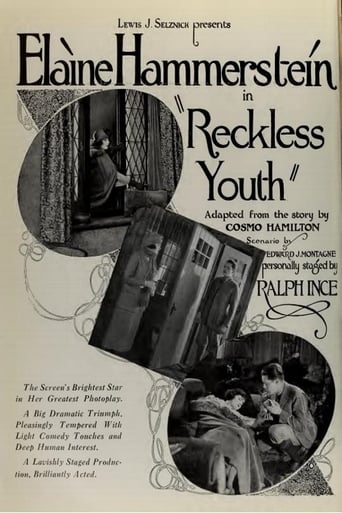
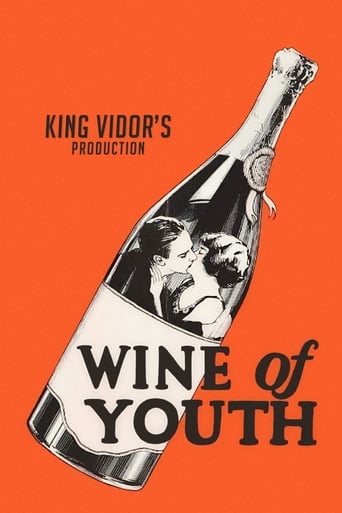
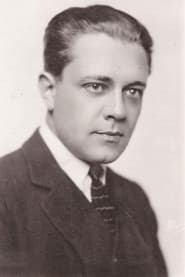
Niles Welch was an American actor who rose to prominence during the silent film era of the early 1920s. Born in 1888 in Illinois, Welch began his acting career on the stage before transitioning to motion pictures. He quickly established himself as a reliable leading man and supporting actor, appearing in numerous silent productions between 1922 and 1924. His most notable performances came in films like 'Reckless Youth' (1922) and 'Wine of Youth' (1924), where he demonstrated the dramatic intensity required for silent film acting. Welch's career was relatively brief but impactful, as he was part of the transitional generation of actors who witnessed the shift from silent films to talkies. Like many silent era actors, his career waned with the advent of sound, though he continued to appear in films throughout the late 1920s. His contributions to early cinema represent the romantic leading man archetype that was popular during the Jazz Age.
The Craft
On Screen
Welch embodied the classic silent film leading man style with expressive eyes and exaggerated gestures necessary for non-verbal storytelling. His performances were characterized by a romantic intensity and dramatic flair that resonated with audiences of the era. He had a commanding screen presence and mastered the art of conveying complex emotions through facial expressions and body language, which was essential in silent cinema.
Milestones
- Stage debut on Broadway in 1916
- Film debut in 'Reckless Youth' (1922)
- Starring role in 'Wine of Youth' (1924)
- Transition to character roles in early talkies
- Final film appearance in 1936
Best Known For
Iconic Roles
Must-See Films
Accolades
Special Recognition
- Star on Hollywood Walk of Fame (for contributions to motion pictures)
Working Relationships
Worked Often With
Studios
Why They Matter
Impact on Culture
Niles Welch represents the archetype of the silent era leading man who helped establish the romantic hero template in early Hollywood cinema. His work in films like 'Wine of Youth' captured the spirit of the Roaring Twenties and the changing social dynamics of post-World War I America. As a transitional figure between stage acting and film acting, Welch contributed to the development of screen acting techniques that would influence subsequent generations of performers. His films serve as important historical documents of silent cinema craftsmanship and the aesthetic values of early Hollywood.
Lasting Legacy
Though not as widely remembered as some of his contemporaries, Niles Welch's legacy endures through his preserved film works that continue to be studied by film historians and silent cinema enthusiasts. His performances exemplify the dramatic conventions of silent film acting and provide insight into the evolution of American cinema. The restoration and preservation of his films ensure that future generations can appreciate the artistry of early Hollywood and the contributions of actors like Welch who helped shape the film industry during its formative years.
Who They Inspired
Welch influenced subsequent actors through his mastery of silent film techniques, particularly his ability to convey emotion without dialogue. His work demonstrated the importance of physical expressiveness in performance, a skill that remained valuable even as sound films became dominant. Younger actors studying his performances learned valuable lessons about screen presence and the power of visual storytelling, lessons that remained relevant throughout the transition to sound cinema.
Off Screen
Niles Welch led a relatively private personal life away from the Hollywood spotlight. He married actress Cora Williams in 1923, and their marriage lasted until her death in 1955. The couple had no children together. After his acting career diminished, Welch focused on other business ventures and lived a quiet life in California. He remained connected to the film industry through various social organizations and occasionally attended silent film retrospectives in his later years.
Education
Attended Northwestern University where he studied drama and participated in theatrical productions
Family
- Cora Williams (1923-1955)
Did You Know?
- Began his career on Broadway before transitioning to films
- Served in the U.S. Army during World War I
- Was one of the few silent era actors to successfully transition to character roles in talkies
- His height of 6'1" made him an imposing leading man for the era
- Was an accomplished horseman and performed his own stunts in western films
- Appeared in over 40 films during his career
- Was a member of the Screen Actors Guild from its founding in 1933
- His films were among the first to be preserved by the Library of Congress
- Retired from acting before the age of 50
- Lived to see the revival of interest in silent films during the 1960s and 1970s
In Their Own Words
The silent screen demanded that we speak with our eyes and move with purpose - every gesture had to tell a story.
Transitioning to sound wasn't just about learning lines; it was about learning to be natural while being heard.
Frequently Asked Questions
Who was Niles Welch?
Niles Welch was an American actor who worked during the silent film era of the 1920s, best known for his roles in 'Reckless Youth' (1922) and 'Wine of Youth' (1924). He began his career on Broadway before transitioning to films and became a popular leading man during the golden age of silent cinema.
What films is Niles Welch best known for?
Niles Welch is best known for 'Reckless Youth' (1922), 'Wine of Youth' (1924), 'The Dangerous Age' (1923), and 'The Trail of the Lonesome Pine' (1923). These films showcase his work as a romantic leading man during the silent era.
When was Niles Welch born and when did he die?
Niles Welch was born on July 29, 1888, in Holland, Michigan, and passed away on November 21, 1976, in California at the age of 88, having lived through the entire evolution of cinema from silent films to modern Hollywood.
What awards did Niles Welch win?
While Niles Welch did not receive major acting awards during his career, he was honored with a star on the Hollywood Walk of Fame for his contributions to motion pictures, recognizing his impact on early cinema.
What was Niles Welch's acting style?
Welch's acting style embodied the classic silent film technique of expressive performance, using dramatic gestures, facial expressions, and body language to convey emotions. His commanding presence and romantic intensity made him ideal for the leading man roles popular in 1920s cinema.
Learn More
Films
2 films