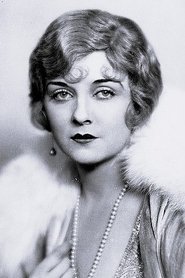
Alice Terry
Actor
Born: July 24, 1899 in St. Louis, Missouri, USA Died: December 22, 1987 Active: 1916-1933 Birth Name: Alice Frances Taaffe
About Alice Terry
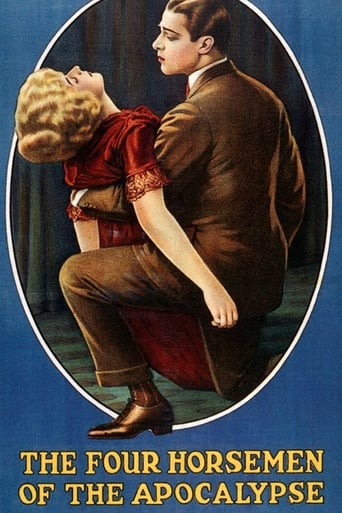
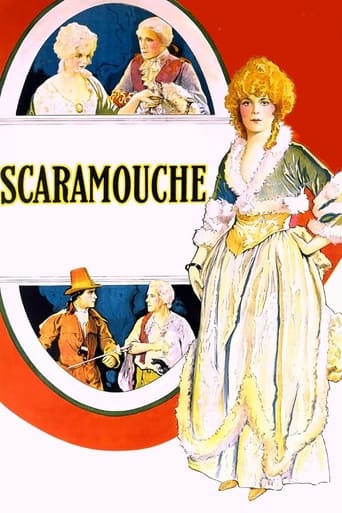
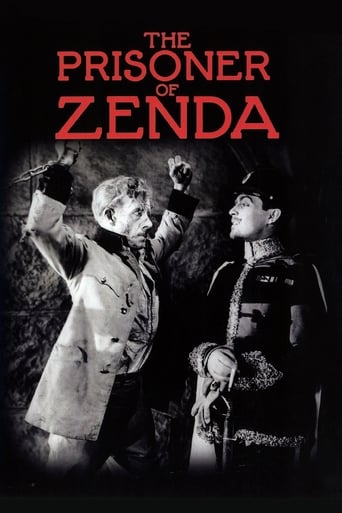
Alice Terry was a prominent American actress of the silent era, best known for her ethereal beauty and her collaborations with director Rex Ingram, whom she later married. Born Alice Frances Taaffe, she began her career as a model before being discovered by film producer Jesse Lasky. Her breakthrough came with her role in 'The Four Horsemen of the Apocalypse' (1921), one of the highest-grossing silent films of all time, where she starred opposite Rudolph Valentino. Terry and Ingram formed one of the most successful creative partnerships in silent cinema, with her starring in many of his directorial masterpieces including 'The Prisoner of Zenda' (1922) and 'Scaramouche' (1923). After the transition to sound, she largely retired from acting but continued to work behind the scenes with her husband. Her career, though relatively brief, left an indelible mark on silent cinema with her performances characterized by their subtlety and emotional depth.
The Craft
On Screen
Alice Terry's acting style was characterized by its naturalism and subtlety, which set her apart from many of her contemporaries in the silent era. She possessed a remarkable ability to convey complex emotions through minimal gestures and nuanced facial expressions, making her particularly effective in dramatic roles. Her screen presence was ethereal yet grounded, allowing her to portray both vulnerable and strong-willed characters with equal authenticity. Terry's performances often featured a quiet intensity that drew audiences in, and she had a special talent for making period characters feel contemporary and relatable.
Milestones
- Breakthrough role in 'The Four Horsemen of the Apocalypse' (1921)
- Marriage and creative partnership with director Rex Ingram
- Starring role in 'The Prisoner of Zenda' (1922)
- Performance in 'Scaramouche' (1923)
- International success with European productions
- Transition to behind-the-scenes work in sound era
Best Known For
Iconic Roles
Must-See Films
Accolades
Special Recognition
- Hollywood Walk of Fame star (motion pictures)
- Recognition as one of the WAMPAS Baby Stars of 1922
Working Relationships
Worked Often With
Studios
Why They Matter
Impact on Culture
Alice Terry represented the transition from the theatrical acting style of early cinema to the more naturalistic approach that would define film performance. Her work in international productions helped bridge the gap between Hollywood and European cinema, contributing to the globalization of film culture in the 1920s. Terry's success in costume dramas and period pieces set new standards for authenticity in historical filmmaking, and her collaborations with Rex Ingram demonstrated the creative potential of director-actor partnerships. Her career trajectory, from leading lady to behind-the-scenes contributor, also illustrated the changing roles for women in the film industry as it evolved from the silent to sound era.
Lasting Legacy
Alice Terry's legacy endures through her contributions to some of the most significant silent films ever made. Her performances in 'The Four Horsemen of the Apocalypse' and 'Scaramouche' continue to be studied by film scholars as examples of sophisticated silent-era acting. The preservation of her films has ensured that new generations can appreciate her talent and the artistry of silent cinema. Terry's career serves as an important example of how actresses could maintain creative control and artistic integrity during the studio system's golden age. Her marriage to Rex Ingram remains one of cinema's most notable creative partnerships, demonstrating how personal and professional collaboration could produce enduring artistic achievements.
Who They Inspired
Alice Terry influenced subsequent generations of actors through her naturalistic approach to silent film performance, which prefigured the more subtle acting style required in sound cinema. Her ability to convey emotion through restraint rather than exaggeration provided a model for actors transitioning from silent to sound films. Terry's success in international productions also paved the way for American actors to work more freely in European cinema. Her career demonstrated the importance of versatility and adaptability in an industry undergoing rapid technological change, lessons that continue to resonate with performers today.
Off Screen
Alice Terry married director Rex Ingram in 1921, forming one of the most significant creative partnerships in silent cinema. Their marriage lasted until Ingram's death in 1950, and they collaborated on numerous films both in Hollywood and Europe. The couple had no children but shared a deep professional and personal bond, often working together on location in exotic locations like North Africa and Europe. After retiring from acting, Terry continued to support Ingram's work and occasionally served as an uncredited assistant on his films. She spent her later years in Los Angeles, remaining connected to the film community and participating in silent film retrospectives until her death in 1987.
Education
Attended local schools in St. Louis, Missouri; no formal dramatic training
Family
- Rex Ingram (1921-1950)
Did You Know?
- She was one of the WAMPAS Baby Stars of 1922, an annual selection of promising young actresses
- Her real surname was Taaffe, but she changed it to Terry for her film career
- She met her future husband Rex Ingram when he cast her in 'The Four Horsemen of the Apocalypse'
- The couple moved to the French Riviera in the 1920s to escape Hollywood's studio system
- She often cut her own hair for roles, which was unconventional for actresses of her time
- Terry and Ingram made several films in North Africa, bringing authentic locations to their productions
- She was one of the few silent stars who successfully transitioned to behind-the-scenes work
- Her performance in 'The Four Horsemen of the Apocalypse' helped launch Rudolph Valentino to stardom
- She was known for her distinctive bob haircut, which influenced women's fashion in the 1920s
- After retiring from acting, she became an accomplished painter and sculptor
In Their Own Words
In silent pictures, you had to use your eyes and your heart to tell the story. Words would have only gotten in the way.
Working with Rex was like dancing - we knew each other's moves without having to speak.
The camera doesn't lie, but it does forgive. It captures the truth of the moment.
Beauty in films should be like truth - simple, direct, and unforgettable.
Frequently Asked Questions
Who was Alice Terry?
Alice Terry was a prominent American actress of the silent era, best known for her roles in 'The Four Horsemen of the Apocalypse' and 'Scaramouche'. She was particularly famous for her creative partnership with director Rex Ingram, whom she married in 1921.
What films is Alice Terry best known for?
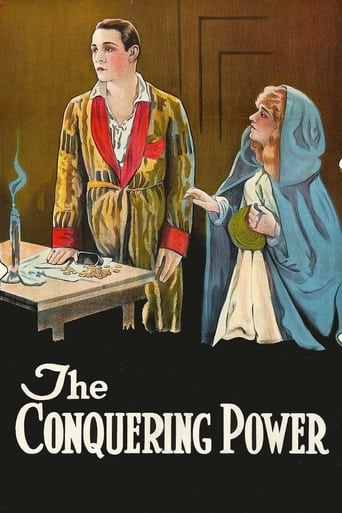
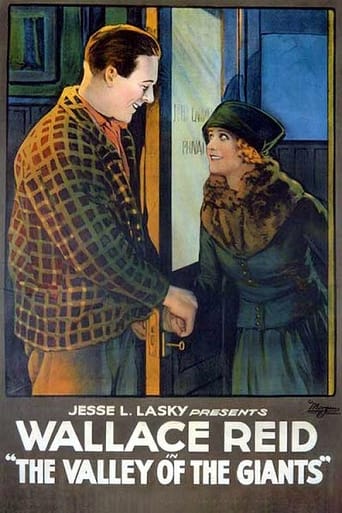
Alice Terry is best known for 'The Four Horsemen of the Apocalypse' (1921), 'The Prisoner of Zenda' (1922), 'Scaramouche' (1923), 'The Conquering Power' (1921), and 'The Valley of the Giants' (1919). These films showcased her talent for both dramatic and costume roles.
When was Alice Terry born and when did she die?
Alice Terry was born on July 24, 1899, in St. Louis, Missouri, and passed away on December 22, 1987, in Los Angeles, California, at the age of 88.
What awards did Alice Terry win?
While Alice Terry didn't receive major acting awards during her career, she was honored with a star on the Hollywood Walk of Fame and was named one of the WAMPAS Baby Stars of 1922, recognizing her as a promising young actress.
What was Alice Terry's acting style?
Alice Terry was known for her naturalistic and subtle acting style, which was ahead of its time in the silent era. She conveyed emotions through minimal gestures and nuanced expressions, avoiding the exaggerated theatrics common among her contemporaries.
How did Alice Terry influence cinema?
Alice Terry influenced cinema through her naturalistic acting style that prefigured sound film performance, her international productions that bridged Hollywood and European cinema, and her successful creative partnership with Rex Ingram that demonstrated the power of director-actor collaboration.
Learn More
Films
8 films