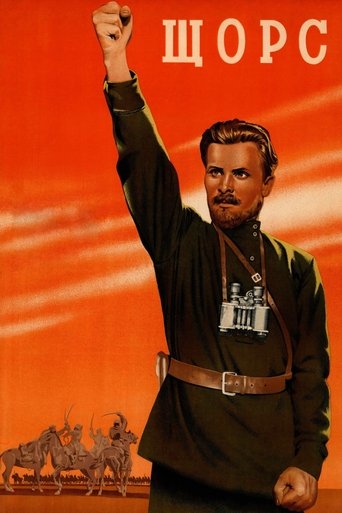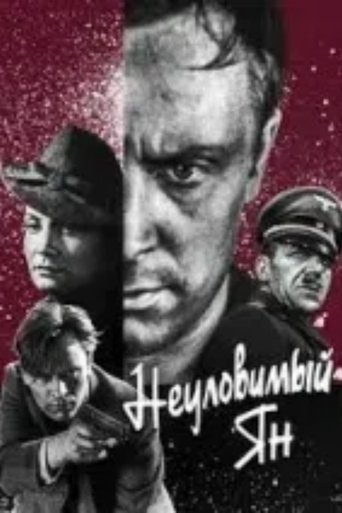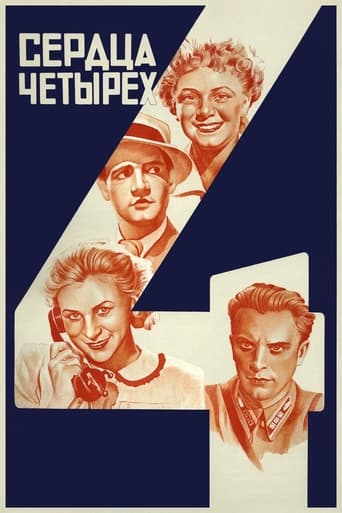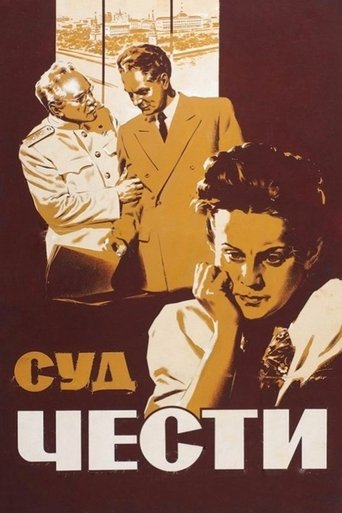
Evgeniy Samoylov
Actor
Born: February 16, 1912 in Saint Petersburg, Russian Empire Died: April 17, 2006 Active: 1934-1990 Birth Name: Yevgeny Valentinovich Samoilov
About Evgeniy Samoylov
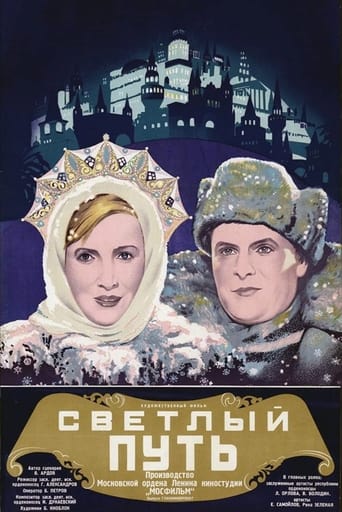
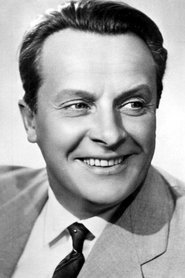
Yevgeny Valentinovich Samoilov was one of the most prominent and beloved actors of Soviet cinema during the Stalin era and beyond. Born in Saint Petersburg in 1912, he began his acting career after graduating from the Leningrad Institute of Performing Arts in 1934. His breakthrough came with his role in 'The Shining Path' (1940), which established him as a leading romantic hero of Soviet cinema. Throughout the 1930s and 1940s, Samoilov became synonymous with the ideal Soviet man - strong, principled, and devoted to communist ideals. His career spanned over five decades, during which he appeared in more than 40 films and numerous theatrical productions. Despite facing political pressures during the Stalin era, he maintained his artistic integrity and continued to work successfully through the Khrushchev thaw and beyond. Samoilov was awarded the title of People's Artist of the USSR in 1968, recognizing his immense contribution to Soviet culture and cinema.
The Craft
On Screen
Samoilov was known for his romantic hero persona, characterized by a powerful screen presence, clear diction, and emotional intensity. His acting style combined classical theatrical training with cinematic naturalism, making him particularly effective in portraying ideal Soviet characters. He had a distinctive baritone voice and commanding physical presence that made him perfect for heroic roles in war films and historical dramas.
Milestones
- Graduated from Leningrad Institute of Performing Arts (1934)
- Breakthrough role in 'The Shining Path' (1940)
- Received Stalin Prize for acting (1941)
- Named People's Artist of the RSFSR (1952)
- Awarded title of People's Artist of the USSR (1968)
- Celebrated 50th anniversary of acting career (1984)
Best Known For
Iconic Roles
Must-See Films
Accolades
Won
- Stalin Prize (1941)
- Order of the Red Banner of Labour (1948)
- Order of Lenin (1967)
- Order of the October Revolution (1982)
- People's Artist of the RSFSR (1952)
- People's Artist of the USSR (1968)
Nominated
- State Prize of the Russian Federation (1995)
Special Recognition
- Vasilyev Brothers State Prize of the RSFSR (1971)
- Honored Artist of the RSFSR (1946)
- Order 'For Merit to the Fatherland' (1997)
Working Relationships
Worked Often With
Studios
Why They Matter
Impact on Culture
Yevgeny Samoilov became an iconic figure in Soviet cinema, representing the ideal Soviet man during the Stalin era. His performances helped shape the cultural narrative of Soviet heroism and patriotism, particularly during and after World War II. His films were not just entertainment but tools of ideological education, and his image as the strong, principled Soviet hero influenced millions of viewers. Samoilov's work contributed to the development of Soviet cinema's unique aesthetic and ideological approach, blending artistic merit with political messaging.
Lasting Legacy
Samoilov's legacy endures as one of the foundational actors of Soviet cinema. His films continue to be studied as examples of classic Soviet filmmaking, and his influence can be seen in subsequent generations of Russian actors. He represents an important bridge between the early Soviet cinema of the 1920s and the more sophisticated productions of the post-Stalin era. His daughter, Tatyana Samoilova, became one of the most celebrated Soviet actresses, continuing the family's artistic legacy. Samoilov's career serves as a testament to the complex relationship between art and politics in Soviet society.
Who They Inspired
Samoilov influenced Soviet cinema through his embodiment of the heroic archetype that dominated the era. His acting technique, combining theatrical training with cinematic naturalism, became a model for other Soviet actors. He demonstrated how actors could maintain artistic integrity while working within the constraints of the Soviet system. His work with prominent directors like Kozintsev and Gerasimov helped establish certain cinematic conventions that would influence Soviet filmmaking for decades.
Off Screen
Samoilov was married twice during his lifetime. His first marriage was to actress Yelena Maksimova, with whom he had a daughter. Later in life, he married actress Zoya Fyodorova, though this marriage was tumultuous and ended in divorce. Samoilov was known for his dedication to his craft and maintained a relatively private personal life despite his fame. He lived through major political upheavals in Soviet history, including the Stalin purges and World War II, which deeply influenced his worldview and artistic choices.
Education
Leningrad Institute of Performing Arts (graduated 1934)
Family
- Yelena Maksimova (1930s-1940s)
- Zoya Fyodorova (1946-1948)
Did You Know?
- His daughter Tatyana Samoilova became even more famous than him, starring in 'The Cranes Are Flying' (1957)
- During World War II, he performed for frontline troops and was wounded during a performance
- He was one of the few actors who successfully navigated the dangerous political climate of the Stalin era
- His distinctive voice made him a popular choice for radio dramas and narration
- He continued acting well into his 70s, appearing in both films and television productions
- Despite his romantic hero image, he was known for his modest and humble personality off-screen
- He was a close friend of fellow Soviet actor Innokenty Smoktunovsky
- His role in 'The Shining Path' was considered a defining moment in Soviet cinema's portrayal of industrial heroes
- He was frequently invited to international film festivals as a representative of Soviet cinema
- His performances were often studied in Soviet acting schools as examples of ideal socialist realism
In Their Own Words
The actor must not just play a role, he must become the person he portrays, especially when that person represents the ideals of our society.
Cinema is not just entertainment, it is the most powerful tool for educating and inspiring our people.
Every role I take on is a contribution to building our socialist future.
The stage and screen are my life, but serving my country through my art is my purpose.
Frequently Asked Questions
Who was Yevgeny Samoilov?
Yevgeny Samoilov was a prominent Soviet actor who became famous during the 1930s-1950s as one of the leading romantic heroes of Soviet cinema. He was particularly known for his roles in films that embodied Soviet ideals and patriotism.
What films is Yevgeny Samoilov best known for?
Samoilov is best known for 'The Shining Path' (1940), 'The Great Citizen' (1938), 'Four Hearts' (1941), and his appearance in 'The Battle of Stalingrad' (1949). These films established him as a leading figure in Soviet cinema.
When was Yevgeny Samoilov born and when did he die?
Yevgeny Samoilov was born on February 16, 1912, in Saint Petersburg, Russian Empire, and died on April 17, 2006, in Moscow, Russia, at the age of 94.
What awards did Yevgeny Samoilov win?
Samoilov received numerous honors including the Stalin Prize (1941), was named People's Artist of the RSFSR (1952) and People's Artist of the USSR (1968), and received multiple Orders including the Order of Lenin and Order of the Red Banner of Labour.
What was Yevgeny Samoilov's acting style?
Samoilov's acting style combined classical theatrical training with cinematic naturalism, characterized by his powerful screen presence, emotional intensity, and distinctive baritone voice. He excelled at portraying ideal Soviet heroes with both strength and psychological depth.
Did Yevgeny Samoilov have any famous family members?
Yes, his daughter Tatyana Samoilova became one of the most celebrated Soviet actresses, internationally known for her starring role in 'The Cranes Are Flying' (1957), which won the Palme d'Or at Cannes.
How did Yevgeny Samoilov contribute to Soviet culture?
Samoilov helped shape the cultural narrative of Soviet heroism and patriotism through his films, which served as both entertainment and ideological education. His performances embodied the ideal Soviet man and influenced generations of viewers and actors.
Learn More
Films
11 films