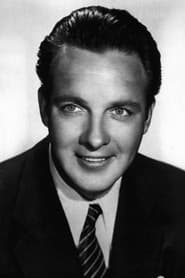
Bob Crosby
Actor
Born: August 23, 1913 in Spokane, Washington, USA Died: March 9, 1993 Active: 1932-1965 Birth Name: George Robert Crosby
About Bob Crosby
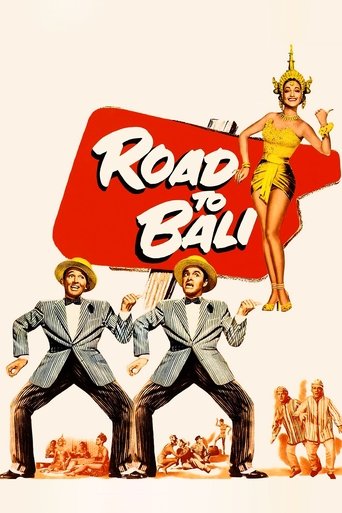
Bob Crosby, born George Robert Crosby, was an American singer and bandleader who found success in both music and film during the Golden Age of Hollywood. As the younger brother of legendary crooner Bing Crosby, Bob carved out his own niche in the entertainment industry by leading one of the most popular swing bands of the 1930s and 1940s. His orchestra, known for its Dixieland revival style, produced numerous hits including 'Big Noise from Winnetka' and 'South Rampart Street Parade.' Crosby transitioned into film acting, appearing in several movies throughout the 1940s and 1950s, often showcasing his musical talents. His most notable film appearance was in the 1952 comedy 'Road to Bali' alongside Bing Crosby and Bob Hope, where he played himself. Beyond his entertainment career, Crosby served in the U.S. Marine Corps during World War II and continued performing with his band well into the 1960s. His career spanned multiple decades, establishing him as a respected figure in both the music and film industries.
The Craft
On Screen
Natural and charismatic performer who often played himself or musical roles, bringing his genuine musical talent and easy-going personality to the screen
Milestones
- Formed the Bob Crosby Orchestra in 1935
- Had hit records with 'Big Noise from Winnetka' (1938)
- Hosted his own radio show 'The Bob Crosby Show' (1943-1945)
- Appeared in 'Road to Bali' (1952) with Bing Crosby and Bob Hope
- Won an Academy Award for Best Short Subject for 'Symphony of Swing' (1938)
Best Known For
Iconic Roles
Must-See Films
Accolades
Won
- Academy Award for Best Short Subject (One-reel) for 'Symphony of Swing' (1938)
Nominated
- Emmy nomination for 'The Bob Crosby Show' (1954)
Special Recognition
- Hollywood Walk of Fame star (Radio)
- Big Band and Jazz Hall of Fame inductee
Working Relationships
Worked Often With
Studios
Why They Matter
Impact on Culture
Bob Crosby played a significant role in popularizing Dixieland and swing music during the Big Band era, helping to preserve and revive traditional New Orleans jazz styles for mainstream audiences. His orchestra's unique blend of hot jazz and danceable swing influenced countless musicians and helped maintain the popularity of traditional jazz during the swing era. His radio and television appearances brought jazz music to millions of Americans who might not otherwise have been exposed to it.
Lasting Legacy
Bob Crosby's legacy lies primarily in his contributions to American popular music, particularly his role in keeping Dixieland jazz alive during the swing era. His orchestra's recordings remain influential in jazz circles, and his relaxed, personable style influenced later generations of bandleaders. While his film career was secondary to his music work, his appearances in Hollywood films helped bridge the gap between the music and film industries.
Who They Inspired
Crosby influenced many later bandleaders and jazz musicians with his approach to blending traditional jazz with popular entertainment. His success as Bing Crosby's younger brother while maintaining his own distinct musical identity showed that it was possible to emerge from a famous sibling's shadow and achieve independent success. His television work in the 1950s also helped pave the way for future music-based variety shows.
Off Screen
Bob Crosby was married twice and had five children. His first marriage to Marilyn Scott ended in divorce in 1942. He later married Catherine Faye Spiess in 1943, with whom he remained until her death in 1970. Crosby was known for his easy-going personality, which contrasted with his more famous brother Bing's sometimes difficult demeanor. He struggled with alcoholism in his later years but remained active in music until his death from cancer at age 79.
Education
Gonzaga University (attended but did not graduate)
Family
- Marilyn Scott (1938-1942)
- Catherine Faye Spiess (1943-1970)
Did You Know?
- Was the younger brother of Bing Crosby by 10 years
- His orchestra's nickname was 'The Bobcats'
- Served as a Marine Corps officer during World War II
- Won an Oscar for the short film 'Symphony of Swing' before his major film acting career
- His hit 'Big Noise from Winnetka' was featured in the film 'The Big Sleep'
- Hosted the first televised episode of 'The Bob Crosby Show' in 1953
- Was an avid golfer and often played with his brother Bing
- His band was one of the few to successfully blend Dixieland with swing music
- Appeared on numerous TV shows in the 1950s and 1960s
- Was posthumously inducted into the Big Band Hall of Fame in 1993
In Their Own Words
I never wanted to be Bing Crosby. I wanted to be Bob Crosby.
Music is the only thing that makes sense to me. Everything else is just noise.
The best part of leading a band is watching young musicians grow and find their own voice.
Frequently Asked Questions
Who was Bob Crosby?
Bob Crosby was an American singer, bandleader, and occasional actor, best known for leading the Bob Crosby Orchestra and being the younger brother of Bing Crosby. He found fame in the 1930s and 1940s with his Dixieland-style swing band and appeared in several Hollywood films, including 'Road to Bali' (1952).
What films is Bob Crosby best known for?
While primarily known for his music career, Bob Crosby's most notable film appearance was in 'Road to Bali' (1952) alongside his brother Bing and Bob Hope. He also appeared in 'The Big Broadcast' (1938), 'Holiday Inn' (1942) in a cameo, and 'As Thousands Cheer' (1943).
When was Bob Crosby born and when did he die?
Bob Crosby was born on August 23, 1913, in Spokane, Washington, and died on March 9, 1993, in La Jolla, California, at the age of 79 from cancer.
What awards did Bob Crosby win?
Bob Crosby won an Academy Award for Best Short Subject (One-reel) in 1938 for 'Symphony of Swing.' He also received an Emmy nomination for his television work and was posthumously inducted into the Big Band and Jazz Hall of Fame.
What was Bob Crosby's musical style?
Bob Crosby was known for his Dixieland revival style, blending traditional New Orleans jazz with swing music. His orchestra, particularly the smaller group 'The Bobcats,' was famous for its hot jazz arrangements and improvisational style, which stood out during the big band era.
Learn More
Films
1 film