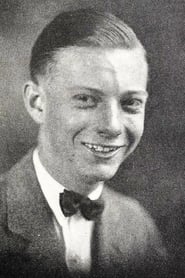
Wesley Barry
Actor
Born: August 10, 1907 in Los Angeles, California, USA Died: April 11, 1996 Active: 1915-1960
About Wesley Barry
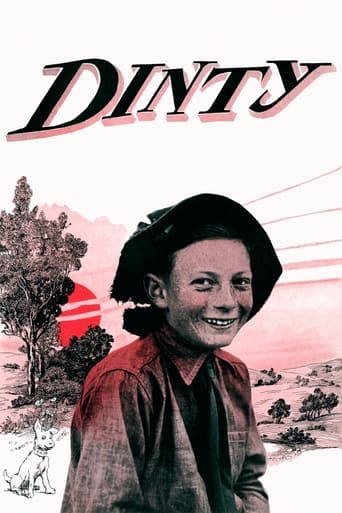
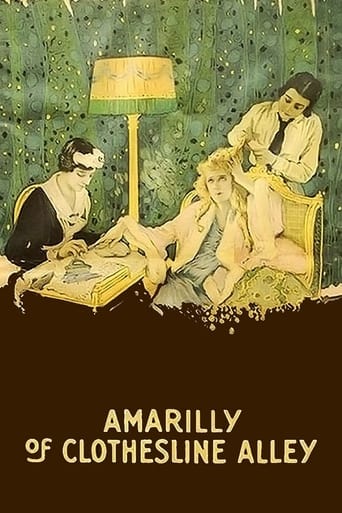
Wesley Barry was a prominent child actor during the silent film era who successfully transitioned to a prolific career as a director and producer in Hollywood's Golden Age. Born in Los Angeles in 1907, he began his film career as a young child and quickly became one of the most recognizable child stars of the late 1910s and early 1920s, known for his distinctive curly hair and natural acting style. His breakthrough came with roles in films like 'Amarilly of Clothes-Line Alley' (1918) and 'Dinty' (1920), where he demonstrated a remarkable ability to convey emotion without dialogue. As he aged out of child roles, Barry made a smooth transition behind the camera, learning the technical aspects of filmmaking and eventually becoming a respected director of B-movies and television programs. Throughout the 1930s, 40s, and 50s, he directed and produced numerous films, often specializing in westerns, crime dramas, and adventure stories. His career spanned over five decades in the entertainment industry, making him one of the few child stars from the silent era to maintain such longevity and versatility in Hollywood. Barry's journey from child actor to industry professional exemplifies the adaptability required to survive in the rapidly changing film industry of the 20th century.
The Craft
On Screen
As a child actor, Wesley Barry was known for his naturalistic and expressive performances that avoided the excessive melodrama common in many silent film performances. His curly hair and expressive eyes made him particularly effective in conveying emotion, which was crucial in the silent era when facial expressions carried much of the storytelling. He had a knack for playing mischievous but good-hearted characters that audiences found endearing, bringing a sense of authenticity to his roles that set him apart from other child actors of his time.
Milestones
- Child star in silent films with distinctive curly hair
- Starred in 'Amarilly of Clothes-Line Alley' (1918)
- Lead role in 'Dinty' (1920)
- Successfully transitioned from acting to directing
- Directed over 40 films between 1935-1955
- Produced television programs in the 1950s
- Founded his own production company
Best Known For
Iconic Roles
Must-See Films
Accolades
Won
- Hollywood Walk of Fame Star (1960)
Special Recognition
- Hollywood Walk of Fame Star for contributions to television (located at 1725 Vine Street)
Working Relationships
Worked Often With
Studios
Why They Matter
Impact on Culture
Wesley Barry represents the successful transition from silent film child stardom to adult industry professional, a rare achievement in Hollywood history. His career trajectory demonstrated the importance of adaptability in the rapidly changing film industry, particularly during the challenging transition from silent to sound films. As a child actor, he helped establish the template for naturalistic child performances that would influence subsequent generations of young actors. His later work as a director and producer contributed to the development of B-movie aesthetics and the early television production system, helping shape the entertainment landscape of mid-20th century America.
Lasting Legacy
Wesley Barry's legacy lies in his remarkable career longevity and his successful navigation of multiple roles within the film industry. As one of the few silent-era child stars to build a substantial adult career behind the camera, he serves as an inspiration for performers seeking to transition into other aspects of filmmaking. His films, particularly his directorial work, remain of interest to film historians studying the development of B-movies and the studio system. Barry's Hollywood Walk of Fame star stands as a permanent recognition of his contributions to both film and television, cementing his place in entertainment history.
Who They Inspired
Barry influenced subsequent generations of child actors by demonstrating the possibility of a long-term career in Hollywood beyond early fame. His work as a director helped establish efficient production methods that would become standard in television production. Many actors who worked under his direction praised his professionalism and ability to bring out performances within tight schedules and budgets, influencing their own approaches to filmmaking. His career served as a model for industry adaptability during periods of technological and economic change in Hollywood.
Off Screen
Wesley Barry was married twice during his lifetime and had children who also entered the entertainment industry. He managed to maintain a relatively private personal life despite his early fame, avoiding the scandals that plagued many child stars of his era. After retiring from active filmmaking in the 1960s, he lived in California and remained connected to the film industry through various professional associations. Barry was known among his colleagues as a reliable and professional figure who had successfully navigated the transition from child stardom to adult career in Hollywood.
Education
Attended Los Angeles schools while working as a child actor; later studied film production techniques informally while working in the industry
Family
- Michele D. Barry (1930-1945)
- Marilyn Barry (1946-1996)
Did You Know?
- Was one of the highest-paid child actors of the silent era, earning $150 per week at the height of his fame
- His distinctive curly hair became his trademark and was often imitated by other child actors
- Made a successful transition to sound films despite many silent era actors struggling with the change
- Directed over 40 films but never achieved A-list status as a director
- Served in the Army Air Corps during World War II
- Founded his own production company, Barry Productions, in the 1940s
- Was a founding member of the Screen Directors Guild
- His son Wesley Barry Jr. became a respected film editor
- Appeared in over 50 films as an actor before transitioning to directing
- Was known for his ability to complete films under budget and ahead of schedule
In Their Own Words
The secret to longevity in this business is adaptability. The camera doesn't lie, but it does change, and you have to change with it.
I learned more about directing from watching great directors work as a child actor than I ever could from books.
Being a child star prepares you for nothing but being a former child star. Everything else you have to learn yourself.
Frequently Asked Questions
Who was Wesley Barry?
Wesley Barry was an American child actor during the silent film era who later became a successful director and producer. He was known for his distinctive curly hair and natural acting style in films like 'Amarilly of Clothes-Line Alley' (1918) and 'Dinty' (1920). Barry successfully transitioned from acting to directing, helming over 40 films throughout his career and working in television production in the 1950s.
What films is Wesley Barry best known for?
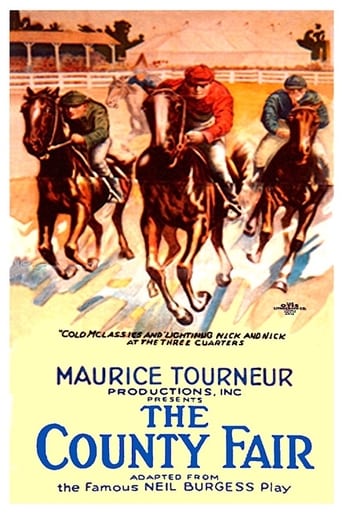
As an actor, Barry is best known for his roles in silent films including 'Amarilly of Clothes-Line Alley' (1918), 'The County Fair' (1920), and 'Dinty' (1920). As a director, he was known for films like 'The Bad Man' (1930) and 'The Big Noise' (1936). His work as a child actor in the late 1910s and early 1920s remains his most recognized contribution to cinema.
When was Wesley Barry born and when did he die?
Wesley Barry was born on August 10, 1907, in Los Angeles, California, and died on April 11, 1996, at the age of 88. His life spanned nearly the entire history of Hollywood cinema, from the silent era through the golden age of television.
What awards did Wesley Barry win?
Wesley Barry received a star on the Hollywood Walk of Fame in 1960, recognizing his contributions to television. While he didn't receive major industry awards like Academy Awards, his star on Hollywood Boulevard stands as a permanent recognition of his significant contributions to the entertainment industry over five decades.
What was Wesley Barry's acting and directing style?
As a child actor, Barry was known for his naturalistic and expressive performances that avoided the melodrama common in silent films. His curly hair and expressive eyes made him particularly effective at conveying emotion. As a director, he specialized in efficient, straightforward productions, particularly in B-movies and television, known for completing projects quickly and within budget while maintaining professional quality.
Learn More
Films
4 films