Keys: Space play/pause · ←/→ 10s · F fullscreen · M mute · </> speed
Plot
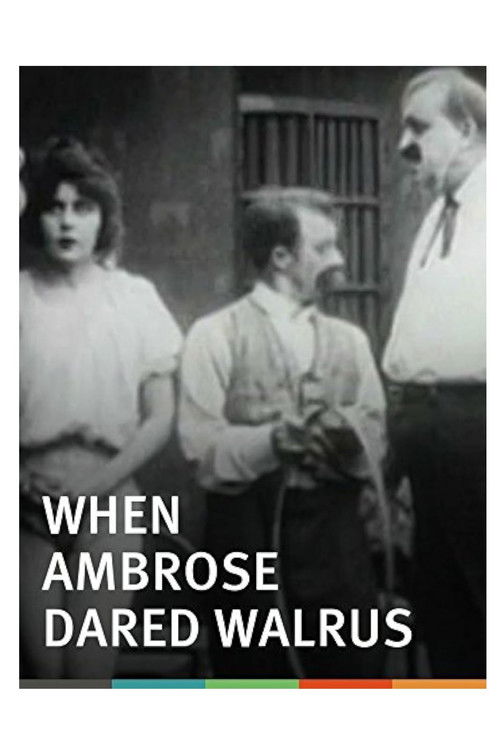
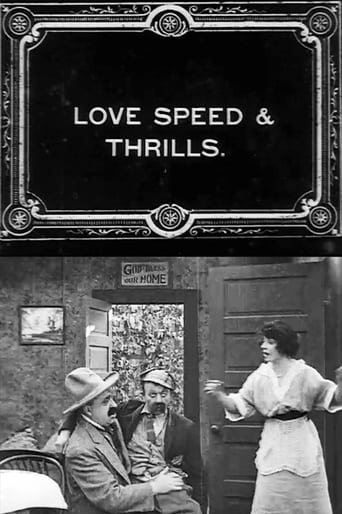
Walrus and his wife operate the Walrus Hotel, where the acrobatic performers Mr. and Mrs. Ambrose are staying as guests. When Walrus receives an urgent letter from his insurance broker Mr. Cinder demanding immediate payment, he finds himself short on cash and schemes to collect money from his tenants. Ambrose and his wife are engaged in a heated domestic dispute when Walrus interrupts to demand rent, further escalating the tension. Later, Mr. Cinder visits the hotel personally and carelessly discards his cigarette into a trash can before departing. Shortly after, the hotel erupts in flames, triggering a frantic five-minute race against time as the characters scramble to pay the insurance premium before the building burns to the ground.
About the Production
Release Date March 1915
Production Keystone Film Company
Filmed In Los Angeles, California, Keystone Studios
This was one of the many short comedies produced during Keystone's peak years under Mack Sennett's leadership. The film was likely shot quickly in one or two days, as was typical for Keystone productions of this era. The fire sequence would have been a major production challenge, requiring careful coordination of special effects for the period.








Themes & Topics
Historical Background
1915 was a pivotal year in American cinema, marking the transition from short films to feature-length productions. D.W. Griffith's 'The Birth of a Nation' had premiered in February 1915, revolutionizing the industry and demonstrating the commercial potential of longer films. Despite this shift, studios like Keystone continued to churn out short comedies at an incredible pace, as audiences still craved the quick, accessible entertainment these films provided. The film was made during World War I, though the United States had not yet entered the conflict. This period saw the consolidation of the Hollywood studio system and the establishment of California as the center of American film production.
Why This Film Matters
While not a groundbreaking work, 'When Ambrose Dared Walrus' represents the Keystone style of comedy that would influence generations of filmmakers. The film exemplifies the escalation from domestic comedy to physical chaos that became a staple of American comedy. Mack Swain's Ambrose character contributed to the development of the comic archetype of the bumbling but good-hearted everyman. The film's structure of building tension through domestic disputes before erupting into physical comedy would become a template for countless later comedies. As part of the Keystone output, it helped establish the fast-paced, gag-driven comedy style that would define American film comedy for decades.
Making Of
The production of 'When Ambrose Dared Walrus' followed the typical Keystone Studios model of rapid-fire comedy production. Walter Wright, as director, would have worked with a small crew and minimal script, relying heavily on the improvisational skills of his cast. Mack Swain, already established as a Keystone star, would have brought his established Ambrose character to the set. The fire sequence would have been the most technically challenging aspect of the production, requiring careful planning to ensure safety while creating convincing effects. Like most Keystone productions, the film was likely shot in sequence with minimal retakes, emphasizing spontaneous comedy over polished performances.
What Critics Said
Contemporary reviews of this specific film are scarce, as most trade publications of the era focused on feature films rather than shorts. However, Keystone comedies of this period were generally well-received by audiences and critics alike for their energetic pace and slapstick humor. The Motion Picture News, a trade publication of the era, typically praised Keystone productions for their entertainment value. Modern film historians view these shorts as important artifacts of early American comedy, though individual films like this one are rarely analyzed in depth.
Did You Know?
- This film is part of the 'Ambrose' series of shorts starring Mack Swain as the character Ambrose, which were popular at Keystone Studios
- Mack Swain and Chester Conklin were both regular members of the Keystone stock company, appearing in numerous films together
- Director Walter Wright was one of the lesser-known but prolific directors at Keystone, often directing comedy shorts
- The film was released during the peak of Keystone's production output in 1915, when they were releasing multiple films per week
- The Walrus character was one of the recurring personas in Keystone comedies, often played by various actors
- Fire scenes in silent films were particularly dangerous to shoot, requiring real fire effects and stunt coordination
- This film represents the typical Keystone formula of domestic comedy escalating into physical chaos
- The insurance subplot reflects common anxieties of the era regarding property and financial security
- Vivian Edwards was one of the few women who regularly appeared in Keystone comedies, often playing the wife or girlfriend character
More film details Visual style, music, quotes, restoration, and more
Visual Style
The cinematography would have been typical of Keystone productions in 1915 - static cameras with occasional pans to follow action. The film would have been shot on 35mm film with hand-cranked cameras, allowing for variable speeds during filming. The fire sequence would have required special lighting effects and possibly multiple exposures to create convincing flames. The interior hotel scenes would have been shot on studio sets with bright, flat lighting typical of the era to ensure maximum visibility for the audience.
Innovations
While not technically innovative, the film demonstrates the efficient production methods developed by Keystone Studios. The fire sequence would have required careful coordination of special effects using available technology of the period, likely involving real fire on set with safety precautions. The film's editing, while simple by modern standards, would have employed the rapid cutting techniques that Keystone helped popularize to enhance comedic timing.
Music
As a silent film, 'When Ambrose Dared Walrus' would have been accompanied by live music during theatrical exhibition. The typical accompaniment would have been a pianist or small orchestra performing popular songs of the era along with improvised or pre-composed cue sheets. The music would have been upbeat during comedy scenes and dramatic during the fire sequence. No original score was composed specifically for this film, as was standard practice for shorts of this period.
Famous Quotes
As a silent film, there are no recorded dialogue quotes, but the title cards would have included typical Keystone-style intertitles conveying the characters' emotions and plot developments
Memorable Scenes
- The climactic five-minute fire sequence where characters race through the burning hotel trying to pay the insurance premium, representing the peak of physical comedy and suspense in the film
What Audiences Thought
Audiences in 1915 would have received this film as part of a typical theater program, likely shown alongside newsreels, another comedy short, and perhaps a feature film. Keystone comedies were extremely popular with working-class audiences who appreciated their simple humor and relatable domestic situations. The fast pace and physical comedy would have been particularly appealing to immigrant audiences who might struggle with more complex narratives. The film's blend of domestic squabbling and disaster comedy would have resonated with contemporary audiences' experiences and anxieties.
Film Connections
Influenced By
- Keystone comedy style
- Mack Sennett's production methods
- French comedy traditions
- Vaudeville performance styles
This Film Influenced
- Later Keystone comedies
- Hal Roach comedy shorts
- Three Stooges shorts
- Laurel and Hardy films
Film Restoration
The preservation status of 'When Ambrose Dared Walrus' is uncertain. Like many Keystone shorts from this period, it may be lost or exist only in fragmentary form. The Library of Congress and various film archives hold collections of Keystone films, but individual titles from this prolific period are often missing. Some Keystone shorts have been discovered and restored in recent years, so the film may survive in private collections or archives yet to be properly cataloged.
Where to Watch
- Due to its age and uncertain preservation status, this film is not commercially available. It may occasionally appear in silent film festival programs or specialized archival screenings. Film archives such as the Library of Congress, UCLA Film & Television Archive, or the Museum of Modern Art's film department may hold copies if the film survives. Some public domain collections of early cinema might include it if prints exist.