

Keys: Space play/pause · ←/→ 10s · F fullscreen · M mute · </> speed
Plot
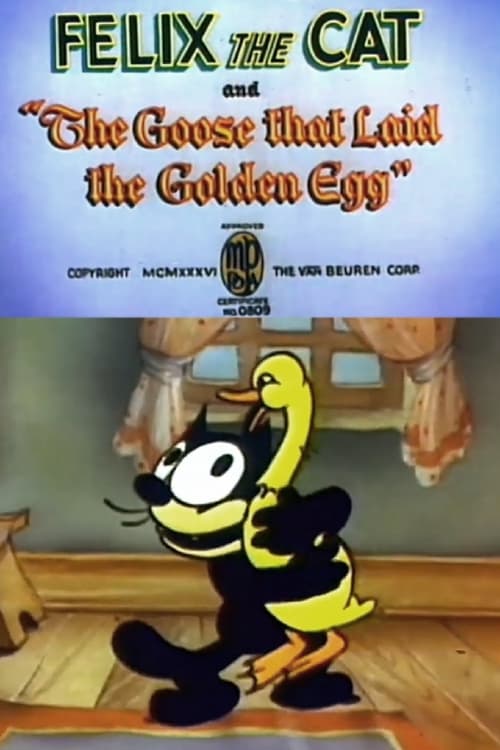
In this 1936 Felix the Cat adventure, Felix has discovered a magical goose named Goldie that lays golden eggs, allowing him to distribute wealth to the needy during difficult economic times. The notorious pirate Captain Kidd learns of this remarkable goose and breaks into Felix's home to steal it, bringing Goldie aboard his pirate ship. When Felix arrives too late to stop the ship from departing, he discovers that Goldie refuses to lay eggs for the pirates. Using his quick thinking, Felix transforms himself into a human cannonball to pursue the ship, where he teams up with Goldie and another cannon to subdue the pirate crew, wrapping them in sails and imprisoning them in the hold. After an intense swordfight with Captain Kidd where their swords mysteriously melt together, Felix outsmarts the pirate by leading him up the mast, where Kidd foolishly cuts his own support and falls into the hold. Felix sails home triumphantly, using the ship's cannon to shower the community with gold coins.
Director
Tom PalmerCast
About the Production
Release Date March 27, 1936
Box Office Unknown (individual cartoon box office figures were not typically tracked during this era)
Production Van Beuren Studios, RKO Radio Pictures (distributor)
Filmed In Van Beuren Studios, New York City (animation production)
This cartoon was produced during Van Beuren Studios' final years of operation, using their limited animation techniques to keep costs down. The studio employed a smaller team of animators compared to major competitors like Disney or Fleischer, resulting in more economical animation cycles and simpler character movements. Walter Tetley provided the voice work for Felix, bringing the character into the sound era with his distinctive high-pitched voice. The production utilized the then-standard 35mm film format and was created using traditional cel animation techniques.
More Animation Films
View all →


More from Tom Palmer
View all →
Themes & Topics
Felix the Catgolden goosepiratesCaptain Kiddmagiccannonsword fighttreasuretransformationadventure
Historical Background
Produced in 1936, this cartoon emerged during the height of the Great Depression, a time when audiences sought escapist entertainment and fantasies of wealth. The animation industry was in a transitional period, with sound technology now standard but color animation still expensive and rare. Van Beuren Studios was one of several smaller animation companies trying to compete with industry giants Disney and Fleischer Studios. Felix the Cat, once the most popular animated character in the world, was experiencing declining popularity by this time, having lost his position to newer characters like Mickey Mouse. The cartoon's themes of sudden wealth and redistribution of resources resonated strongly with Depression-era audiences struggling with economic hardship. The pirate adventure genre was also popular during this period, as it provided exotic settings and clear moral conflicts that appealed to moviegoers seeking simple entertainment.
Why This Film Matters
This cartoon represents an important transitional period in animation history, showcasing the evolution of Felix the Cat from silent film stardom to sound cartoons. While not as technically sophisticated as Disney's work, it demonstrates how smaller studios adapted to the changing demands of the animation industry. The golden egg motif taps into universal folklore themes while reflecting contemporary economic anxieties. As one of the last Van Beuren Studios productions, it marks the end of an era for independent animation studios that couldn't compete with the major players. The cartoon also illustrates how animated characters were used to address social issues, even subtly, through the framework of entertainment. Felix's distribution of golden eggs to the needy can be seen as a commentary on wealth inequality during the Depression years.
Making Of
The production of this cartoon took place during a challenging period for Van Beuren Studios, which was struggling to compete with larger animation studios. Director Tom Palmer, who had previously worked at Disney and Fleischer Studios, brought his experience to the Van Beuren productions. The animation team worked under tight deadlines and budget constraints, often having to create multiple cartoons per month. The voice recording sessions for Walter Tetley were done quickly, as sound recording technology was still evolving and studio time was expensive. The pirate ship and Captain Kidd designs were based on standard cartoon archetypes of the era, allowing animators to work efficiently with familiar visual templates. The golden egg effects were created using special cel techniques with metallic paints to give them a shimmering appearance.
What Critics Said
Contemporary critical reception for Van Beuren cartoons was generally mixed, with reviewers often noting the technical limitations compared to Disney productions. The Motion Picture Herald occasionally mentioned Felix cartoons in their short subject reviews, typically describing them as adequate but not exceptional. Modern animation historians view these later Felix cartoons as historically significant but artistically limited, representing the character's decline in popularity and quality. The cartoon's pacing and gags were considered standard for the era, though some critics noted the creative use of Felix's magical powers. Animation scholar Jerry Beck has referenced this period as marking the end of Felix's golden age, before the character's eventual revival in later decades.
Did You Know?
- This was one of the last Felix the Cat cartoons produced by Van Beuren Studios before they ceased operations in 1936
- The character of Captain Kidd had previously appeared in other Felix cartoons, becoming a recurring antagonist
- Walter Tetley, who voiced Felix, was only 16 years old when he worked on this cartoon and would later become famous for his radio work
- The golden egg theme was particularly relevant during the Great Depression, when audiences enjoyed fantasies of sudden wealth
- Van Beuren Studios never achieved the same animation quality as Disney, often reusing animation cycles to save money
- This cartoon features one of the few instances where Felix uses his magical powers extensively, transforming into a cannonball
- The melting swords sequence was a creative way to avoid animating a complex sword fight while maintaining visual interest
- Felix the Cat was the first animated character to achieve massive merchandising success, though his popularity had declined by 1936
- The pirate ship design was reused from previous Van Beuren cartoons featuring nautical themes
- This cartoon was part of a package deal sold to theaters along with other short subjects and feature films
More film details Visual style, music, quotes, restoration, and more
Visual Style
The animation utilized standard black and white 35mm film format with typical cel animation techniques of the mid-1930s. The visual style employed limited animation cycles, particularly for background characters and repetitive actions, to conserve production resources. The golden eggs were highlighted using special cel painting techniques to create a shimmering effect that would stand out in the monochrome presentation. The pirate ship scenes featured multiplane-like effects to create depth, though not as sophisticated as Disney's multiplane camera system. Action sequences used exaggerated squash and stretch techniques common to the era, particularly during the cannonball transformation and sword fight scenes. The character designs maintained the classic Felix silhouette while adapting to the smoother movement required for sound animation.
Innovations
While not groundbreaking in technical innovation, the cartoon demonstrated competent use of then-standard animation techniques. The transformation sequence where Felix becomes a cannonball showcased creative use of metamorphosis animation, a technique that required careful planning of in-between frames. The melting swords effect was achieved through innovative cel painting and exposure techniques to create the illusion of metal liquefying. The production team managed to create the illusion of flight and movement despite budget constraints through creative camera angles and character positioning. The synchronization of sound with animation was handled professionally, representing the studio's adaptation to the talkie era. The golden egg effects demonstrated the studio's ability to create magical elements using limited resources.
Music
The cartoon featured a typical musical score for the era, with synchronized sound effects and musical accompaniment. The soundtrack was created using standard studio orchestration of the period, likely recorded at Van Beuren's New York facilities. Walter Tetley's voice work for Felix included dialogue and vocal expressions, though the cartoon still relied heavily on visual gags and musical cues. Sound effects were created using standard cartoon techniques of the time, including slide whistles for movement, percussion impacts for collisions, and creative Foley work for the magical elements. The music would have followed the dramatic conventions of the period, with swashbuckling themes during pirate sequences and lighter, whimsical melodies for Felix's appearances.
Famous Quotes
Felix's various exclamations during his adventures
Captain Kidd's pirate threats
Felix's announcement about distributing golden eggs to those in need
Memorable Scenes
- Felix transforming into a human cannonball to pursue the pirate ship
- The sword fight where the weapons mysteriously melt together
- Captain Kidd cutting his own support on the mast and falling into the hold
- The final scene of Felix firing gold coins from the cannon to the crowd below
- The golden goose refusing to lay eggs for the pirates
What Audiences Thought
Audience reception in 1936 was generally positive for cartoon shorts as a whole, which served as popular entertainment before feature films. Felix the Cat still had name recognition among older audiences who remembered his silent film popularity, though children were increasingly drawn to newer characters. The pirate adventure theme and magical elements likely appealed to family audiences seeking lighthearted entertainment during difficult economic times. Theater exhibitors reported that cartoon shorts were reliable crowd-pleasers, though specific audience reactions to individual Van Beuren productions were not systematically documented. The golden egg fantasy would have resonated particularly well with Depression-era audiences dreaming of financial security.
Film Connections
Influenced By
- Classic pirate literature
- Aesop's Fables (The Goose That Laid the Golden Eggs)
- Previous Felix the Cat cartoons
- Swashbuckling films of the 1930s
- Silent era cartoon comedy
This Film Influenced
- Later Felix the Cat revivals
- Cartoon pirate tropes in later animation
- Van Beuren's subsequent cartoon productions
Film Restoration
The film exists in archives and has been preserved through various animation collections. Some copies may show signs of age due to the nitrate film stock used in the 1930s. The cartoon has been included in various Felix the Cat compilation releases and is accessible through animation archives and specialty distributors.
Where to Watch
- Animation archives and specialty film collections
- Some public domain animation websites
- Felix the Cat DVD compilations
- Classic cartoon streaming services specializing in public domain content