Keys: Space play/pause · ←/→ 10s · F fullscreen · M mute · </> speed
Plot
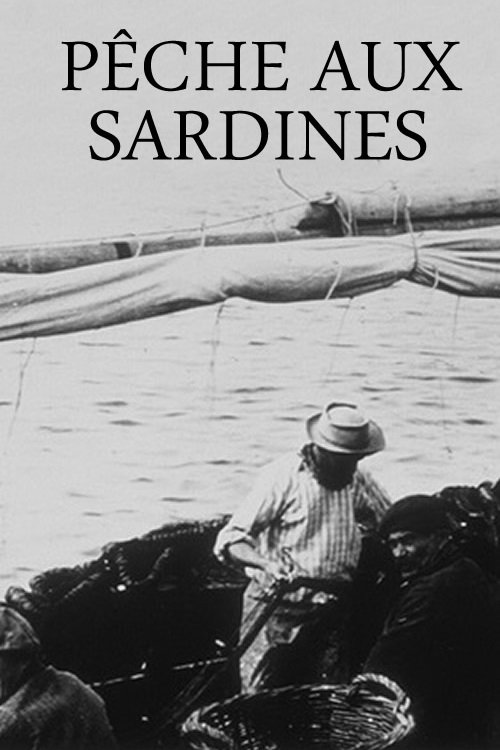
This short documentary captures fishermen returning from their work at sea aboard a small fishing boat. The men work together to haul in their nets, which are filled with freshly caught sardines. The camera observes as the fishermen carefully extract the silvery fish from the mesh nets, their movements deliberate and practiced from years of experience. The scene provides an authentic glimpse into the daily labor and maritime traditions of late 19th-century French coastal life. The film concludes with the boat presumably heading back to shore with the day's catch secured.
Director
 Louis Lumière
About the Production
Release Date 1896
Production Société Lumière
Filmed In Marseille, France, French Mediterranean Coast
Filmed using the Lumière Cinématographe, which was both a camera and projector. The film was shot on location with natural lighting, requiring the camera to be positioned on a stable platform either on shore or another boat. The fishermen were actual local workers, not actors, demonstrating the Lumière brothers' commitment to documenting real life rather than staging artificial scenes.








Themes & Topics
Historical Background
This film was created during the birth of cinema, just one year after the Lumière brothers invented the Cinématographe in 1895. The late 19th century was a period of rapid industrialization and technological innovation, with photography and motion pictures emerging as new ways to document and understand the world. France was at the forefront of this cinematic revolution, with the Lumière brothers establishing the first film studio and organizing the first public film screenings. The film also captures a traditional way of life that was beginning to change due to industrialization, making it historically valuable as a document of pre-modern fishing practices.
Why This Film Matters
As one of the earliest documentary films, 'Sardine Fishing' helped establish the fundamental language of cinema and demonstrated the medium's power to capture and preserve everyday reality. The film represents the Lumière brothers' influential philosophy that cinema should document life rather than create fantasies, a perspective that would later influence documentary filmmaking and Italian neorealism. This short film also serves as an invaluable historical document of 19th-century maritime culture and labor practices. It exemplifies how cinema emerged not just as entertainment but as a tool for anthropological and sociological documentation, preserving ways of life that might otherwise have been lost to history.
Making Of
Louis Lumière personally operated the Cinématographe to capture this footage, likely positioning himself on a pier or adjacent boat to get the optimal angle. The fishermen were going about their normal work routine, unaware they were making cinematic history. The filming required careful timing to capture the most visually interesting moment of the fishing process - the hauling in of the nets. The natural sea conditions and lighting presented challenges, as the early camera equipment was bulky and required careful handling. The Lumière brothers believed in capturing authentic moments rather than directing scenes, so this footage represents an unscripted glimpse into maritime life of the era.
What Critics Said
Contemporary viewers and critics were amazed by the lifelike quality of the moving images, with many reports describing audiences' disbelief and excitement at seeing real people in motion on screen. Early film enthusiasts praised the Lumière films for their authenticity and technical achievement. Modern film historians and critics recognize 'Sardine Fishing' as a pioneering work in documentary cinema, noting its importance in establishing the genre and its value as historical documentation. The film is frequently cited in academic studies of early cinema as an example of the Lumière aesthetic and the birth of non-fiction filmmaking.
Did You Know?
- One of the earliest documentary films ever made, capturing actual working conditions of fishermen in the 1890s
- Part of the Lumière brothers' series of 'actualité' films that documented everyday life
- The film was likely shot in Marseille or along the French Mediterranean coast where sardine fishing was common
- This film was included in the Lumière brothers' first public film screening on December 28, 1895
- The Cinématographe camera used to film this could only hold about 50 feet of film, limiting the runtime to under a minute
- Unlike many early films that were staged, this appears to be genuine footage of fishermen at work
- The film demonstrates the Lumière philosophy of capturing 'life itself' rather than creating theatrical productions
- Sardine fishing was a major industry in southern France during this period, making this an economically significant subject
- The film was hand-cranked, meaning the speed could vary depending on the operator's consistency
- This film was distributed internationally as part of the Lumière catalog, helping establish cinema as a global medium
More film details Visual style, music, quotes, restoration, and more
Visual Style
The film was shot using the Lumière Cinématographe with a fixed camera position, typical of early cinema. The composition features a medium shot that captures the entire boat and the fishermen's movements. Natural daylight illuminates the scene, creating authentic shadows and highlights on the water and the fishermen. The camera's perspective provides a clear view of the fishing process while maintaining a respectful distance from the workers. The framing demonstrates early understanding of visual storytelling, with the boat positioned to show both the fishermen and their activity. The black and white cinematography creates strong contrasts that emphasize the texture of the nets and the silvery appearance of the fish.
Memorable Scenes
- The moment when the fishermen collectively haul the net from the water, revealing the silvery catch of sardines glistening in the sunlight - a perfect example of the Lumière brothers' ability to capture a complete, meaningful action in a single continuous shot.
What Audiences Thought
Audiences in 1896 were reportedly fascinated by the film's realistic depiction of everyday life, with many describing it as 'living photography.' Viewers were particularly captivated by the novelty of seeing actual working people captured in motion, as opposed to staged theatrical performances. The film was part of traveling exhibitions that amazed audiences worldwide, who had never before seen moving images of real life. Contemporary accounts suggest that viewers were impressed by the clarity and realism of the footage, even by today's standards. The simple, direct subject matter made it accessible and engaging to audiences of all backgrounds and nationalities.
Film Connections
Influenced By
- Photography of everyday life by Eadweard Muybridge
- French realist painting traditions
- Documentary photography of the 19th century
This Film Influenced
- Other Lumière actualité films
- Early documentary cinema
- Ethnographic films
- Italian neorealist films
- Direct cinema movement
Film Restoration
Preserved by the Institut Lumière in Lyon, France. The film has been digitally restored and is part of the Lumière collection that has been carefully maintained for over a century. Multiple copies exist in film archives worldwide, including the Cinémathèque Française and the Museum of Modern Art's film collection.
Where to Watch
- YouTube (official Institut Lumière channel)
- Criterion Collection releases
- Kino Lorber DVD compilations of early cinema
- Museum of Modern Art film screenings
- Cinémathèque Française archives
- British Film Institute collection